

40GP FCL Sailing Schedule: Electronics China to Europe
Shipping electronics from China to Europe can be a complex endeavor, especially when managing the 40GP FCL sailing schedule for electronics from China to Europe. Businesses frequently face challenges like fluctuating freight rates, unpredictable transit times, and intricate customs procedures. At China Top Freight, we understand these pain points and offer tailored solutions to ensure your high-value cargo arrives efficiently and securely. This guide will help you navigate the complexities of FCL shipping, providing insights into optimizing your logistics strategy.
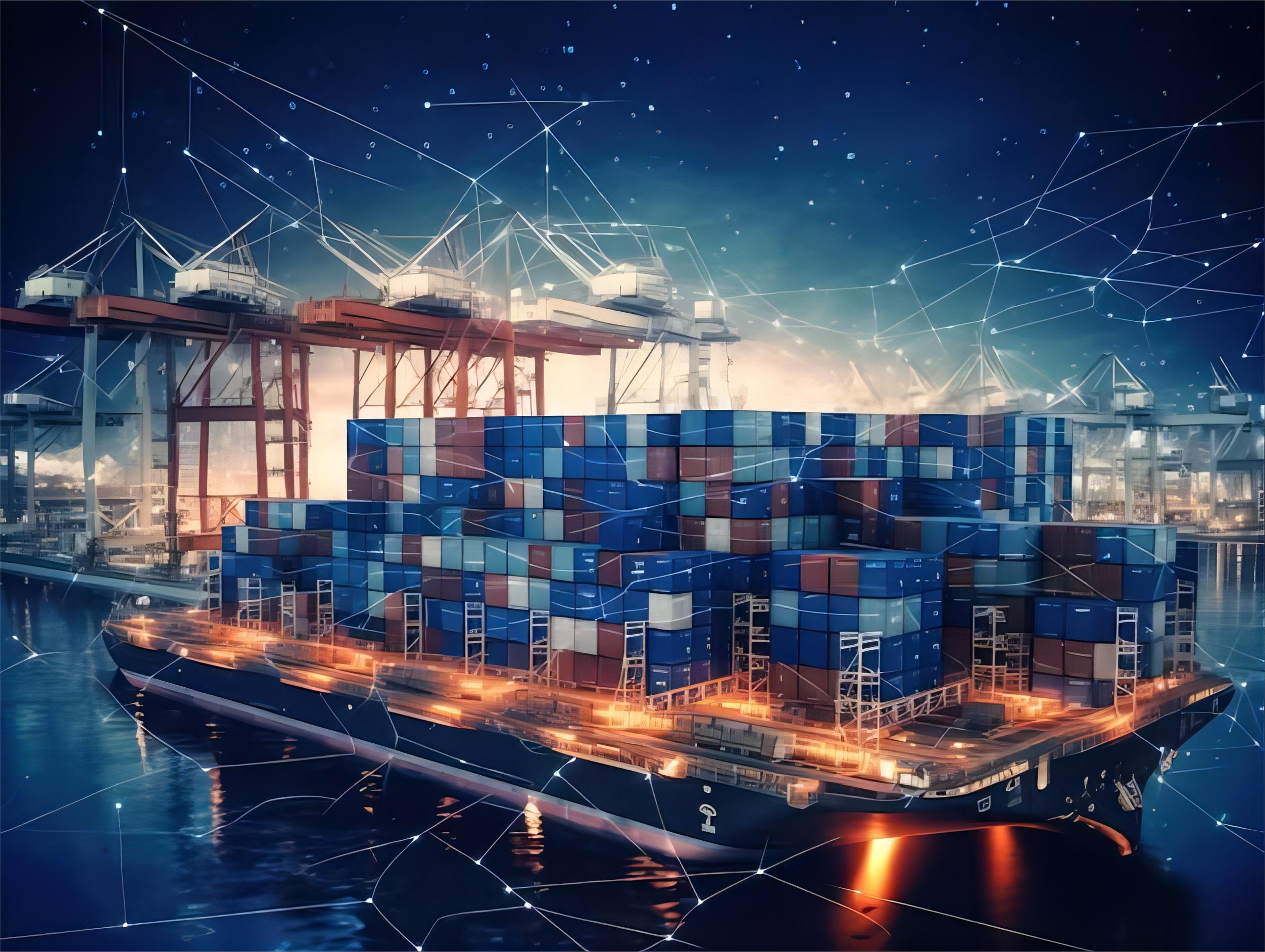
Understanding 40GP FCL Shipping for Electronics
Securing efficient logistics for electronics is paramount in today’s global market. Therefore, understanding the nuances of 40GP FCL sailing schedule for electronics from China to Europe is crucial for businesses. This section delves into why Full Container Load (FCL) shipping, specifically using 40GP containers, is often the preferred method for high-volume electronics.
What is a 40GP FCL Container?
A 40GP (General Purpose) FCL container is a standard 40-foot shipping container, typically measuring 40′ L x 8′ W x 8’6″ H. Consequently, it offers approximately 67.7 cubic meters (CBM) of usable space. This size is ideal for consolidating large quantities of goods, such as consumer electronics, industrial components, or IT equipment, ensuring your products are transported securely and exclusively.
Why Choose FCL for Electronics?
Choosing FCL provides several distinct advantages for electronics shipments. Firstly, it offers enhanced security since your cargo is the sole occupant of the container, minimizing handling risks and potential damage. Furthermore, FCL shipping often results in faster transit times compared to LCL (Less than Container Load), as there are no delays for consolidation or deconsolidation at various ports. Moreover, for high-value items like electronics, the dedicated space reduces the risk of contamination or theft.
Key Factors Influencing Your 40GP FCL Sailing Schedule
Effectively managing your 40GP FCL sailing schedule for electronics from China to Europe requires a deep understanding of various influencing factors. These elements can significantly impact transit times, costs, and overall supply chain predictability. Therefore, proactive planning and informed decision-making are essential for successful logistics.
Carrier Selection and Vessel Capacity
Selecting the right shipping carrier is a critical decision. Different carriers offer varying service levels, routes, and vessel capacities. Consequently, researching their reliability, schedule frequency, and port coverage is vital. During peak seasons, vessel space can become limited, potentially leading to rolled cargo and delays, thus affecting your delivery schedule.
Port Congestion and Transit Time
Port congestion at both origin (China) and destination (Europe) can introduce significant delays. Moreover, unexpected events like labor disputes, weather conditions, or customs backlogs can severely impact the estimated transit time. Understanding typical congestion patterns for major ports like Shanghai, Ningbo, Rotterdam, or Hamburg is therefore beneficial for planning.
Seasonal Demand and Peak Seasons
Shipping rates and available capacity are heavily influenced by seasonal demand. For instance, the period before Chinese New Year, Golden Week, and the Q3-Q4 holiday shopping season often sees a surge in shipping volumes. Consequently, booking well in advance during these peak seasons is crucial to secure space and avoid inflated freight rates and extended 40GP FCL sailing schedules.
Optimizing Your 40GP FCL Sailing Schedule for Electronics
Optimizing your 40GP FCL sailing schedule for electronics from China to Europe involves strategic planning and leveraging expert knowledge. Implementing effective strategies can significantly reduce costs, minimize delays, and enhance the reliability of your supply chain. Ultimately, a streamlined process ensures your electronics reach their European destinations on time.
Strategic Booking and Planning
Early booking is one of the most effective strategies to secure preferential rates and guaranteed vessel space. Furthermore, understanding your production lead times and aligning them with carrier schedules allows for seamless transitions. Consider flexible shipping dates if possible, as off-peak departures can sometimes offer better rates and less congested routes.
Choosing the Right Route and Port
The choice of port in China (e.g., Shenzhen, Shanghai, Ningbo) and Europe (e.g., Rotterdam, Hamburg, Felixstowe) can impact both transit time and cost. Direct routes often provide faster transit but may be more expensive. In contrast, routes with transshipment, while potentially longer, might offer cost savings. Consulting with a freight forwarder can help identify the most efficient route for your specific electronics cargo.
Leveraging Technology for Visibility
Modern logistics increasingly relies on technology for real-time tracking and enhanced visibility. Utilizing platforms that provide live updates on vessel positions and estimated arrival times allows for proactive management of your inventory. This transparency helps mitigate risks and keeps stakeholders informed about the status of their electronics shipments.
Customs Clearance and Documentation for Electronics Shipments
Navigating customs procedures is a critical, yet often complex, part of shipping electronics from China to Europe. Proper documentation and adherence to regulations are essential to avoid delays and penalties. Therefore, engaging expert customs brokerage services is highly recommended for a smooth import process.
| Document | Purpose | Key Information |
|---|---|---|
| Commercial Invoice | Valuation for customs duties and taxes | Detailed description of goods, quantity, unit price, total value, Incoterms |
| Packing List | Details of cargo contents and packaging | Number of packages, weight, dimensions, contents of each package |
| Bill of Lading (B/L) | Contract of carriage, title to goods | Shipper, consignee, notify party, vessel details, port of loading/discharge |
| Certificate of Origin | Confirms country of manufacture | Used for preferential duty rates or trade agreements |
| CE Mark Declaration | Manufacturer’s declaration of conformity | Mandatory for most electronics sold in the EU, indicating compliance with safety standards |
| Import License (if applicable) | Permission to import restricted goods | Required for certain specialized electronics or high-tech equipment |
Essential Documents Checklist
Preparing a comprehensive set of documents is non-negotiable for international electronics shipping. Consequently, any missing or incorrect paperwork can lead to significant delays and storage charges. This checklist outlines the key documents typically required for importing electronics into Europe.
Navigating EU Import Regulations
The European Union has stringent regulations for electronics, including WEEE (Waste Electrical and Electronic Equipment) and RoHS (Restriction of Hazardous Substances) directives. Moreover, compliance with REACH (Registration, Evaluation, Authorisation and Restriction of Chemicals) is also mandatory. Consequently, ensuring your electronics meet these standards before shipment is vital to prevent customs rejections or costly re-exportation. A proficient freight forwarder can guide you through these intricate requirements.
How Does 40GP FCL Sailing Compare to Other Shipping Options?
When planning to ship electronics, understanding the various logistics options is crucial. While a 40GP FCL sailing schedule for electronics from China to Europe is often ideal, alternative methods offer different trade-offs in terms of cost, speed, and suitability. Evaluating these alternatives helps optimize your supply chain strategy.
| Shipping Method | Cost Range (40GP equivalent) | Transit Time (China-Europe) | Best For | Limitations | |
|---|---|---|---|---|---|
| Sea Freight (FCL) | $2,800-4,200 | 28-38 days | Large volume, non-urgent, cost-sensitive electronics | Slowest transit, port congestion risk | |
| Sea Freight (LCL) | $50-80/CBM (volume dependent) | 35-45 days | 35-45 days | Small volume, cost-sensitive, flexible delivery | Longer transit, higher handling risk, consolidation delays |
| Air Freight | $15,000-25,000 (for similar volume) | 5-8 days | Urgent, high-value, smaller electronics batches | Highest cost, volume/weight restrictions, environmental impact | |
| Rail Freight | $8,000-12,000 | 15-22 days | Mid-volume, moderately urgent, landlocked destinations | Limited routes, capacity constraints, potential transshipment at borders |
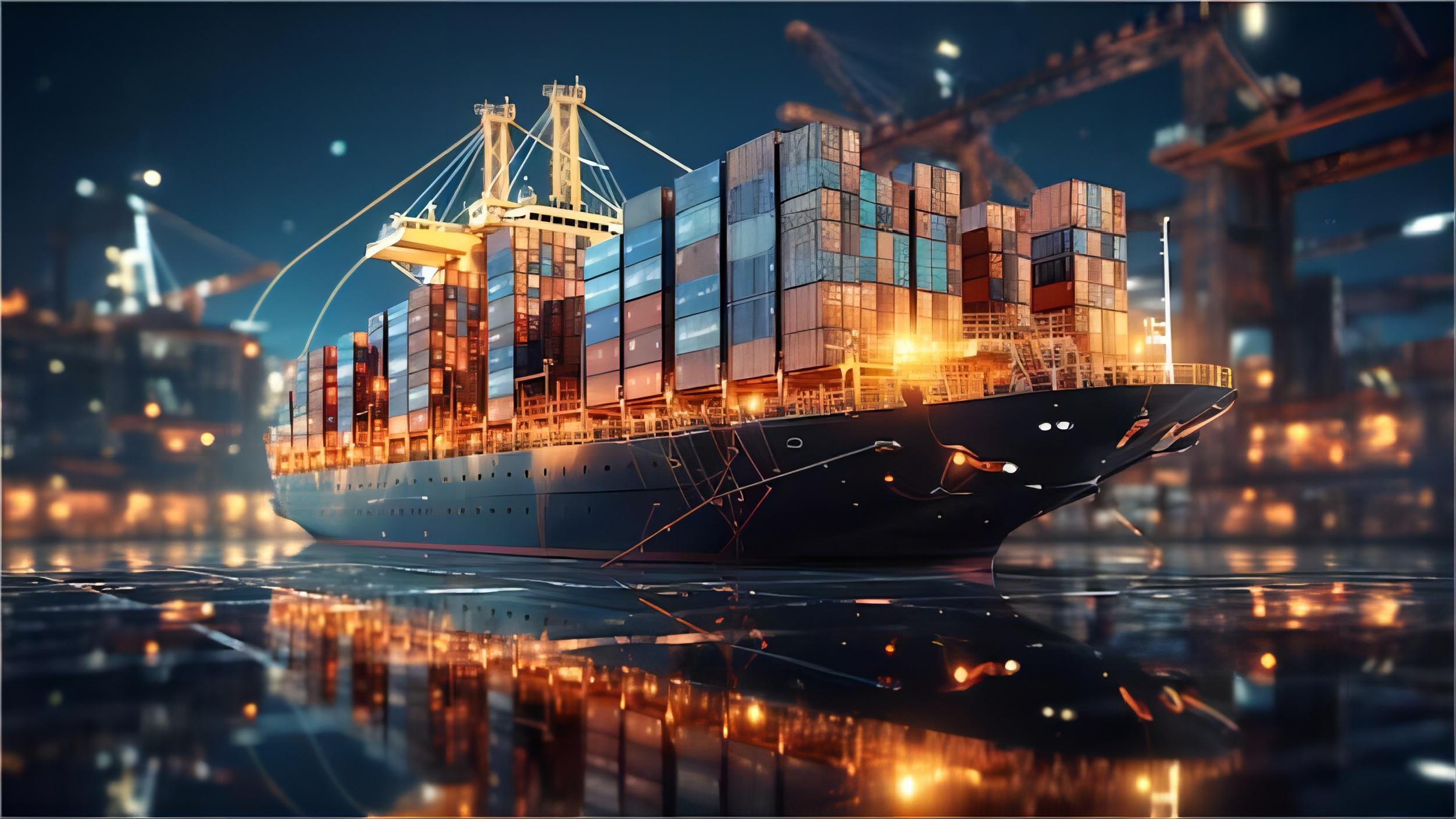
Sea Freight (FCL vs. LCL)
Choosing between FCL and LCL sea freight depends primarily on your cargo volume and urgency. FCL, as discussed, provides dedicated container space, which is generally more cost-effective for larger shipments (typically over 15-20 CBM) and offers better security. Conversely, LCL involves sharing container space, which can be economical for smaller volumes but often entails longer transit times due to consolidation processes.
Air Freight for Urgent Shipments
For highly time-sensitive electronics or smaller, high-value components, air freight offers unparalleled speed. While significantly more expensive than sea freight, it can reduce transit times from weeks to mere days. Consequently, businesses needing to quickly restock or launch new products often opt for air cargo despite the higher shipping costs.
Rail Freight Considerations
Rail freight presents a viable middle-ground option for shipping from China to Europe, offering a balance between speed and cost. Typically, rail transit times are faster than sea freight but slower than air freight. This method is particularly suitable for electronics that are not extremely urgent but still require quicker delivery than ocean vessels. However, its geographical coverage is more limited compared to sea or air. Consider rail freight for landlocked European destinations.
Real-World Case Studies: Electronics Shipments to Europe
Examining actual scenarios provides valuable insights into the practicalities of managing a 40GP FCL sailing schedule for electronics from China to Europe. These case studies highlight common challenges, effective solutions, and the typical outcomes for businesses importing high-value electronics. They showcase the importance of meticulous planning and reliable logistics partners.
Case Study 1: High-Volume Consumer Electronics
This client, a major electronics retailer, needed to ship a large consignment of consumer electronics for the upcoming holiday season. They prioritized cost-effectiveness and cargo security, making FCL sea freight the optimal choice. The goal was to ensure timely arrival at their central European distribution hub.
| Route: | Shenzhen, China -> Hamburg, Germany |
| Cargo: | Smartphones, tablets, and accessories, 60 CBM, 15,000 kg |
| Container: | 40GP FCL |
| Shipping Details: | |
| – Carrier/Service: | COSCO (direct service) |
| – Port of Loading: | Shenzhen |
| – Port of Discharge: | Hamburg |
| – Route Type: | Direct |
| Cost Breakdown: | |
| – Ocean Freight: | $3,500 (Q3 2024 rate) |
| – Origin Charges (THC, documentation): | $450 |
| – Destination Charges: | $600 |
| – Customs & Duties (estimated): | $2,800 |
| – Total Landed Cost: | $7,350 |
| Timeline: | |
| – Booking to Loading: | 7 days |
| – Sea Transit: | 32 days |
| – Customs Clearance: | 3 days |
| – Total Door-to-Door: | 42 days |
| Key Insight: | Strategic booking during a slightly off-peak window secured favorable rates and direct vessel space, avoiding transshipment delays. Pre-clearance arrangements expedited customs in Hamburg. |
Case Study 2: Time-Sensitive Industrial Components
A manufacturing client required a shipment of specialized industrial electronic components for an urgent production line in Eastern Europe. Speed was the paramount concern, yet cost efficiency was still a consideration for the moderately sized cargo. A combined approach offered the best balance.
| Route: | Shanghai, China -> Warsaw, Poland |
| Cargo: | Circuit boards, sensors, and control units, 25 CBM, 5,000 kg |
| Container: | 40GP FCL (partially loaded, client chose FCL for security) |
| Shipping Details: | |
| – Carrier/Service: | Maersk (sea) + Rail (Europe) |
| – Port of Loading: | Shanghai |
| – Port of Discharge: | Gdańsk (sea), then rail to Warsaw |
| – Route Type: | Multimodal (Sea-Rail) |
| Cost Breakdown: | |
| – Ocean Freight (to Gdansk): | $2,200 (early 2025 rate) |
| – Rail Freight (Gdansk to Warsaw): | $1,500 |
| – Origin Charges: | $380 |
| – Destination Charges: | $520 |
| – Customs & Duties (estimated): | $1,900 |
| – Total Landed Cost: | $6,500 |
| Timeline: | |
| – Booking to Loading: | 5 days |
| – Sea Transit (Shanghai-Gdansk): | 28 days |
| – Rail Transit (Gdansk-Warsaw): | 4 days |
| – Customs Clearance: | 2 days |
| – Total Door-to-Door: | 39 days |
| Key Insight: | Utilizing a multimodal sea-rail solution significantly reduced overall transit time compared to an all-sea route, while remaining more cost-effective than air freight. This hybrid approach optimized both speed and budget for the client. |
Cost-Saving Strategies and Trade-offs for Electronics Shipping
Minimizing shipping expenses without compromising service quality is a constant goal for businesses. For the 40GP FCL sailing schedule for electronics from China to Europe, several strategies can be employed. However, each approach often involves a trade-off between cost, speed, and flexibility.
Negotiating Freight Rates
Establishing long-term relationships with freight forwarders can lead to more favorable freight rates. Additionally, being flexible with your shipping dates and ports of discharge can open up opportunities for better pricing. Regular market analysis also helps in identifying optimal times to book your containers, avoiding peak surcharges.
Consolidation and Optimization
For multiple smaller electronics orders from different suppliers, consolidating them into a single FCL shipment can significantly reduce costs. Furthermore, optimizing container loading by efficient packing maximizes space utilization, thus lowering per-unit shipping expenses. Consider engaging door-to-door services for a streamlined and potentially more cost-effective solution, especially if your volume justifies it.
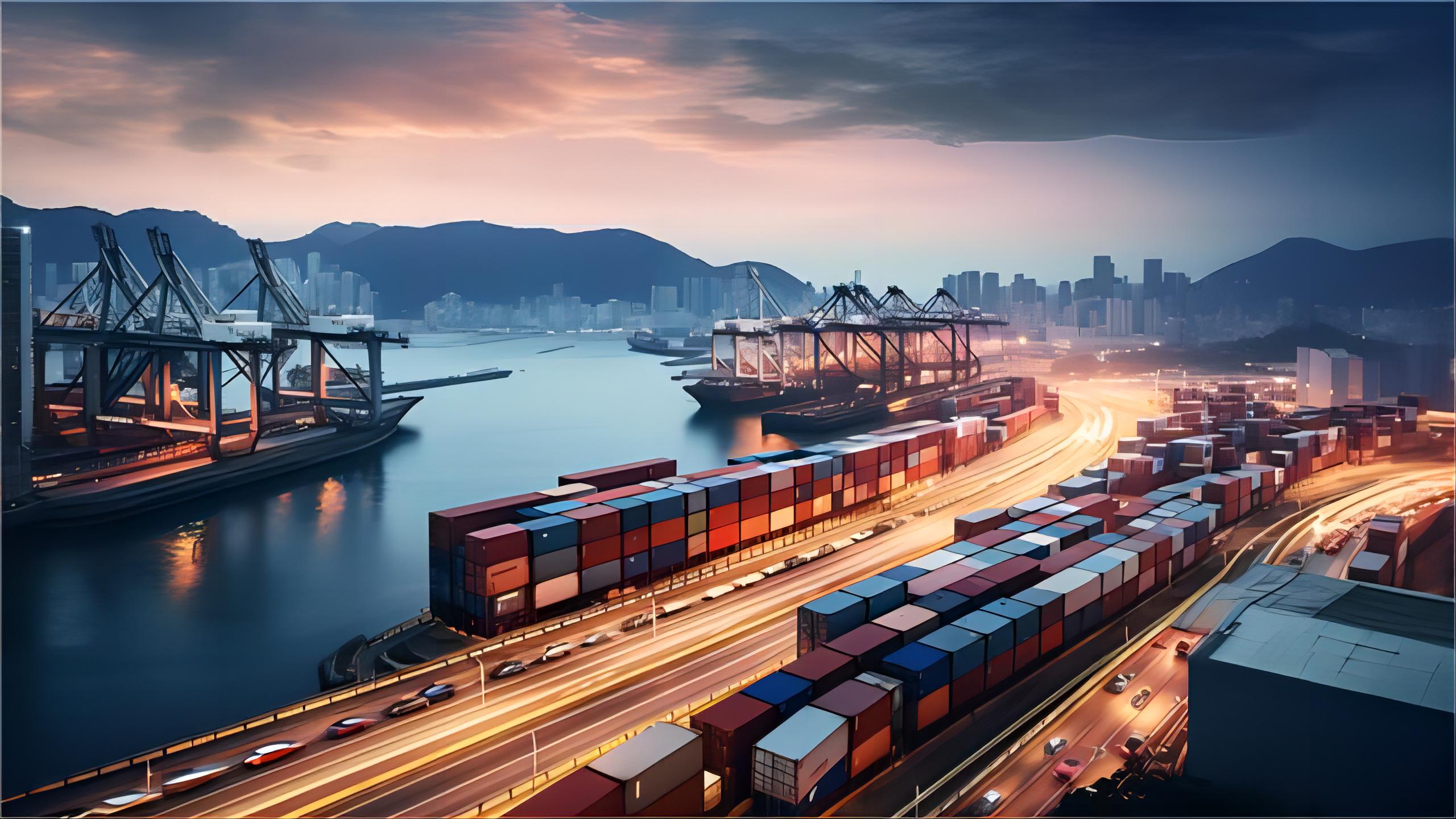
Which Option Should You Choose? A Decision Framework
Deciding on the best shipping method for your electronics from China to Europe requires careful consideration of your specific business needs. This framework helps you assess priorities and select the most suitable logistics solution. Understanding your core requirements is key to making an informed choice.
Budget Priority
If your primary concern is minimizing shipping costs, and you have ample lead time, then FCL sea freight is generally the most economical option. This method is ideal for bulk shipments of consumer electronics where inventory turnover allows for longer transit times. Consequently, planning well in advance can yield significant savings.
Speed Priority
For urgent electronics components, product launches, or critical inventory replenishment, air freight is the undisputed choice for speed. While considerably more expensive, it ensures rapid delivery, often within a week. Furthermore, for very small, high-value, or urgent spare parts, express service can be even faster and more appropriate.
Cargo Type and Volume Considerations
High-value, fragile, or sensitive electronics benefit from the dedicated space and reduced handling of FCL sea freight, which minimizes damage risk. For volumes under 15 CBM, LCL sea freight or rail freight might offer a more cost-effective balance if speed is not paramount. Conversely, larger volumes consistently favor FCL.
Ensuring Cargo Security and Insurance for Electronics
Given the high value and delicate nature of electronics, ensuring their security during transit is paramount. Proactive measures against theft, damage, and environmental factors are crucial for a successful 40GP FCL sailing schedule for electronics from China to Europe. Comprehensive insurance also provides a vital safety net.
Robust Packaging and Container Sealing
Proper packaging is the first line of defense for sensitive electronics. Utilize anti-static materials, shock-absorbing foam, and sturdy cartons. Furthermore, ensure your FCL containers are properly sealed and consider using high-security seals to deter tampering. Documenting the container’s condition at loading and unloading offers additional protection.
Comprehensive Cargo Insurance
Despite best efforts, unforeseen incidents can occur during international shipping. Consequently, comprehensive cargo insurance is indispensable for electronics shipments. It protects against losses due to theft, damage, or accidents. Always review policy details to ensure adequate coverage for the full value of your high-tech products.
Conclusion
Effectively managing the 40GP FCL sailing schedule for electronics from China to Europe requires a strategic approach. By understanding key factors like carrier selection, customs regulations, and alternative shipping methods, businesses can achieve greater efficiency and cost savings. Partnering with an experienced freight forwarder is crucial for navigating these complexities and ensuring your valuable electronics arrive safely and on time.
Start Your Shipment
Ready to optimize your 40GP FCL sailing schedule for electronics from China to Europe? Contact China Top Freight today for a personalized quote and expert guidance on your next shipment. Our team is dedicated to providing reliable, cost-effective, and secure logistics solutions tailored to your specific needs.
Request Quote