

Reefer FCL Space: Textiles from China to Poland
Securing reliable freight forwarding services for textile shipments from China to Poland is crucial for businesses. Specifically, understanding reefer FCL space availability for textiles from China to Poland can be complex. This article explores current market conditions, challenges, and optimal strategies for your import needs. We aim to provide actionable insights to streamline your supply chain.

Understanding Reefer FCL for Textile Shipments
Reefer Full Container Load (FCL) refers to using temperature-controlled containers for shipping goods. While often associated with perishables, certain sensitive textiles may also benefit from a controlled environment. This ensures product integrity throughout the long journey.
Textiles like high-end silks, delicate natural fibers, or those treated with specific dyes can be vulnerable to humidity and temperature fluctuations. Maintaining stable conditions prevents mold, mildew, discoloration, and material degradation. Therefore, specialized handling might be necessary.
Choosing FCL means your goods occupy an entire container, offering greater security and faster transit compared to LCL. This method is ideal for larger volumes, providing dedicated space and reducing handling risks. It ensures your shipment remains untouched until delivery.
Current Reefer FCL Space Availability: China to Poland
The availability of reefer FCL space for textiles from China to Poland is subject to global shipping dynamics. Factors like port congestion, carrier capacity, and seasonal demand significantly impact booking options. Presently, demand remains strong, particularly for European routes.
As of Q1 2025, freight rates from China to Europe have stabilized somewhat after the 2024 Red Sea disruptions. However, capacity management by major carriers continues to influence space allocation. Early booking is therefore highly recommended to secure your preferred slots.
Industry benchmarks suggest that securing reefer containers requires more foresight than standard dry containers. Specialized equipment is less abundant, leading to tighter booking windows. Planning your import/export schedule well in advance is paramount.
Key Factors Influencing Reefer FCL Rates and Transit Times
Several critical elements determine the overall shipping costs and transit time for reefer FCL from China to Poland. These include the chosen shipping method, specific origin and destination ports, and the container size. Understanding these factors is vital for budgeting.
For instance, direct routes typically offer faster transit but often come with a higher premium. Conversely, routes involving transshipment through major hubs might be more economical but extend the delivery schedule. Balancing cost and speed is a common challenge.
Fuel surcharges, peak season surcharges (PSS), and equipment imbalance surcharges (EIS) also contribute to the final freight rates. Furthermore, geopolitical events and unexpected port closures can introduce additional costs and delays. A comprehensive logistics strategy accounts for these variables.
How Does Reefer FCL Compare to Other Shipping Options?
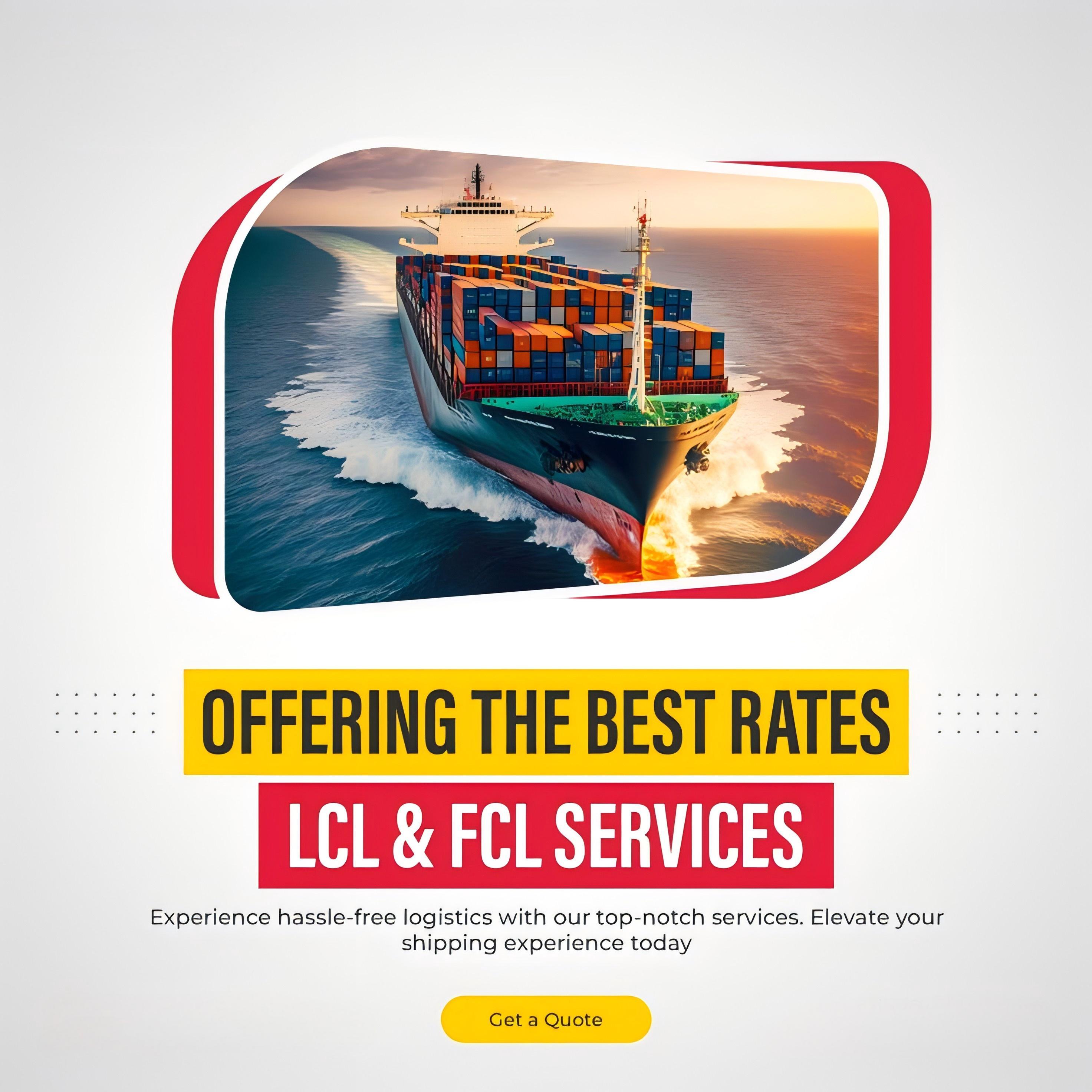
When considering shipping textiles from China to Poland, a variety of transportation modes are available beyond reefer FCL sea freight. Each option presents distinct advantages and disadvantages concerning cost, speed, and cargo suitability. Evaluating these alternatives is crucial for informed decision-making.
For example, while sea freight is generally the most economical for large volumes, air freight offers unparalleled speed for urgent or high-value textile shipments. Rail freight provides a balanced solution, combining reasonable speed with moderate costs. This section will explore these trade-offs.
| Shipping Method | Cost Range (40HQ est.) | Transit Time | Best For | Limitations |
|---|---|---|---|---|
| Sea Freight (FCL) | $3,000 – $4,200 | 28-35 days | Large volumes, cost-efficiency, non-urgent goods | Slower, susceptible to port congestion |
| Rail Freight (FCL) | $8,000 – $12,000 | 18-22 days | Moderate urgency, balanced cost/speed | Capacity limits, less flexible routes |
| Air Freight | $15,000 – $25,000 | 5-7 days | Urgent, high-value, small volume goods | Very high cost, volume/weight restrictions |
Sea Freight (FCL)
Sea freight remains the backbone of international trade, offering the most cost-effective solution for bulk textile shipments. A 40HQ container from China to Poland typically falls within the $3,000-$4,200 range, based on Q1 2025 market rates. This makes it ideal for businesses prioritizing budget.
However, transit times average 28-35 days, which requires careful planning for inventory management. Direct routes reduce transit time slightly but may incur higher costs compared to services with transshipment. Consider sea freight for large, less time-sensitive orders.
Alternative strategies include optimizing container loading to maximize space utilization, thus reducing per-unit shipping costs. Booking well in advance also helps secure better rates and preferred schedules. This foresight is a key cost-saving strategy.
Rail Freight
Rail freight offers a compelling middle-ground for textile imports from China to Poland, blending speed and cost-effectiveness. With transit times of 18-22 days, it significantly outperforms sea freight. This makes it suitable for moderately urgent deliveries.
Costs for a 40HQ via rail typically range from $8,000 to $12,000, which is considerably less than air freight. The New Silk Road routes are increasingly popular, connecting major Chinese cities to European hubs. Explore rail freight for a balanced approach.
For rail, alternative approaches include combining FCL with LCL for smaller, specific textile components. This hybrid solution can optimize costs for diverse inventory needs. Furthermore, selecting reputable rail operators ensures reliability and minimizes transit disruptions.
Air Freight
For time-critical textile shipments, air freight is the fastest option, delivering goods from China to Poland in 5-7 days. This speed is invaluable for fast-fashion cycles or urgent replenishment of high-demand items. However, this premium service comes at a significant cost.
Air freight costs for a comparable volume can range from $15,000 to $25,000, making it uneconomical for routine bulk shipments. It’s best reserved for samples, high-value fashion items, or emergency stock. Consider air freight when speed is paramount.
Alternative strategies for air freight include optimizing packaging to reduce volumetric weight, which directly impacts pricing. Utilizing express services for smaller, urgent textile parcels can also be a cost-effective alternative to standard air cargo. Learn more about express service options.
Which Option Should You Choose?
Selecting the optimal shipping method depends heavily on your specific business priorities. A clear understanding of your budget, urgency, and cargo characteristics will guide your decision. This framework helps streamline the choice.
If budget is your priority and time permits, sea freight FCL is undoubtedly the most economical choice for reefer FCL space availability for textiles from China to Poland. It offers the lowest per-unit cost for large volumes.
For a balance of speed and cost, rail freight provides an excellent compromise, significantly reducing transit time compared to sea. This option is ideal for moderately time-sensitive textile goods.
When speed is paramount, especially for high-value or urgent textile collections, air freight is the preferred method despite its higher cost. It ensures rapid market entry or critical stock replenishment.
Cargo type considerations are also crucial. While reefer FCL is less common for general textiles, it is essential for specific high-end, sensitive fabrics requiring temperature or humidity control. Dry containers suffice for most standard textile shipments.
Finally, volume thresholds play a significant role. For shipments under 15 CBM, LCL (Less than Container Load) might be more economical than FCL. However, for larger volumes, FCL offers better security and often a lower per-CBM rate.
Optimizing Your China-Poland Textile Supply Chain
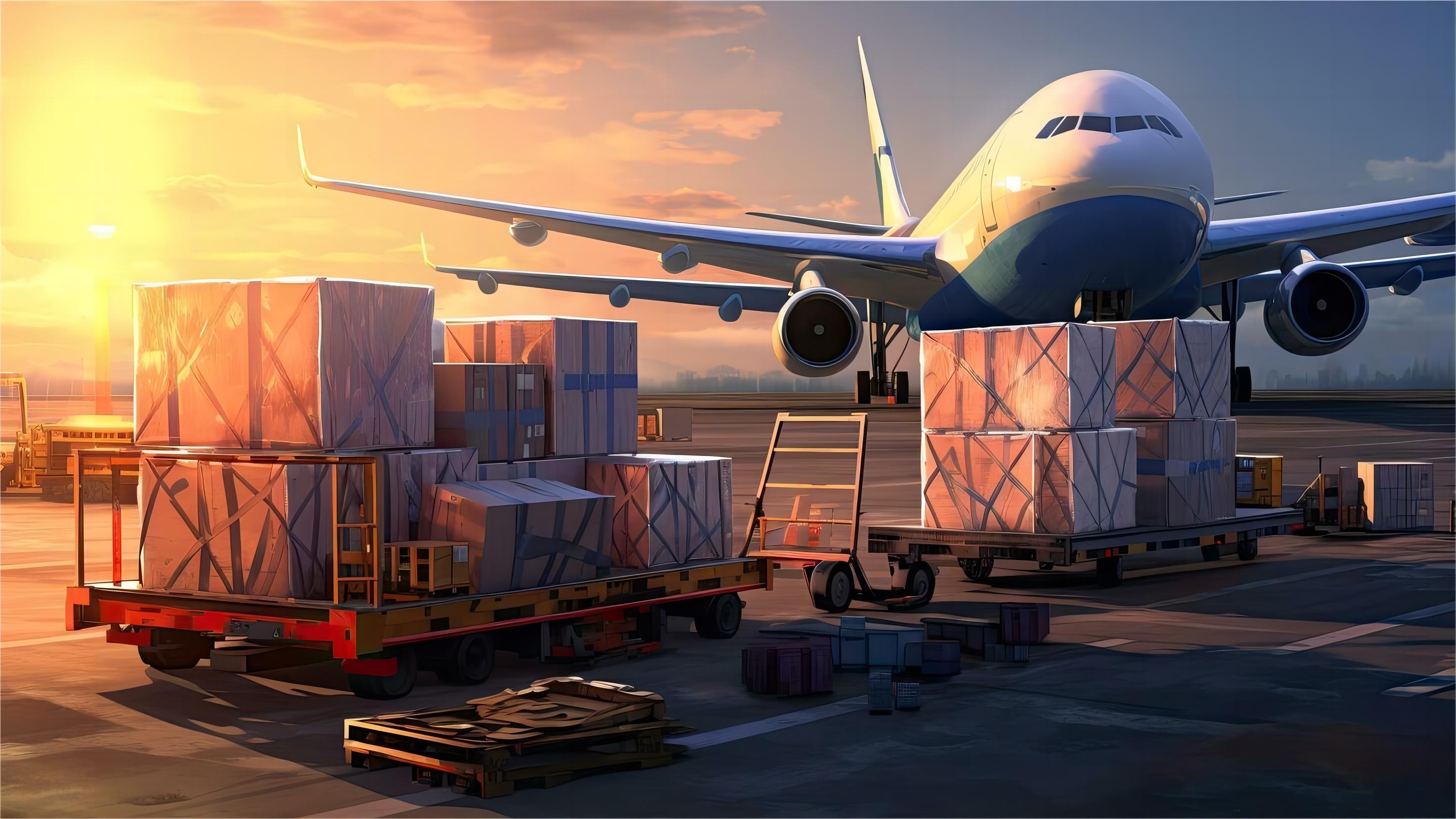
An efficient supply chain is critical for profitability and customer satisfaction in the textile industry. Optimizing your logistics strategy for reefer FCL space availability for textiles from China to Poland involves several key practices. These strategies can significantly enhance operational efficiency.
Firstly, consolidating orders from multiple suppliers into a single FCL shipment can lead to substantial cost savings. This maximizes container utilization and reduces administrative overhead. It also simplifies customs procedures.
Secondly, implementing robust inventory management systems helps predict demand accurately, reducing the need for costly last-minute air freight. Strategic warehousing in Poland can also shorten final delivery times.
Thirdly, engaging a competent freight forwarder like China Top Freight is indispensable. They can provide valuable insights into market trends, secure competitive rates, and manage complex logistics. This partnership ensures smooth operations.
Navigating Customs and Documentation for Textile Imports
Successfully importing textiles from China to Poland requires meticulous attention to customs regulations and documentation. Incorrect or incomplete paperwork can lead to significant delays and penalties. Proper preparation is non-negotiable.
Key documents typically include the commercial invoice, packing list, bill of lading (or air waybill), and certificate of origin. Additionally, textile imports may require specific declarations regarding material composition or safety standards. Understanding these requirements is vital.
Poland, as an EU member state, adheres to EU customs guidelines. Importers must be aware of tariffs, VAT, and any specific import restrictions on textile products. Utilizing a professional customs brokerage service can greatly simplify this process.
Furthermore, understanding Incoterms (International Commercial Terms) is crucial for defining responsibilities and costs between buyer and seller. This clarity prevents disputes and ensures a smooth transaction. Proper documentation is a cornerstone of successful international shipping.
Real-World Shipping Scenarios: China to Poland Textiles
Understanding theoretical concepts is enhanced by real-world examples. These case studies illustrate practical applications of shipping textiles from China to Poland. They highlight typical costs, transit times, and potential challenges.
Based on Q3 2024 market rates, these scenarios provide realistic insights into current logistics operations. Note that freight rates are subject to change based on fuel costs, carrier capacity, and seasonal demand. Always request a current quote.
Case Study 1: Standard Apparel Import (Sea FCL)
| Field | Value |
|---|---|
| Route | Shanghai, China -> Gdynia, Poland |
| Cargo | Cotton T-shirts, 60 CBM, 9,000 kg |
| Container | 40HQ |
| Shipping Details | |
| Carrier/Service | Major carrier (e.g., COSCO) |
| Port of Loading | Shanghai |
| Port of Discharge | Gdynia |
| Route Type | Direct |
| Cost Breakdown | |
| Ocean Freight | $3,500 |
| Origin Charges (THC, documentation) | $450 |
| Destination Charges | $300 |
| Customs & Duties (estimated) | $1,200 |
| Total Landed Cost | $5,450 |
| Timeline | |
| Booking to Loading | 7 days |
| Sea Transit | 30 days |
| Customs Clearance | 3 days |
| Total Door-to-Door | 40 days |
| Key Insight | Cost-effective for bulk non-urgent items, but requires long lead time. |
Case Study 2: Urgent High-Value Fabric (Air Freight)
| Field | Value |
|---|---|
| Route | Guangzhou, China -> Warsaw, Poland |
| Cargo | Silk fabric, 5 CBM, 800 kg |
| Container | Air Cargo (ULD) |
| Shipping Details | |
| Carrier/Service | Premium Air Freight (e.g., Lufthansa Cargo) |
| Port of Loading | Guangzhou Baiyun (CAN) |
| Port of Discharge | Warsaw Chopin (WAW) |
| Route Type | Direct |
| Cost Breakdown | |
| Air Freight | $18,000 |
| Origin Charges (Handling, documentation) | $600 |
| Destination Charges | $400 |
| Customs & Duties (estimated) | $800 |
| Total Landed Cost | $19,800 |
| Timeline | |
| Booking to Loading | 2 days |
| Air Transit | 2 days |
| Customs Clearance | 1 day |
| Total Door-to-Door | 5 days |
| Key Insight | Extremely fast for urgent, high-value goods; significantly higher cost. |
Case Study 3: Mid-Volume Seasonal Collection (Rail FCL)
| Field | Value |
|---|---|
| Route | Xi’an, China -> Lodz, Poland |
| Cargo | Winter apparel collection, 50 CBM, 7,500 kg |
| Container | 40HQ |
| Shipping Details | |
| Carrier/Service | China-Europe Express Train |
| Port of Loading | Xi’an |
| Port of Discharge | Lodz |
| Route Type | Direct Rail |
| Cost Breakdown | |
| Rail Freight | $9,500 |
| Origin Charges (THC, documentation) | $500 |
| Destination Charges | $350 |
| Customs & Duties (estimated) | $1,000 |
| Total Landed Cost | $11,350 |
| Timeline | |
| Booking to Loading | 5 days |
| Rail Transit | 20 days |
| Customs Clearance | 2 days |
| Total Door-to-Door | 27 days |
| Key Insight | Good balance of speed and cost for seasonal items; avoids sea route disruptions. |
Choosing the Right Logistics Partner for Your Reefer FCL Needs
Partnering with an experienced freight forwarder is paramount for successful international textile shipping. A reliable partner understands the intricacies of global logistics and can navigate potential challenges. This ensures smooth operations.
China Top Freight specializes in comprehensive shipping solutions from China to Europe. We offer expertise in FCL shipments, including specific requirements for reefer containers if needed. Our team provides tailored advice and efficient execution.
We manage everything from initial booking and cargo handling to customs clearance and final delivery. Our services ensure your textile goods reach Poland safely and on schedule. We focus on optimizing your supply chain efficiency.
Whether you need door-to-door service or specific port-to-port arrangements, we are equipped to handle your needs. Our extensive network and proactive communication keep you informed every step of the way. We strive for transparency and reliability.
Conclusion
In conclusion, managing reefer FCL space availability for textiles from China to Poland requires strategic planning and expert execution. While standard textiles may not always need reefer, understanding the options for specialized cargo is crucial. By comparing shipping methods, optimizing supply chains, and partnering with a reliable freight forwarder, businesses can ensure efficient and cost-effective textile imports.
Need a tailored shipping solution?
Ready to secure your reefer FCL space for textiles from China to Poland? Contact China Top Freight today for a personalized quote and expert consultation. Our team is prepared to optimize your shipping strategy and ensure a seamless logistics experience. Request your free inquiry now.