

Freight Forwarding China to Singapore: Your Ultimate Guide
Navigating international shipping can be complex, especially when considering freight forwarding from China to Singapore. Businesses often face challenges with customs, transit times, and finding reliable partners. This guide provides comprehensive insights and solutions to streamline your shipping process with China Top Freight.

Why is Freight Forwarding China to Singapore Essential for Your Business?
Singapore, a key trading hub in Southeast Asia, relies heavily on efficient supply chains from manufacturing powerhouses like China. Therefore, understanding effective freight forwarding China to Singapore solutions is paramount for businesses. This strategic route supports diverse industries, from electronics to consumer goods.
Furthermore, the complexities of international logistics, including customs regulations and varying transit times, necessitate expert assistance. A reliable shipping agent ensures your goods move smoothly, minimizing delays and unexpected costs. Consequently, seamless shipping from China to Singapore directly impacts your market competitiveness.
Understanding Key Shipping Methods from China to Singapore
When planning your imports, choosing the right shipping method for freight forwarding China to Singapore is critical. The primary options include sea freight, air freight, and express services. Each method offers distinct advantages regarding cost, speed, and cargo capacity.
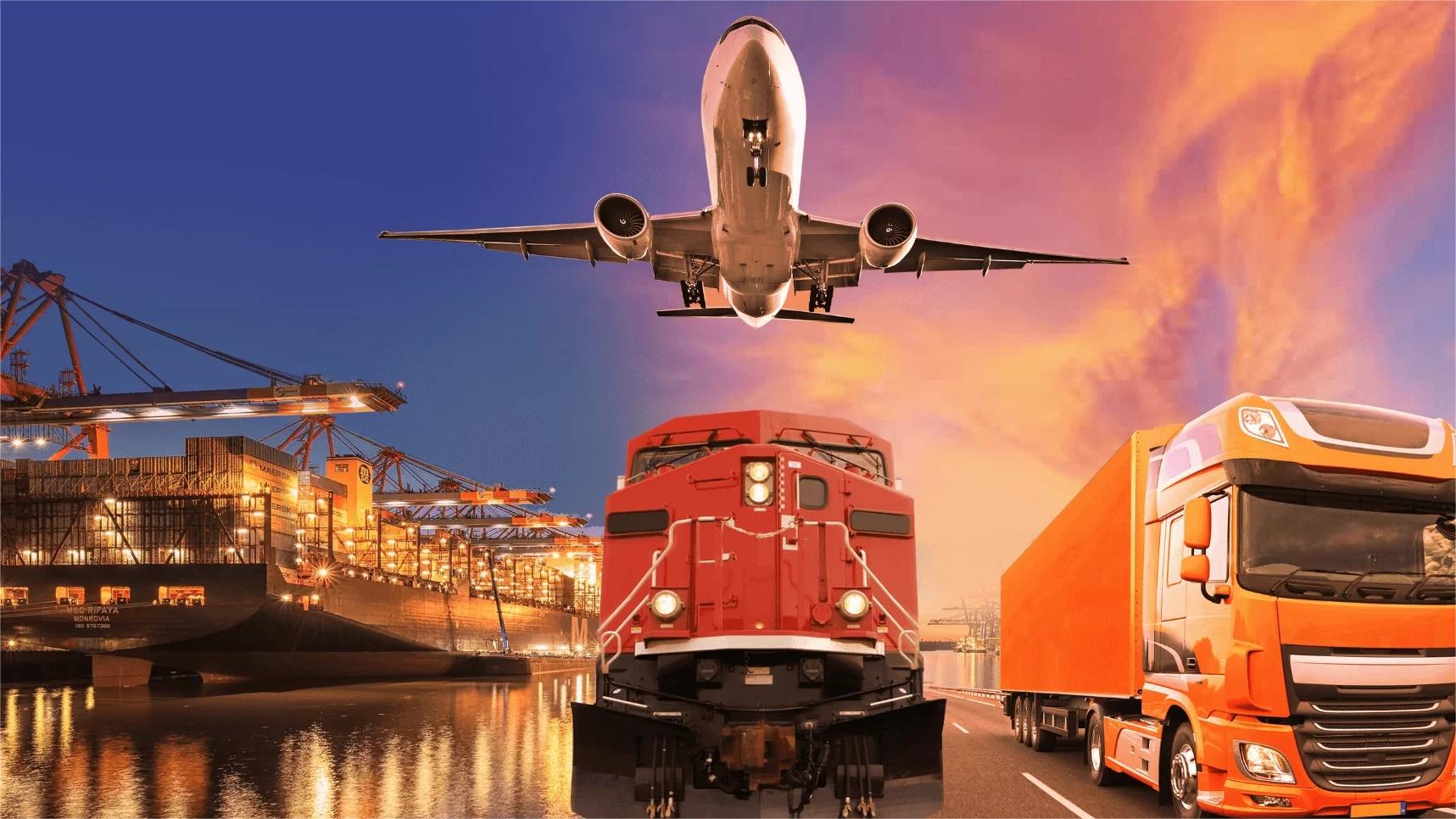
Moreover, your decision will depend on factors such as cargo volume, urgency, and budget. For instance, while air freight offers speed, sea freight provides a more economical solution for larger consignments. Consequently, evaluating these options carefully is vital for efficient logistics.
| Shipping Method | Cost Range | Transit Time | Best For | Limitations |
|---|---|---|---|---|
| Sea Freight | Low to Medium | 7-15 days | Large, heavy, non-urgent cargo | Slower, port-to-port often |
| Air Freight | Medium to High | 3-7 days | Urgent, high-value, perishable goods | Higher cost, limited volume/weight |
| Express Service | High | 1-3 days | Small, urgent parcels, samples | Very high cost, strict dimension/weight limits |
Sea Freight Options: FCL, LCL, and Optimizing Your Shipments
For many businesses, sea freight remains the most cost-effective method for freight forwarding China to Singapore. You typically have two main choices: Full Container Load (FCL) or Less than Container Load (LCL). Understanding these options helps optimize your shipping costs and efficiency.
FCL involves reserving an entire container for your goods, offering greater security and faster transit times compared to LCL. Conversely, LCL shipping combines your cargo with other shippers’ goods in one container. This is ideal for smaller volumes, where a full container is not necessary, providing a cost-effective solution for importing from China to Singapore.
However, LCL shipments may experience slightly longer transit times due to consolidation and deconsolidation processes. Therefore, for larger volumes or sensitive cargo, FCL shipping from China to Singapore often proves more advantageous. When considering the cost of shipping container China to Singapore, FCL rates can be more predictable.
Navigating Customs and Documentation for China-Singapore Imports
Successful freight forwarding China to Singapore hinges on accurate customs clearance and proper documentation. Singapore has strict import regulations, making meticulous preparation essential. Any discrepancies can lead to significant delays and additional charges, impacting your delivery schedule.
Furthermore, ensuring all paperwork is correct and submitted on time is crucial for seamless entry. A knowledgeable customs brokerage service can navigate these complexities, preventing common pitfalls. They will assist with tariffs, duties, and compliance, ensuring your goods meet all Singapore import duties from China requirements.
| Document Type | Purpose | Requirement |
|---|---|---|
| Commercial Invoice | Details of goods, value, seller/buyer | Mandatory for customs valuation |
| Packing List | Itemizes contents, weights, dimensions | Aids in cargo inspection and handling |
| Bill of Lading (B/L) / Air Waybill (AWB) | Contract of carriage, title to goods | Proof of shipment and ownership |
| Certificate of Origin | Confirms goods’ country of manufacture | May qualify for preferential tariffs |
| Import Permit/License | Required for controlled goods | Issued by relevant Singaporean authorities |

Transit Times and Costs: What to Expect for China to Singapore Routes
Transit times and shipping costs for freight forwarding China to Singapore can vary significantly based on method, origin port, and current market conditions. For instance, sea freight typically takes 7-15 days, while express service can deliver in 1-3 days.
Moreover, factors like fuel surcharges, peak seasons (e.g., Chinese New Year, Q4 holidays), and port congestion directly impact freight rates. Therefore, securing an accurate quote and planning ahead is essential for managing your budget effectively. Understanding these variables helps you anticipate potential fluctuations in shipping costs China to Singapore.
Note: Freight rates are subject to change based on fuel costs, carrier capacity, and seasonal demand. Contact us for a current quote tailored to your specific shipment.

Real-World Freight Forwarding China to Singapore Case Studies
Examining real-world examples provides valuable insights into effective freight forwarding China to Singapore strategies. These case studies highlight how different businesses optimized their logistics, managing both costs and transit times efficiently. They demonstrate the practical application of various shipping methods and solutions.
These scenarios showcase the importance of choosing the right shipping agent China to Singapore and utilizing services like door to door delivery for a seamless experience. Each case offers a unique perspective on navigating the complexities of international trade.
Case Study 1: Efficient LCL for Small Electronics
This case illustrates how a small Singaporean retailer successfully imported electronics using LCL freight, optimizing costs without sacrificing speed. The shipment was consolidated from multiple suppliers in Guangzhou.
| Detail | Value |
|---|---|
| Route | Guangzhou, China Singapore |
| Cargo | Electronics components, 8 CBM, 1200 kg |
| Container | LCL 8 CBM |
| Shipping Details | Major LCL consolidator |
| Port of Loading | Huangpu, Guangzhou |
| Port of Discharge | PSA Singapore |
| Route Type | Direct |
| Ocean Freight | $480 (Based on Q3 2024 market rates) |
| Origin Charges (THC, documentation) | $180 |
| Destination Charges | $150 |
| Customs & Duties (estimated) | $120 |
| Total Landed Cost | $930 |
| Booking to Loading | 3 days |
| Sea Transit | 7 days |
| Customs Clearance | 2 days |
| Total Door-to-Door | 12 days |
| Key Insight | Cost-effective for smaller volume, timely delivery achieved through direct service and efficient consolidation. |
Case Study 2: Urgent Air Freight for Fashion Apparel
A Singaporean fashion brand needed to replenish its inventory quickly for a new collection launch. Air freight was the chosen method to ensure rapid delivery from Shanghai to Singapore. Speed was prioritized over cost in this scenario.
| Detail | Value |
|---|---|
| Route | Shanghai, China Singapore |
| Cargo | Fashion apparel, 2 CBM, 350 kg |
| Container | Air Cargo (General) |
| Shipping Details | Major airline cargo service |
| Airport of Origin | Shanghai Pudong (PVG) |
| Airport of Destination | Changi Airport (SIN) |
| Route Type | Direct |
| Air Freight | $1,400 (Typical rates as of early 2025) |
| Origin Charges (Handling, documentation) | $150 |
| Destination Charges | $100 |
| Customs & Duties (estimated) | $80 |
| Total Landed Cost | $1,730 |
| Booking to Loading | 1 day |
| Air Transit | 1 day |
| Customs Clearance | 1 day |
| Total Door-to-Door | 3 days |
| Key Insight | High-speed delivery was critical for market timing, justifying the higher air freight cost. |
Case Study 3: FCL for Industrial Machinery
An industrial firm in Singapore imported heavy machinery, requiring an entire container from Shenzhen. FCL provided the necessary capacity and security for the large, valuable equipment. Careful planning was essential due to cargo size.
| Detail | Value |
|---|---|
| Route | Shenzhen, China Singapore |
| Cargo | Industrial machinery, 25 CBM, 15,000 kg |
| Container | 20GP FCL |
| Shipping Details | Major ocean carrier (e.g., COSCO) |
| Port of Loading | Yantian, Shenzhen |
| Port of Discharge | PSA Singapore |
| Route Type | Direct |
| Ocean Freight | $1,800 (Based on Q1 2025 market rates) |
| Origin Charges (THC, documentation) | $350 |
| Destination Charges | $250 |
| Customs & Duties (estimated) | $200 |
| Total Landed Cost | $2,600 |
| Booking to Loading | 5 days |
| Sea Transit | 8 days |
| Customs Clearance | 2 days |
| Total Door-to-Door | 15 days |
| Key Insight | FCL provided optimal protection and cost-efficiency for large, heavy cargo, ensuring secure transport. |
Strategic Considerations for Your China-Singapore Logistics
Optimizing your logistics for freight forwarding China to Singapore requires strategic decision-making. Considering various factors beyond just cost and speed can lead to significant efficiencies and savings. Moreover, understanding your specific business needs is paramount for making informed choices.
Which Option Should You Choose? (Decision Framework)
Selecting the ideal shipping method depends on your priorities and cargo characteristics. Therefore, a clear decision framework can guide your choices for shipping from China to Singapore.
If budget is your primary concern, sea freight (especially LCL for smaller volumes) is generally the most economical choice. However, if speed is paramount, air freight or express services are indispensable. Cargo type also dictates suitability; perishable or high-value goods often benefit from faster, more secure options. Volume thresholds are also important; for instance, shipments exceeding 15 CBM might justify an FCL container.
Cost-Saving Strategies and Efficiency Tips
Several strategies can help reduce your overall shipping costs for freight forwarding China to Singapore. Firstly, cargo consolidation, particularly for LCL shipments, can significantly lower per-unit expenses. Combining multiple small orders into one larger shipment maximizes container space.
Secondly, understanding and utilizing Incoterms (International Commercial Terms) correctly can prevent unexpected costs and clarify responsibilities. Thirdly, planning your shipments well in advance helps avoid peak season surcharges and allows for booking more economical routes. Lastly, consider hybrid solutions, such as sea-air, for a balance of speed and cost for certain routes.
Partnering with the Right Freight Forwarder for China-Singapore
Ultimately, the success of your freight forwarding China to Singapore operations largely depends on your logistics partner. A reputable and experienced freight forwarder offers invaluable expertise, navigating complex regulations and optimizing your supply chain. They provide end-to-end solutions, from origin pickup to final delivery.
Choosing a partner like China Top Freight means gaining access to a global network, advanced tracking systems, and personalized customer service. Our comprehensive logistics solutions China Singapore ensure your cargo arrives safely and on time. We streamline your international trade, allowing you to focus on your core business growth.
Conclusion
In conclusion, successful freight forwarding from China to Singapore demands careful planning and a reliable logistics partner. By understanding the various shipping methods, customs procedures, and cost-saving strategies, businesses can ensure efficient and timely delivery of their goods. Partnering with an experienced forwarder simplifies this complex process, ensuring your supply chain remains robust and competitive.
Start Your Shipment
Ready to optimize your freight forwarding China to Singapore operations? Do not hesitate to contact China Top Freight for a personalized consultation. Our experts are prepared to offer tailored logistics solutions that meet your specific business requirements and budget.
Request Quote