

Managing sensitive textile shipments requires precision, and real-time reefer FCL tracking for textiles from China to Los Angeles is increasingly essential to prevent delays, temperature deviation risks, and inventory shortages. Because textiles can be moisture-sensitive, importers rely heavily on accurate tracking technologies to maintain stability throughout the supply chain.
What Does Reefer FCL Tracking Mean for Textile Shipments?
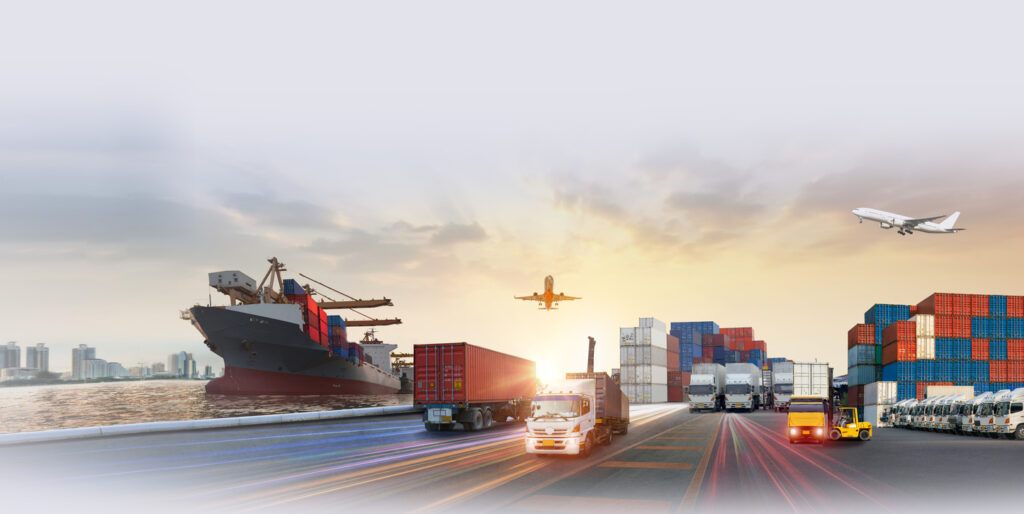
Reefer FCL tracking refers to real-time monitoring of refrigerated containers carrying textile products that need controlled temperature or moisture protection. Although textiles are not perishable like food, they are highly sensitive to humidity changes, mold, and condensation. Therefore, advanced tracking ensures environmental stability throughout the journey.
Benefits for textile importers
- Live temperature and humidity monitoring
- Updated ETA and route visibility
- Alerts for power-off events
- Reduced cargo damage risk
- Better inventory planning
Tracking forms the backbone of supply chain control, especially when shipping to high-volume distribution centers in Los Angeles.
Why Do Textiles Sometimes Require Reefer Containers?
While standard containers are widely used for general textiles, certain conditions require reefers. Moreover, long transit times expose fabrics to moisture and mold growth, which can degrade product quality and cause export inspection failures.
When reefers are needed
- High-value fabrics (silk, premium cotton)
- Moisture-sensitive textiles
- Cargo traveling during monsoon or winter
- Long storage times at ports
- Goods requiring 20–25°C environment
Long-tail keywords included: humidity-controlled textile shipping, reefer humidity management, moisture protection logistics, textile container protection.
How Does Reefer FCL Tracking Work from China to Los Angeles?
Reefer tracking combines hardware sensors, carrier software, and cloud platforms. Additionally, importers receive automated alerts and data logs throughout the China–U.S. West Coast route.
Key tracking elements
1. GPS positioning
Shows real-time container location.
2. Temperature & humidity sensors
Provide minute-by-minute environmental data.
3. Power supply monitoring
Alerts when reefer power is cut off.
4. Route & ETA updates
Prevent scheduling conflicts at Los Angeles terminals.
Because the China–Los Angeles corridor is high traffic, tracking helps avoid unloading delays during peak port congestion.
What are you waiting for?
Contact chinatopfreight for a fast, free quote.
Are you ready to book?
Access live instant freight quotes
Which Tools Are Used for Reefer FCL Tracking?
Carriers and forwarders use multiple platforms for real-time visibility. Moreover, many systems integrate directly with customer dashboards.
Common tracking systems
- Maersk Captain Peter
- MSC Smart Reefer
- CMA CGM Reefer Pharma system
- Hapag-Lloyd Live Cooling Monitoring
- Forwarder GPS cloud systems
Each system records temperature, humidity, and movement data and sends alerts to textile importers across the United States.
What Are the Main Costs of Reefer FCL Tracking for Textiles?
Reefer tracking requires both hardware and service fees. Additionally, fuel costs and monitoring subscriptions influence the final price.
Bold Table Title:
Estimated Reefer FCL Tracking & Shipping Costs China → Los Angeles
| Cost Item | Estimated Range | Notes |
|---|---|---|
| Base Reefer Freight | $3,000–$5,200 | Port-to-port |
| Tracking Device | $60–$150 | Per shipment |
| Monitoring Subscription | $20–$60 | Per container |
| Power Surcharge | $80–$180 | Terminal cost |
| U.S. Local Delivery | $350–$800 | LA area delivery |
Long-tail keywords added: reefer freight cost, tracking surcharge, temperature-controlled shipping expense, China–US reefer rate, textile import logistics cost.
How Long Does Reefer FCL Transit Take from China to Los Angeles?
Transit time depends on the origin port and sailing schedule. Additionally, reefer units may require special handling that affects schedule selection.
Bold Table Title:
Transit Time for Reefer FCL Textiles China → Los Angeles
| Origin Port | Transit Time | Notes |
|---|---|---|
| Shanghai | 14–17 days | Fastest lane |
| Ningbo | 15–18 days | Strong availability |
| Qingdao | 17–21 days | Occasional weather delays |
| Shenzhen/Yantian | 15–19 days | Popular textile exporting region |
Factors influencing transit time:
- Vessel rotation
- Port congestion
- Reefer equipment handling time
- Customs workload
- Seasonal weather patterns
These elements directly affect tracking updates and ETA accuracy.
Which Los Angeles Terminals Are Best for Reefer Textile Shipments?
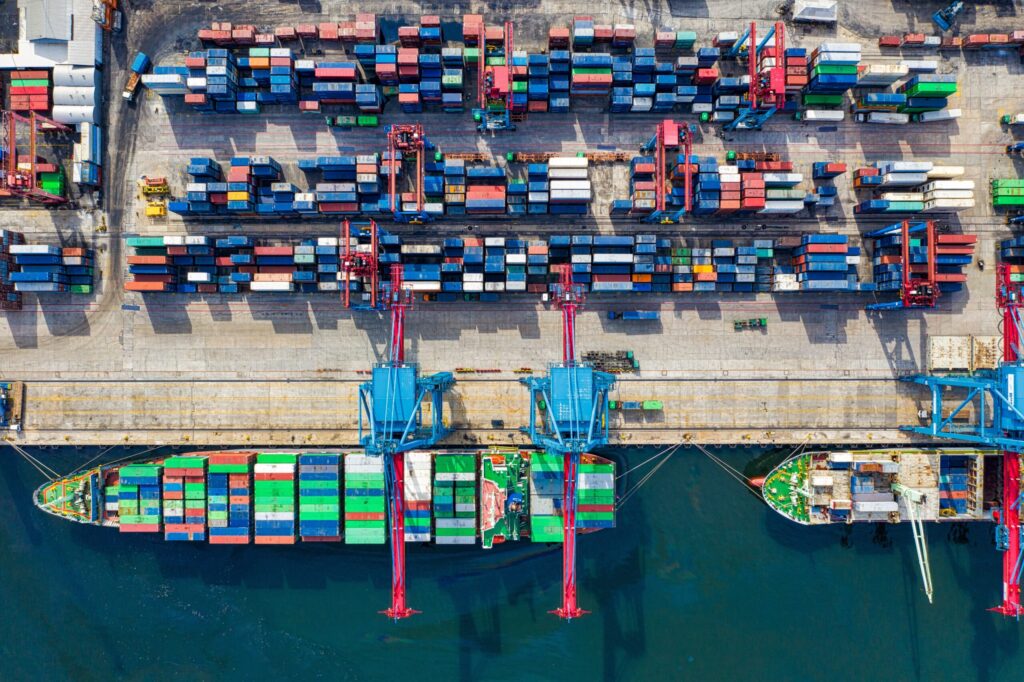
Because terminals vary in reefer capacity and inspection frequency, choosing the right terminal ensures faster unloading and fewer delays.
Major reefer-friendly LA terminals
- APM Terminals (Pier 400)
- SSA Marine Terminal
- TraPac Terminal
- Everport Terminal Services
Why terminals matter
- Reefer power plugs availability
- Faster customs release times
- Lower congestion
- Dedicated reefer lanes
Textile importers benefit from terminal selection to minimize downtime and avoid power loss events.
What Documents Are Required for Reefer Textile Shipments?
Although tracking reduces risk, proper documentation ensures smooth customs clearance. Moreover, textile cargo is often inspected for labeling and fiber content compliance.
Bold Table Title:
China → Los Angeles Textile Reefer Document Checklist
| Document | Required | Purpose |
|---|---|---|
| Commercial Invoice | Yes | Value declaration |
| Packing List | Yes | Carton/pallet details |
| Bill of Lading | Yes | Shipment record |
| HS Codes | Yes | Duty calculation |
| Textile Compliance Certificates | Sometimes | Fiber & labeling verification |
Semantic terms integrated: customs documentation, import paperwork, fiber compliance, textile certification, U.S. CBP requirements.
Can Reefer Tracking Reduce Cargo Damage for Textiles?
Yes. Since textiles are highly sensitive to humidity, tracking prevents condensation build-up, mold growth, and moisture exposure. Additionally, real-time data allows corrective actions during transit.
Risk-prevention benefits
- Protection against high humidity
- Early warnings for power disconnection
- Stability in long voyages
- Reduction in claim disputes
This reliability is crucial for large shipments destined for Los Angeles distribution centers supplying retail chains.
What Are the Main Challenges of Reefer FCL Tracking?
Even with advanced monitoring systems, challenges exist. However, proactive planning minimizes disruptions.
Common challenges
- Signal interruptions mid-Pacific
- Delays in reefer plug availability
- Inaccurate ETA updates during congestion
- Sensor malfunction or calibration issues
- Customs holds extending terminal time
Using a forwarder with strong reefer experience can significantly reduce these risks.
Conclusion
Effective reefer FCL tracking for textiles from China to Los Angeles ensures stable conditions, reduced moisture risk, and accurate visibility throughout the supply chain. Because textiles require consistent humidity protection and real-time monitoring, advanced tracking tools enhance quality control and streamline logistics operations. With proper planning, accurate documentation, and reliable tracking platforms, importers can reduce risks, prevent delays, and maintain high-quality textile delivery into the Los Angeles market.
FAQ
1. Why do textiles need reefer tracking during long ocean transit?
Humidity changes can damage fabrics, causing mold and discoloration. Reefer tracking helps maintain stable conditions and alerts importers to environmental risks early.
2. How much does reefer FCL shipping cost from China to Los Angeles?
Costs vary by season, carrier, and cargo requirements. Tracking devices and monitoring fees add extra charges but significantly improve cargo safety and stability.
3. Which ports in China offer the best reefer availability?
Shanghai, Ningbo, Shenzhen, and Qingdao provide the most stable reefer equipment availability and faster loading processes, especially for moisture-sensitive textile shipments.
4. Can I track reefer containers in real time across the Pacific?
Yes. Most carriers offer continuous GPS and temperature data. However, brief signal gaps may occur mid-ocean without affecting overall tracking reliability.
5. Why is humidity control important for textiles?
Humidity variations cause condensation, mold, and fiber damage. Stable conditions preserve texture, color, and quality during long ocean transportation to Los Angeles.