

Sailing Schedule for FCL Shipping from China to Seattle
Navigating the complexities of international freight can be challenging, especially when managing full container load (FCL) shipments. Understanding the precise sailing schedule for FCL shipping from China to Seattle is crucial for effective supply chain management. This guide provides comprehensive insights into transit times, costs, and key considerations for importing goods via FCL from China to the bustling port of Seattle. We aim to simplify your logistics planning and ensure your cargo arrives on time.

What is FCL Shipping and Why Choose It for Seattle?
FCL, or Full Container Load, refers to a shipping method where a single consignee utilizes an entire shipping container for their cargo. This means your goods are not consolidated with other shippers’ items, providing exclusive use of the container space. Consequently, it offers enhanced security and reduced handling risks for your valuable shipments.
Choosing FCL for shipping from China to Seattle offers several distinct advantages. Primarily, it often proves more cost-effective for larger volumes of goods, typically exceeding 15-20 cubic meters. Moreover, FCL shipments generally experience faster transit times compared to Less than Container Load (LCL) services, as there are no delays associated with consolidation or deconsolidation processes at various ports. This streamlined approach supports efficient supply chain operations.
Understanding the Sailing Schedule for FCL Shipping from China to Seattle
The sailing schedule for FCL shipping from China to Seattle is influenced by numerous factors, including the origin port, carrier selection, and vessel speed. Typically, direct services from major Chinese ports like Shanghai, Ningbo, or Shenzhen to Seattle can range from 14 to 20 days. However, indirect routes involving transshipment points may extend this duration.
Furthermore, seasonal demand and port congestion significantly impact these schedules. For instance, during peak shipping seasons, such as before major holidays like Chinese New Year or the year-end rush, vessel space can become scarce. This often leads to potential delays or increased freight rates, thus requiring proactive planning from shippers.
Therefore, monitoring real-time logistics trends and maintaining flexible delivery schedules are essential for managing expectations. Securing bookings well in advance remains a crucial strategy to mitigate these common challenges. Additionally, staying informed about potential disruptions, like adverse weather conditions, is always prudent.
| Origin Port (China) | Typical Transit Time (Days) | Frequency | Key Considerations |
|---|---|---|---|
| Shanghai | 16-20 | Daily/Multiple Weekly | Major hub, high volume |
| Ningbo | 15-19 | Multiple Weekly | Efficient port, good connections |
| Shenzhen (Yantian/Shekou) | 14-18 | Daily/Multiple Weekly | Southern China’s gateway, fast transit |
| Qingdao | 18-22 | Weekly/Bi-Weekly | Northern China, slightly longer transit |
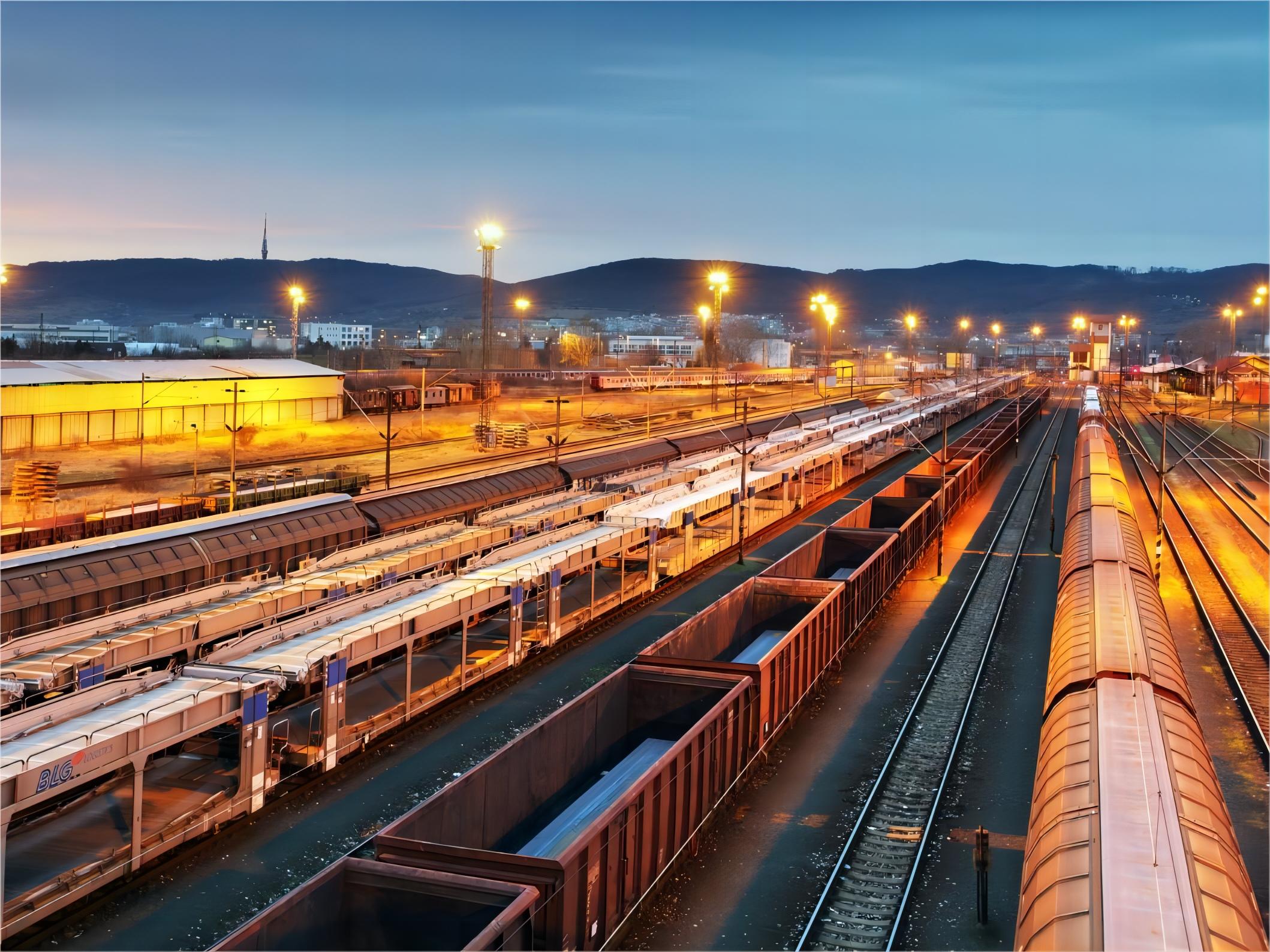
Key Ports and Routes for China to Seattle FCL Shipments
Several major Chinese ports serve as primary departure points for FCL shipments bound for Seattle. Shanghai, a global maritime powerhouse, offers extensive vessel options and frequent departures. Ningbo, another significant port, provides efficient services, particularly for goods originating from Zhejiang province. Moreover, Shenzhen, with its Yantian and Shekou terminals, is a crucial gateway for southern China’s manufacturing hubs.
Most FCL shipments from these ports to Seattle follow direct trans-Pacific routes. These services aim to minimize transit times by avoiding intermediate stops. However, some carriers may offer routes that include transshipment through other major Asian hubs, such as Busan (South Korea) or Tokyo (Japan), which can sometimes be more economical but typically add a few days to the journey.
Opting for a direct route for your sea freight ensures the quickest possible delivery. Consequently, understanding the specific routes offered by various carriers allows importers to balance speed against cost. Always verify the exact route and any potential transshipment points when booking your FCL shipment to Seattle.
How Are FCL Shipping Costs from China to Seattle Determined?
Determining the total cost of FCL shipping from China to Seattle involves several components beyond just the ocean freight. The base ocean freight rate is influenced by factors such as the container size (20GP, 40GP, 40HQ), the specific carrier, and current market demand. Additionally, fuel surcharges (Bunker Adjustment Factor – BAF) and currency adjustment factors (CAF) are common additions that fluctuate regularly.
Origin charges at the Chinese port include terminal handling charges (THC), documentation fees, and potentially drayage if the container needs to be moved from the factory to the port. Similarly, destination charges in Seattle encompass THC, customs clearance fees, and delivery to your final warehouse. These local charges can significantly add to the overall shipping costs.
Furthermore, importers must account for customs duties and taxes imposed by US Customs and Border Protection. These are calculated based on the Harmonized System (HS) code of your goods and their declared value. Consequently, understanding the full breakdown of these freight rates is essential for accurate budgeting and avoiding unexpected expenses. Based on current market rates as of early 2025, a 40HQ container from China to Seattle typically ranges from $2,800 to $3,800 for ocean freight alone.
Navigating Customs Clearance and Documentation for Seattle Imports
Successful FCL shipping from China to Seattle heavily relies on meticulous customs clearance procedures. Proper documentation is paramount to avoid delays, fines, and potential seizure of goods. Importers must ensure all paperwork is accurate, complete, and submitted in a timely manner to US Customs and Border Protection.
Key documents typically required include the Bill of Lading (BOL), which serves as a contract between the shipper and carrier and a receipt for the goods. Furthermore, a detailed Commercial Invoice, outlining the goods’ value, quantity, and terms of sale, is critical. A Packing List, providing a precise inventory of contents, is also indispensable for inspections.
Additionally, a Certificate of Origin may be necessary for certain products, verifying where the goods were manufactured. Engaging a professional customs brokerage service is highly recommended. These experts can navigate complex regulations, ensure compliance, and expedite the clearance process, thereby preventing costly disruptions to your supply chain.
Optimizing Your FCL Shipments: Tips and Best Practices
Optimizing your sailing schedule for FCL shipping from China to Seattle involves several strategic practices. Firstly, planning and booking your shipments well in advance, ideally 2-4 weeks ahead of the desired departure, is crucial. This helps secure competitive freight rates and ensures vessel space, especially during peak seasons.
Secondly, selecting the right container size and type is essential for cost-efficiency. While a 20GP might suffice for denser cargo, a 40HQ offers more cubic capacity for lighter, bulkier goods, often at a better per-unit cost. Maximizing container utilization directly reduces your overall shipping costs and improves efficiency.
Moreover, partnering with a reliable and experienced freight forwarder is invaluable. A good forwarder can offer expert advice on routes, carriers, customs procedures, and provide comprehensive tracking. They can also help negotiate better rates and manage unforeseen challenges, ensuring a smoother import process from China to Seattle.

How Does FCL Shipping Compare to Other Shipping Options?
When considering the sailing schedule for FCL shipping from China to Seattle, it is vital to compare it with alternative logistics solutions. Each method offers distinct advantages and disadvantages regarding cost, speed, and suitability for different cargo types. Understanding these trade-offs is key to making informed decisions for your supply chain.
| Shipping Method | Cost Range (40HQ/1000kg) | Typical Transit Time | Best For | Limitations |
|---|---|---|---|---|
| FCL Sea Freight | $2,800 – $3,800 | 14-20 days | Large volumes, cost-efficiency | Longer transit, port congestion |
| LCL Sea Freight | $800 – $1,500 (per 10 CBM) | 20-30 days | Smaller volumes, budget-friendly | Slower, more handling, higher per CBM rate |
| Air Freight | $15,000 – $25,000 | 3-7 days | Urgent, high-value, perishable goods | Very high cost, volume/weight restrictions |
FCL vs. LCL: When to Choose Full Container Load
FCL shipping is generally more cost-effective for larger shipments, typically those exceeding 15-20 cubic meters (CBM). For instance, if your cargo fills a 20GP container (approx. 28 CBM), FCL will almost always be cheaper per CBM than LCL. Furthermore, FCL offers direct transit, reducing handling and potential damage.
Conversely, Less than Container Load (LCL) is suitable for smaller volumes that don’t fill an entire container. While LCL charges are based on volume or weight, the per-unit cost can be higher due to consolidation and deconsolidation fees. LCL also often involves longer transit times because of additional stops and handling processes.
Sea Freight vs. Air Freight for Time-Sensitive Cargo
Sea freight, including FCL, is the most economical option for shipping large volumes from China to Seattle, albeit with longer transit times (14-20 days). This method is ideal for goods with flexible delivery schedules and lower urgency. Its significantly lower cost per unit makes it indispensable for bulk imports.
In contrast, air freight offers unparalleled speed, delivering cargo from China to Seattle in just 3-7 days. However, this speed comes at a much higher cost, making it suitable only for high-value, time-critical, or perishable goods. For example, while FCL sea freight for a 40HQ might cost $3,000-4,200, air freight for a similar volume could easily exceed $20,000-30,000.
Alternative Strategies and Hybrid Solutions
For urgent yet large shipments, a sea-air hybrid solution can be considered. This involves shipping goods by sea to a closer port (e.g., in South Korea), then transferring them to air freight for the final leg to Seattle. This balances cost and speed, offering a middle ground between purely sea or air options.
Additionally, for very small, high-value, or extremely urgent items, express service couriers remain a viable alternative. While expensive, they provide door-to-door delivery within days, complete with customs clearance. These services bypass the complexities of traditional freight, offering a premium solution for critical situations.
Which Option Should You Choose for Your China to Seattle Shipments?
Deciding the optimal shipping method for your cargo from China to Seattle depends on your specific business priorities. If budget is your primary concern and you have large volumes of goods, FCL sea freight is almost always the most economical choice. It provides the best cost-per-unit for substantial shipments.
Conversely, if speed is paramount, especially for time-sensitive products or to meet tight deadlines, air freight is the undisputed winner. While significantly more expensive, its rapid transit times ensure quick market entry or replenishment. Consider the criticality of your delivery schedule when making this decision.
Furthermore, cargo type and volume thresholds play a crucial role. For shipments under 15 CBM, LCL might be more suitable, but FCL becomes the clear choice once your volume exceeds this. For specialized or very urgent items, express services or hybrid sea-air solutions offer tailored flexibility, balancing speed and cost effectively.
Real-World Scenarios: FCL Shipping from China to Seattle
Exploring real-world case studies provides practical insights into the complexities and successes of FCL shipping from China to Seattle. These examples illustrate how different factors impact transit times, costs, and overall logistics outcomes. They highlight the importance of strategic planning and expert execution in international freight.
Case Study 1: Electronics Components for Retail
| Detail | Description |
|---|---|
| Route | Shenzhen, China Seattle, USA |
| Cargo | Electronics components, 25 CBM, 8,000 kg |
| Container | 20GP |
| Shipping Details | |
| – Carrier/Service | COSCO |
| – Port of Loading | Yantian, Shenzhen |
| – Port of Discharge | Seattle, WA |
| – Route Type | Direct |
| Cost Breakdown (Based on Q3 2024 market rates) | |
| – Ocean Freight | $1,800 |
| – Origin Charges (THC, documentation) | $350 |
| – Destination Charges | $400 |
| – Customs & Duties (estimated) | $700 |
| – Total Landed Cost | $3,250 |
| Timeline | |
| – Booking to Loading | 5 days |
| – Sea Transit | 16 days |
| – Customs Clearance | 2 days |
| – Total Door-to-Door | 23 days |
| Key Insight | Efficient booking and a direct route minimized transit time for time-sensitive, high-value goods, ensuring quick market entry for the retailer. |
Case Study 2: Apparel and Textiles for E-commerce
| Detail | Description |
|---|---|
| Route | Ningbo, China Seattle, USA |
| Cargo | Apparel & Textiles, 65 CBM, 12,000 kg |
| Container | 40HQ |
| Shipping Details | |
| – Carrier/Service | MSC |
| – Port of Loading | Ningbo |
| – Port of Discharge | Seattle, WA |
| – Route Type | Direct |
| Cost Breakdown (Typical rates as of early 2025) | |
| – Ocean Freight | $3,200 |
| – Origin Charges (THC, documentation) | $400 |
| – Destination Charges | $500 |
| – Customs & Duties (estimated) | $1,200 |
| – Total Landed Cost | $5,300 |
| Timeline | |
| – Booking to Loading | 8 days |
| – Sea Transit | 18 days |
| – Customs Clearance | 3 days |
| – Total Door-to-Door | 29 days |
| Key Insight | Leveraging a 40HQ container optimized the cost per unit for high-volume, regular apparel shipments, supporting the e-commerce store’s inventory needs efficiently. |
Case Study 3: Industrial Machinery Parts for Manufacturing
| Detail | Description |
|---|---|
| Route | Shanghai, China Seattle, USA |
| Cargo | Small machinery parts, 55 CBM, 18,000 kg |
| Container | 40GP |
| Shipping Details | |
| – Carrier/Service | Maersk |
| – Port of Loading | Shanghai |
| – Port of Discharge | Seattle, WA |
| – Route Type | Direct |
| Cost Breakdown (Based on current market rates) | |
| – Ocean Freight | $2,800 |
| – Origin Charges (THC, documentation) | $380 |
| – Destination Charges | $450 |
| – Customs & Duties (estimated) | $900 |
| – Total Landed Cost | $4,530 |
| Timeline | |
| – Booking to Loading | 7 days |
| – Sea Transit | 17 days |
| – Customs Clearance | 2 days |
| – Total Door-to-Door | 26 days |
| Key Insight | Proactive customs documentation and a reliable door-to-door service prevented delays for specialized cargo, ensuring a smooth delivery to the manufacturing plant. Note: Freight rates are subject to change based on fuel costs, carrier capacity, and seasonal demand. Contact us for a current quote tailored to your specific shipment. |
Conclusion
In conclusion, mastering the sailing schedule for FCL shipping from China to Seattle requires careful planning and an understanding of various logistical factors. By focusing on reliable partners, optimizing routes, and managing documentation effectively, businesses can achieve efficient and cost-effective imports. Staying informed about market trends and leveraging expert freight forwarding services will undoubtedly ensure a smoother supply chain.
Effective FCL shipping is not merely about moving goods; it’s about strategic supply chain management that impacts profitability and customer satisfaction. Therefore, investing time in understanding the nuances of this route will yield significant long-term benefits for your import operations. Partner with professionals to navigate these complexities with confidence.
Need a tailored shipping solution?
Ready to streamline your FCL shipping from China to Seattle? Our expert team at China Top Freight is dedicated to providing tailored logistics solutions. Contact us today for a personalized quote and discover how we can optimize your sailing schedule for FCL shipping from China to Seattle.