

Sea freight china factory shipping: The Comprehensive 2025 Logistics Guide
Sea freight china factory shipping remains the most vital component of global trade for businesses sourcing products from Asian manufacturing hubs. When you partner with China Top Freight, you access a professional network designed to streamline the movement of goods from the factory floor to your warehouse. This logistics method provides the necessary scale and cost-efficiency required to maintain healthy profit margins in a competitive international market. Navigating the complexities of ocean transport requires a deep understanding of container types, port operations, and documentation requirements. Consequently, importers must stay informed about the latest industry trends and pricing structures to optimize their supply chains effectively. This guide offers a deep dive into the strategic advantages of using ocean transport for your factory exports.
What is sea freight china factory shipping?
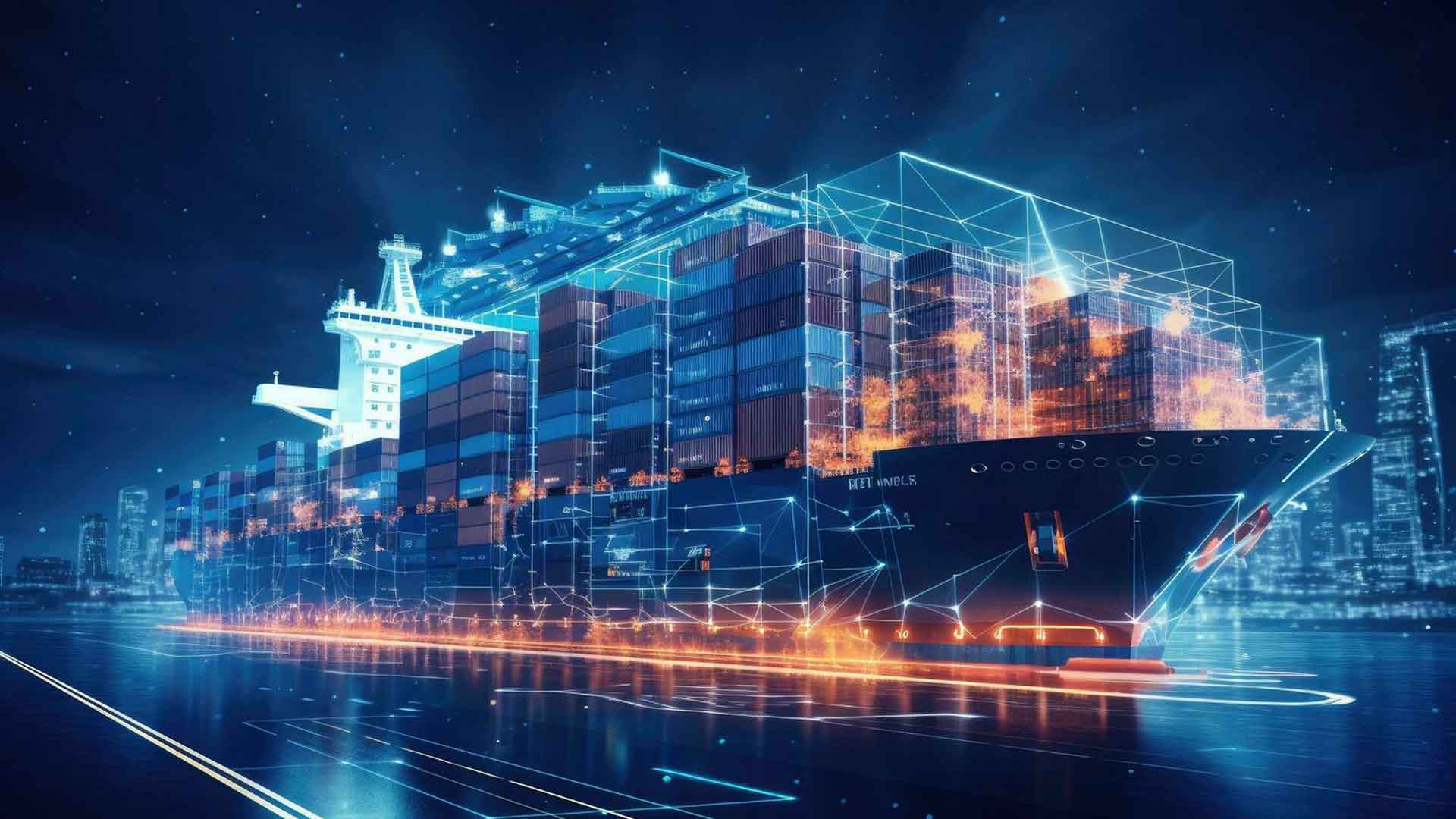
Sea freight china factory shipping encompasses the entire logistical journey of cargo starting from the production line in China to its final destination across the ocean. This process typically begins with the coordination of a container pickup at the supplier facility, followed by inland transportation to a major port like Shanghai or Shenzhen. Moreover, it involves complex coordination between the factory, the freight forwarder, and the ocean carrier to ensure timely loading. Indeed, choosing sea freight is the standard approach for businesses moving bulky items or high-volume orders that do not require immediate delivery.
Furthermore, this shipping method is divided into several service levels depending on the volume of goods being moved. For instance, smaller shipments are often consolidated into shared containers, while larger orders occupy entire units for better security and speed. Therefore, understanding the nuances of factory-to-port logistics is essential for any importer looking to minimize delays and reduce overhead costs. In addition, the integration of digital tracking tools has made it easier than ever to monitor the progress of your cargo as it moves through the international maritime network.
Nevertheless, the success of this operation depends heavily on the accuracy of the initial booking and the efficiency of the factory loading process. If the factory fails to prepare the goods on time, the entire vessel schedule can be disrupted, leading to significant storage fees at the port. Accordingly, clear communication between all parties is the foundation of a successful shipping strategy.
How Does Sea Freight Compare to Other Shipping Options?
Comparing different transportation modes is a critical step in developing a robust supply chain strategy. While ocean transport is the most economical choice for large volumes, it is not always the best fit for time-sensitive cargo. For example, air freight offers significantly faster transit times but comes at a much higher price point per kilogram. Consequently, businesses often use a mix of methods to balance speed and expenditure across their product lines.
On the other hand, rail freight has emerged as a viable middle ground for shipments moving from China to Europe. It provides a faster alternative to the sea route without the extreme costs associated with air transport. However, for routes to North America or Australia, sea freight remains the only realistic option for heavy machinery and bulk consumer goods. To summarize, the choice depends on your specific budget, the nature of your products, and your required delivery window.
Without a doubt, sea freight provides the highest capacity for cargo, making it the preferred choice for industrial equipment and furniture. While air freight costs $15,000 to $25,000 for a large shipment, the same volume via sea might only cost $3,000. In contrast, the transit time for sea freight is measured in weeks rather than days, requiring better inventory planning.
| Sea Freight | $1,500 – $6,000 | 15 – 45 Days | Bulk Goods / FCL |
| Air Freight | $5,000 – $25,000 | 3 – 7 Days | High Value / Urgent |
| Rail Freight | $3,000 – $8,000 | 18 – 25 Days | China to Europe |
| Express | $200 – $2,000 | 2 – 5 Days | Samples / Small Parcels |
Understanding FCL and LCL in Sea Freight China Factory Shipping
Full Container Load (FCL) and Less than Container Load (LCL) are the two primary ways to utilize sea freight china factory shipping services. FCL is generally recommended for shipments that can fill at least 70% of a 20ft or 40ft container. Additionally, FCL offers better security because the container is sealed at the factory and remains unopened until it reaches its destination. As a result, the risk of damage or loss during transshipment is significantly reduced for the importer.
In contrast, LCL involves sharing container space with other shippers, which is ideal for smaller volumes that do not justify the cost of a full unit. Although LCL is more affordable for small batches, it often involves longer transit times due to the consolidation and deconsolidation processes at the ports. Furthermore, handling fees for LCL can be higher on a per-cubic-meter basis compared to FCL. Therefore, calculating the break-even point between these two methods is essential for cost optimization.
Typical rates as of early 2025 suggest that for shipments over 15 cubic meters, switching to FCL often results in a lower total landed cost. Meanwhile, for e-commerce sellers using Amazon FBA, LCL is a common way to restock inventory without overcommitting to massive stock levels. Indeed, the flexibility of LCL allows small businesses to compete on a global scale.
| Cost | Flat rate per container | Per CBM / Weight | FCL for >15 CBM |
| Speed | Faster (Direct) | Slower (Consolidation) | FCL for urgency |
| Security | High (Sealed) | Moderate (Handled) | FCL for fragile |
| Flexibility | Low (Set sizes) | High (Any volume) | LCL for startups |
Key Steps in the Sea Freight China Factory Shipping Process
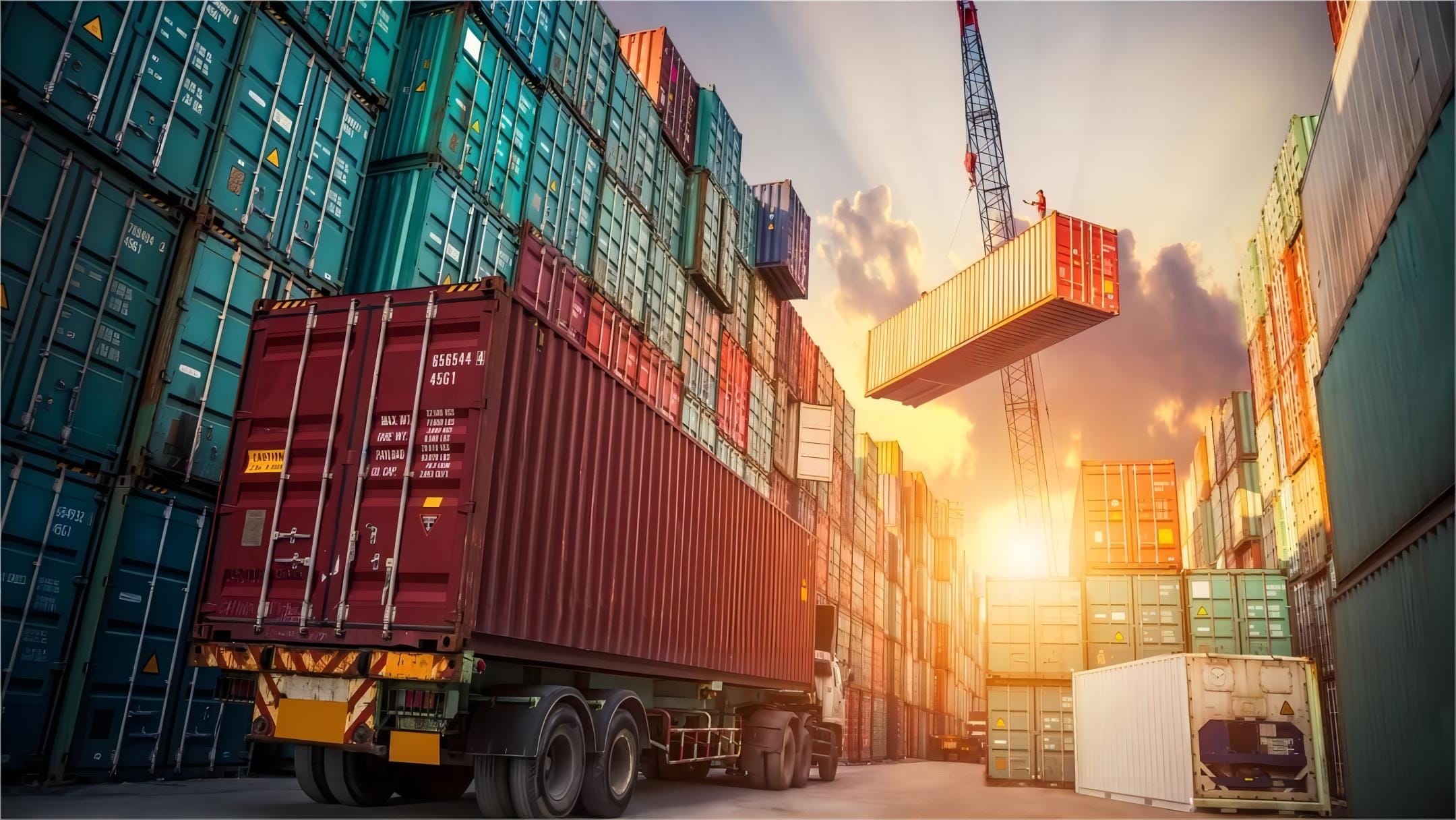
The journey begins with a detailed booking request that includes the cargo dimensions, weight, and the preferred shipping schedule. Once the booking is confirmed, the freight forwarder arranges for an empty container to be delivered to the factory for loading. During this stage, the factory must ensure that the goods are packed securely to withstand the motion of the ocean vessel. Consequently, proper palletizing and bracing are critical to preventing cargo shifts during transit.
After loading, the container is transported to the departure port where it undergoes export customs clearance. This stage requires accurate documentation, including the commercial invoice, packing list, and bill of lading. Indeed, hiring a professional customs brokerage service can prevent costly delays caused by paperwork errors. Once cleared, the container is loaded onto the assigned vessel for its international voyage.
Upon arrival at the destination port, the process reverses with import customs clearance and terminal handling. Finally, the container is trucked to the final warehouse or distribution center for unloading. Throughout this entire process, tracking technology allows you to monitor milestones and anticipate the delivery date. Thus, a well-managed shipping process ensures that your supply chain remains predictable and efficient.
Real World Case Studies: Sea Freight China Factory Shipping
Case Study 1: Electronics from Shenzhen to Los Angeles. A consumer electronics brand shipped 4000 kg of cargo (25 CBM) using a 40GP container. Based on Q4 2024 market rates, the ocean freight cost was $3,200 with a total door-to-door timeline of 22 days. The direct route from Shenzhen to the Port of Los Angeles saved 5 days compared to transshipment options, ensuring the product launch stayed on schedule.
Case Study 2: Furniture from Ningbo to Rotterdam. A retailer imported 15 CBM of wooden furniture via LCL service. The total landed cost was $2,850, including origin charges and destination handling. Transit time took 35 days, including a 4-day consolidation period at the Ningbo port. Despite the longer duration, the LCL method allowed the business to maintain low inventory levels without paying for an entire container.
Case Study 3: Industrial Parts from Shanghai to Sydney. A manufacturing firm required a 20GP container for heavy machinery components. The ocean freight was $1,100 with a total transit time of 16 days. According to industry benchmarks, this route remains one of the most efficient for Australian importers. The key success factor was the factory’s ability to provide accurate weight certificates, which avoided port weighing delays.
Note: Freight rates are subject to change based on fuel costs, carrier capacity, and seasonal demand. Contact us for a current quote tailored to your specific shipment.
Which Option Should You Choose? A Decision Framework
Selecting the right shipping strategy requires a balance between cost, speed, and reliability. If your primary goal is budget optimization, sea freight is almost always the superior choice for shipments over 200 kg. For instance, businesses moving seasonal inventory often plan their orders 3-4 months in advance to take advantage of lower ocean rates. Conversely, if you are dealing with a stockout situation, the speed of air freight might justify the higher expense to keep customers happy.
For cargo type considerations, fragile or high-value items might benefit from FCL even if the volume is low, simply to avoid the extra handling involved in LCL. Additionally, consider the geographical location of your factory and your destination. A factory located far inland in China might incur high trucking costs to reach a seaport, making rail freight a more attractive alternative. Therefore, you should always request a total landed cost estimate before making a final decision.
Market data suggests that rates typically increase by 15-25% during the August to October peak season. Accordingly, savvy importers often book their space several weeks in advance to lock in better pricing. Meanwhile, hybrid solutions like sea-air combinations can offer a compromise when pure sea freight is too slow and air freight is too expensive. By analyzing these variables, you can build a logistics strategy that supports your long-term business growth.
Customs Documentation and Compliance Requirements
Navigating the legal requirements of international trade is one of the most challenging aspects of sea freight china factory shipping. Every shipment must be accompanied by a set of mandatory documents to pass through both Chinese export and local import customs. For example, the Bill of Lading serves as both a receipt for the goods and a contract of carriage. Furthermore, the Certificate of Origin may be required to qualify for preferential tariff rates under specific trade agreements.
In addition to standard paperwork, certain products like chemicals or electronics may require specialized permits or safety data sheets. Failure to provide the correct documentation can lead to heavy fines and the seizure of cargo. Consequently, it is vital to work with a forwarder who understands the specific regulations of your destination country. Indeed, staying compliant is not just about avoiding penalties; it is about ensuring the smooth flow of your goods through the global trade network.
Typical rates for customs clearance services are relatively low compared to the potential cost of delays. Most professional forwarders include basic documentation handling in their service packages. However, you should always verify if your specific product category requires additional inspections or duties. To summarize, being proactive with your paperwork is the best way to prevent unexpected hurdles at the border.
| Commercial Invoice | Value Declaration | Factory / Supplier | Critical |
| Packing List | Content Details | Factory / Supplier | Critical |
| Bill of Lading | Title to Goods | Carrier / Forwarder | Critical |
| Certificate of Origin | Tariff Verification | Supplier / Chamber | High |
Final Thoughts on Sea Freight China Factory Shipping
In conclusion, sea freight china factory shipping offers an unmatched combination of capacity and cost-effectiveness for modern businesses. By understanding the differences between FCL and LCL, and by planning for customs requirements, you can significantly improve your logistics performance. Moreover, choosing a reliable partner ensures that your goods are handled with care from the moment they leave the factory. As global trade continues to evolve, staying informed about market trends and shipping alternatives will remain a critical advantage for successful importers.

Ready to streamline your logistics?
Optimizing your sea freight china factory shipping strategy is the key to reducing costs and improving delivery reliability. Contact our expert logistics team today to receive a customized quote and discover how we can streamline your international supply chain. Visit our website to start your inquiry and let us handle the complexities of your next shipment from China.
Request Quote