

Shipping from China Affordable: Top Strategies for Low-Cost Logistics
Finding ways to keep shipping from china affordable is a primary concern for modern importers. While global logistics costs fluctuate, strategic planning allows businesses to maintain healthy margins. This guide explores the most cost-effective methods to move your cargo without sacrificing reliability. By understanding the nuances of international logistics, you can significantly reduce your landed costs and improve your bottom line.
What Makes Shipping from China Affordable for Your Business?
Achieving low-cost logistics requires a deep understanding of the various factors that influence freight rates. Consequently, many businesses struggle to balance speed and expense when importing goods. To keep shipping from China affordable, you must evaluate your cargo volume, weight, and delivery deadlines. Furthermore, selecting the right partner can make a substantial difference in the final price you pay.
Market conditions in early 2025 suggest that while capacity has stabilized, fuel surcharges remain a variable factor. Therefore, importers should look for consolidated shipping options whenever possible. For instance, combining multiple smaller orders into a single shipment can reduce the per-unit cost significantly. This approach is particularly effective for small to medium enterprises looking to scale their operations.
Moreover, the choice of port can impact your overall expenditure. Some ports in China offer more competitive handling fees than others due to higher traffic volumes. Indeed, choosing a port closer to your manufacturer can also minimize domestic trucking costs within China. Always compare the total door-to-door cost rather than just the ocean or air freight rate.
The Role of Freight Forwarders in Cost Reduction
A professional freight forwarder acts as an intermediary, negotiating better rates with carriers on your behalf. Because they handle large volumes of cargo, they often have access to discounted tiers that individual shippers cannot reach. Additionally, they provide expertise in navigating complex customs regulations, which prevents costly delays. Choosing a reliable partner is the first step toward long-term savings.
How Does Shipping from China Affordable Compare to Other Shipping Options?
When evaluating how to keep shipping from China affordable, it is essential to compare all available transport modes. Each method offers a different balance of price, speed, and reliability. For example, while air freight is the fastest, it is rarely the most economical choice for large volumes. On the other hand, sea freight provides the lowest cost per cubic meter for bulk shipments.
As of Q1 2025, freight rates from China to Europe have stabilized after the 2024 disruptions. Meanwhile, transpacific routes to North America continue to offer competitive pricing for Full Container Load (FCL) shipments. Choosing the right method depends entirely on your specific business needs and inventory turnover rates. Without a doubt, a hybrid approach often yields the best results for complex supply chains.
| Shipping Method | Cost Range | Transit Time | Best For | Limitations |
|---|---|---|---|---|
| Sea Freight (FCL) | $1,500 – $4,500 | 25-40 Days | Bulk goods | Slow speed |
| Air Freight | $5 – $12 per kg | 3-7 Days | High-value items | High cost |
| Rail Freight | $1,200 – $2,800 | 15-22 Days | Mid-range cargo | Limited routes |
| Express Courier | $8 – $15 per kg | 2-5 Days | Samples/Small parcels | Very expensive |

Why Sea Freight is the King of Affordable Shipping
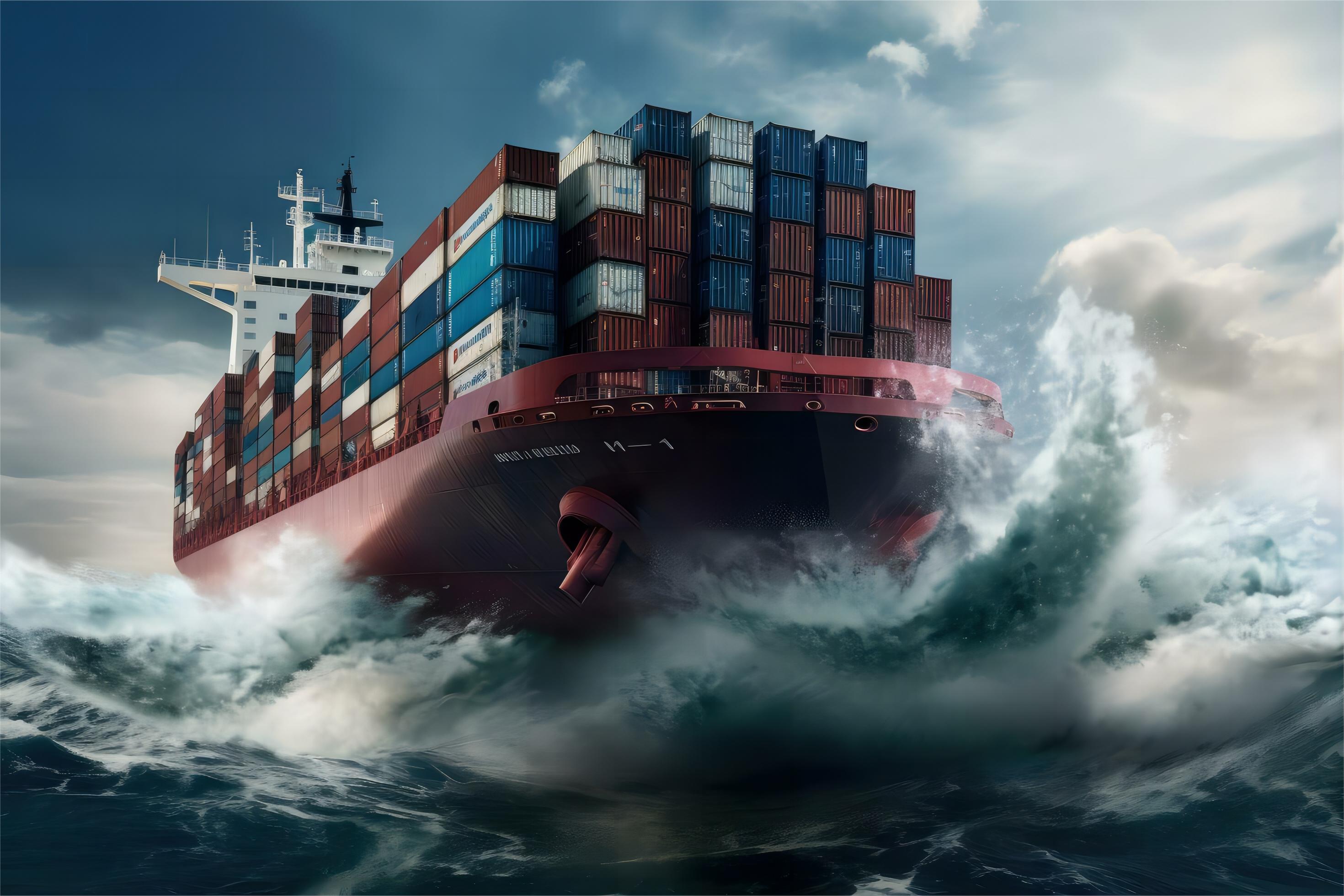
If your primary goal is to minimize expenses, sea freight remains the most viable option. It allows for the transport of massive quantities of goods at a fraction of the cost of air travel. Nevertheless, you must account for longer lead times in your inventory planning. Many successful importers order months in advance to take advantage of these lower rates.
For shipments under 15 CBM, Less than Container Load (LCL) at $50-80/CBM may be more economical than a full container. However, once your volume exceeds 15 CBM, moving to a 20GP container often becomes more cost-effective. This threshold is a critical point for businesses to monitor to ensure they are not overpaying for space. Furthermore, sea freight is less affected by dimensional weight rules compared to air cargo.
Note: Freight rates are subject to change based on fuel costs, carrier capacity, and seasonal demand. Contact us for a current quote tailored to your specific shipment.
Can Rail Freight Provide an Affordable Middle Ground?
For businesses shipping to Europe, rail freight serves as an excellent compromise. It is significantly faster than sea freight and much cheaper than air freight. Consequently, it has become a popular choice for automotive parts and electronics. In addition, rail transport is generally more environmentally friendly than air or sea options.
The transit time for rail from China to major European hubs typically ranges from 15 to 22 days. This speed allows for faster capital turnover compared to the 40-day journey by sea. Meanwhile, the costs remain manageable for most mid-sized businesses. It is important to note that rail freight is not an option for routes to North America or Australia due to geographical constraints.
Strategies for Reducing Air Freight Expenses
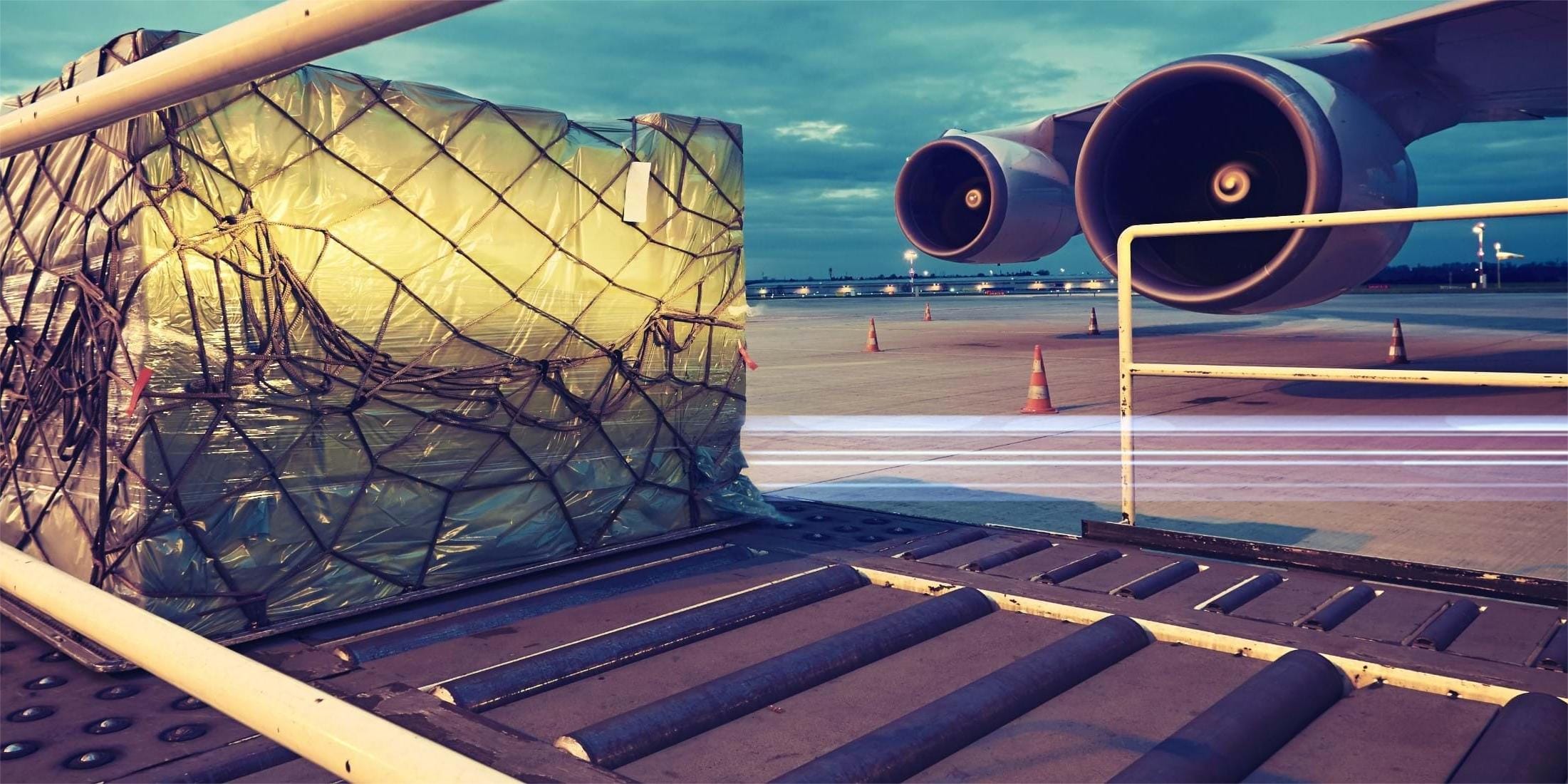
While air freight is typically expensive, there are ways to make it more affordable. For instance, using deferred air services can save you 20-30% compared to standard express options. These services utilize indirect flights with longer transit times but offer the same security as traditional air cargo. Additionally, optimizing your packaging to reduce volumetric weight is crucial.
Carriers calculate air freight costs based on either actual weight or volumetric weight, whichever is higher. Therefore, minimizing empty space in your boxes directly leads to lower shipping bills. Moreover, shipping during off-peak days can sometimes result in lower spot rates. Indeed, flexibility with your delivery schedule is a powerful tool for cost management.
Which Option Should You Choose for Maximum Savings?
Selecting the right method requires a clear decision framework based on your priorities. If budget is your absolute priority, sea freight is almost always the answer. However, if you have a stockout and need goods urgently, air freight becomes a necessary expense. For those shipping to North America, sea freight is the standard for bulk imports.
Budget priority: Recommend Sea Freight (FCL or LCL). Speed priority: Recommend Air Freight or Express. Cargo type considerations: Use Sea Freight for hazardous or heavy machinery. Volume thresholds: Switch from LCL to FCL at approximately 15 CBM for better value. By following these criteria, you can ensure your logistics strategy remains sound and cost-effective.
| Priority | Recommended Method | Key Benefit | Trade-off |
|---|---|---|---|
| Lowest Cost | Sea Freight LCL | Pay only for space used | Longest transit time |
| Balance | Rail Freight | Moderate speed and cost | Geographic limits |
| High Urgency | Air Freight | Arrival in days | Highest price point |
| Bulk Volume | Sea Freight FCL | Lowest unit cost | Requires large capital |
Real-World Case Studies: Making Shipping from China Affordable
Examining real-world examples helps illustrate how different strategies play out in practice. These cases reflect typical market rates as of early 2025 and show how businesses optimize their logistics. Whether you are a small e-commerce seller or a large distributor, these scenarios offer valuable insights. Specifically, they highlight the importance of choosing the right container size and route.
Case Study 1: Electronics from Shenzhen to Los Angeles. Route: Shenzhen to Los Angeles, USA. Cargo: Consumer Electronics, 18 CBM, 4,500 kg. Container: 20GP Full Container. Shipping Details: Carrier: Major transpacific carrier. Port of Loading: Shenzhen. Port of Discharge: Los Angeles. Route Type: Direct. Cost Breakdown: Ocean Freight: $2,100. Origin Charges: $350. Destination Charges: $450. Customs and Duties: $1,200. Total Landed Cost: $4,100. Timeline: Booking to Loading: 4 days. Sea Transit: 16 days. Customs Clearance: 3 days. Total Door-to-Door: 23 days. Key Insight: Using a 20GP instead of LCL saved the client $400 in handling fees.
Case Study 2: Apparel from Ningbo to Hamburg. Route: Ningbo, China to Hamburg, Germany. Cargo: Clothing, 5 CBM, 1,200 kg. Container: LCL. Shipping Details: Carrier: Major carrier. Port of Loading: Ningbo. Port of Discharge: Hamburg. Route Type: Transshipment via Singapore. Cost Breakdown: Ocean Freight: $450. Origin Charges: $200. Destination Charges: $300. Customs and Duties: $800. Total Landed Cost: $1,750. Timeline: Booking to Loading: 5 days. Sea Transit: 33 days. Customs Clearance: 2 days. Total Door-to-Door: 40 days. Key Insight: Consolidating multiple small orders into one LCL shipment kept the unit cost low.
Note: Freight rates are subject to change based on fuel costs, carrier capacity, and seasonal demand. Contact us for a current quote tailored to your specific shipment.
Maximizing Efficiency with Amazon FBA and Door to Door Services
For e-commerce sellers, Amazon FBA shipping requires specific labeling and preparation. Choosing an affordable shipping route to FBA warehouses involves balancing Amazon’s strict deadlines with your budget. Many sellers opt for door to door services to simplify the process. This all-inclusive option covers everything from factory pickup to final delivery.
Furthermore, door-to-door services often include customs clearance, which reduces the risk of unexpected storage fees. While the upfront quote might seem higher, the lack of hidden costs often makes it the most affordable long-term solution. Indeed, having a single point of contact simplifies communication and reduces administrative overhead. This efficiency is vital for maintaining a lean supply chain.
Final Thoughts on Affordable Logistics
In conclusion, making shipping from china affordable is entirely possible with the right strategy and partner. By comparing sea, air, and rail options, you can find the perfect balance for your specific cargo needs. Remember to consider factors like container size, port selection, and consolidation to maximize your savings. Furthermore, staying informed about market trends will help you anticipate price fluctuations. Start planning your next shipment today to take advantage of competitive rates and reliable service.
Ready to streamline your logistics?
Ready to optimize your supply chain and keep your shipping from China affordable? Contact our expert team today for a personalized quote and professional guidance. Send Inquiry
Request Quote