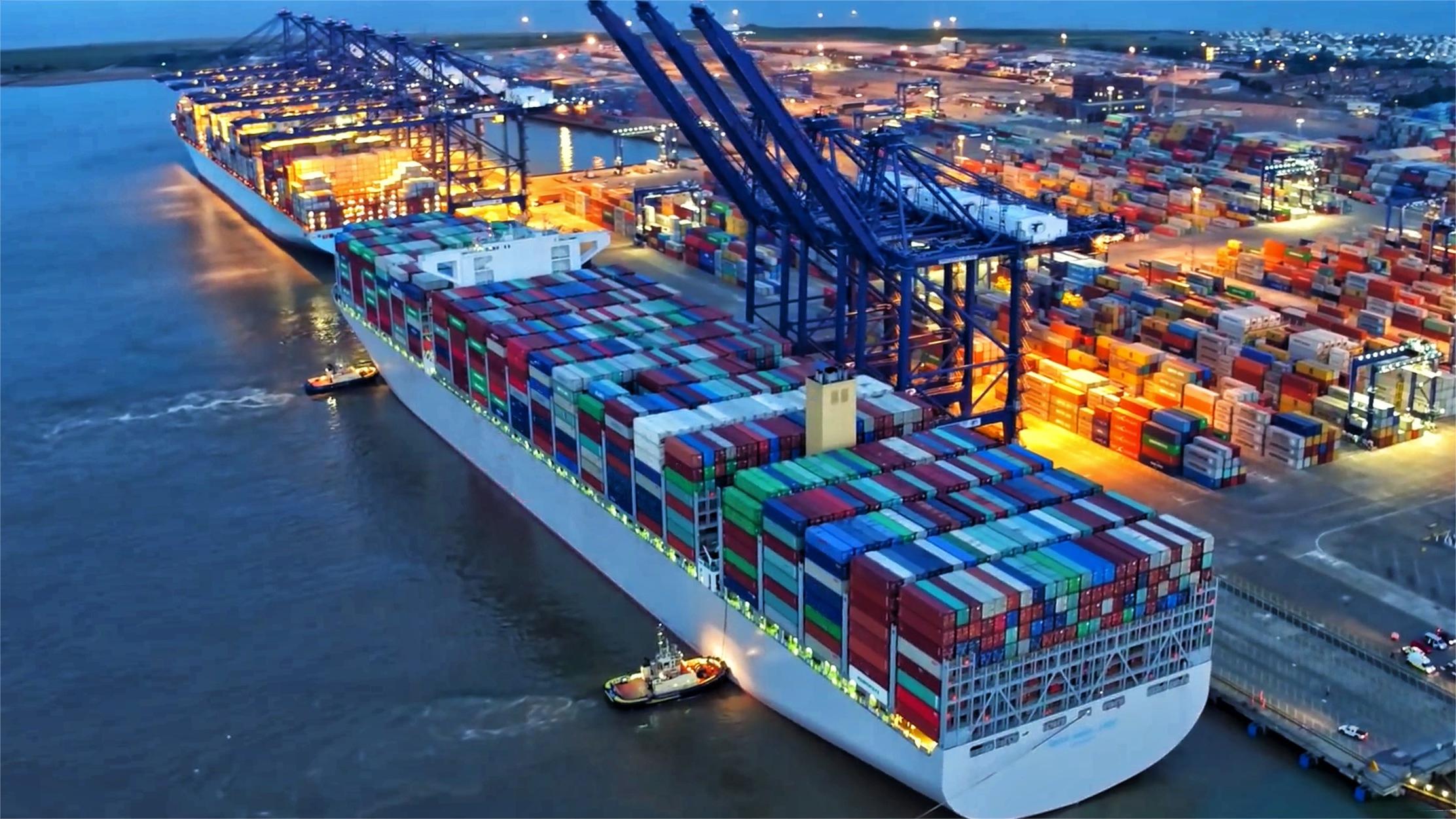
Sea Freight China to France: Your Comprehensive Shipping Guide
Navigating international shipping can be complex, especially when moving goods across continents. For businesses seeking cost-effective and reliable transportation solutions, China Top Freight offers comprehensive services. This guide specifically focuses on **sea freight China to France**, providing essential insights into optimizing your logistics and ensuring a smooth import process.

Why Choose Sea Freight from China to France?
Sea freight remains the backbone of global trade, particularly for large volumes and heavy cargo. When considering shipping from China to France, its affordability compared to air freight makes it an attractive option for many businesses. Furthermore, it offers significant capacity, accommodating everything from raw materials to finished consumer goods.
This method is ideal for companies prioritizing cost efficiency over speed, allowing for substantial savings on overall logistics expenses. Moreover, modern containerization ensures cargo safety and streamlined handling throughout the entire journey, providing peace of mind for importers.
Understanding Key Factors for Sea Freight China to France
Several critical factors influence the success and overall cost of your **sea freight China to France** shipment. Understanding these elements is paramount for effective planning and budgeting. These include freight rates, transit times, customs procedures, and the specific type of cargo being transported.
Indeed, careful consideration of these aspects ensures a predictable and efficient supply chain. Consequently, businesses can minimize unexpected delays and additional costs, leading to greater operational efficiency and improved profitability.
Transit Times and Routes
Typically, **sea freight China to France** takes approximately 28 to 35 days for direct routes, depending on the service. However, transit times can vary based on the specific port of origin in China, the destination port in France, and the chosen shipping line. Transshipment routes, while sometimes offering lower freight rates, often add 5-10 days to the journey.
Major Chinese ports like Shanghai, Ningbo, and Shenzhen frequently serve as departure points. In France, Le Havre, Marseille, and Dunkirk are primary receiving ports. Therefore, selecting the optimal route and carrier is crucial for meeting your delivery schedules and managing customer expectations effectively.
Cost Components of Sea Freight
The total cost of **sea freight China to France** comprises several elements beyond just the ocean freight rate. These include origin charges (e.g., terminal handling, documentation), destination charges (e.g., THC, customs clearance), and often pre-carriage and on-carriage costs. Additionally, fluctuating fuel surcharges (BAF) and currency adjustment factors (CAF) can impact the final price.
For instance, a 40HQ container might cost between $3,000 and $4,200 for ocean freight alone, but total landed costs will be higher once all charges are factored in. Always request a detailed breakdown from your freight forwarder to avoid any hidden fees and ensure budget accuracy.
Note: Freight rates are subject to change based on fuel costs, carrier capacity, and seasonal demand. Contact us for a current quote tailored to your specific shipment.
How Does Sea Freight Compare to Other Shipping Options?
While sea freight is often the most economical choice for large or heavy shipments, alternative methods like air freight and rail freight offer different advantages. Understanding these distinctions is key to making informed logistics decisions for your business. Each option presents unique trade-offs concerning speed, cost, and overall capacity.
Choosing the right method depends heavily on your specific cargo, budget constraints, and the urgency of delivery. For example, urgent, high-value goods might benefit more from faster transit offered by air, despite the significantly higher costs involved.
| Shipping Method | Cost Range (40HQ / equiv.) | Transit Time | Best For | Limitations |
|---|---|---|---|---|
| Sea Freight (FCL) | $3,000 – $4,200 | 28-35 days | Large, heavy, non-urgent cargo | Slowest transit, potential port congestion |
| Sea Freight (LCL) | $50-80/CBM | 30-40 days | Smaller volumes (under 15 CBM) | Slower than FCL, more handling, higher per CBM rate |
| Air Freight | $15,000 – $25,000 | 5-7 days | Urgent, high-value, small cargo | Very high cost, strict volume/weight limits |
| Rail Freight (China-Europe) | $8,000 – $12,000 | 18-22 days | Time-sensitive, medium-volume cargo | Limited routes, higher than sea, less flexible |

FCL vs. LCL: Which Container Option is Right for You?
When opting for **sea freight China to France**, you’ll typically choose between Full Container Load (FCL) and Less than Container Load (LCL). Your decision hinges on cargo volume, budget, and desired control over the shipment. Each option presents distinct benefits and drawbacks for importers.
Selecting the appropriate containerization method directly impacts both cost efficiency and your overall delivery schedule. Consequently, a clear understanding of your shipment’s characteristics and requirements is essential for making the most suitable choice.
Full Container Load (FCL)
FCL means your cargo occupies an entire shipping container, typically a 20GP, 40GP, or 40HQ. This option is generally more cost-effective for larger shipments, usually exceeding 15 CBM. Moreover, it often offers faster transit times as there’s no need for consolidation or deconsolidation with other cargo.
Using FCL sea freight minimizes handling, thereby reducing the risk of damage or loss during transit. Therefore, if your volume justifies it, FCL provides greater security and efficiency for your **sea freight China to France** needs, offering a dedicated space for your goods.
Less than Container Load (LCL)
LCL involves sharing container space with other shippers’ cargo. This is an excellent solution for smaller volumes, generally under 15 CBM, where an FCL would be uneconomical. Although LCL is more affordable per shipment, the cost per cubic meter can be higher due to consolidation fees and additional handling.
While LCL offers flexibility for smaller businesses, it often entails longer transit times due to extra handling at both origin and destination ports. Nevertheless, it remains a viable and popular option for many importers looking to ship smaller quantities from China to France cost-effectively.
Essential Documentation and Customs Clearance for France
Successful **sea freight China to France** hinges on meticulous documentation and smooth customs clearance processes. Incorrect or incomplete paperwork can lead to significant delays, penalties, and unexpected costs. Therefore, understanding the requirements is non-negotiable for all importers.
Proper preparation ensures your goods move efficiently through French customs, avoiding costly demurrage and detention charges at the port. Furthermore, partnering with an experienced Customs Brokerage service can significantly simplify this complex process, ensuring compliance and speed.
| Document | Purpose | Notes |
|---|---|---|
| Bill of Lading (B/L) | Contract of carriage and title to goods | Issued by carrier, crucial for cargo release |
| Commercial Invoice | Details goods value for customs valuation | Must accurately reflect transaction value |
| Packing List | Itemizes contents, weight, and dimensions | Aids customs inspection and cargo verification |
| Certificate of Origin | Confirms country of manufacture | May qualify goods for preferential tariffs or duties |
| Import License | Required for specific regulated items | Check French regulations for your product category |
Navigating Door-to-Door Sea Freight Services
For ultimate convenience and streamlined logistics, many businesses opt for door-to-door shipping services. This comprehensive solution covers the entire journey from your supplier’s factory in China to your warehouse or final destination in France. It simplifies the shipping process significantly, reducing your workload.
A single freight forwarder manages all aspects, including pick-up, ocean freight, customs clearance, and final delivery. Consequently, this integrated approach reduces administrative burden and potential points of failure, offering unparalleled peace of mind for international trade operations.
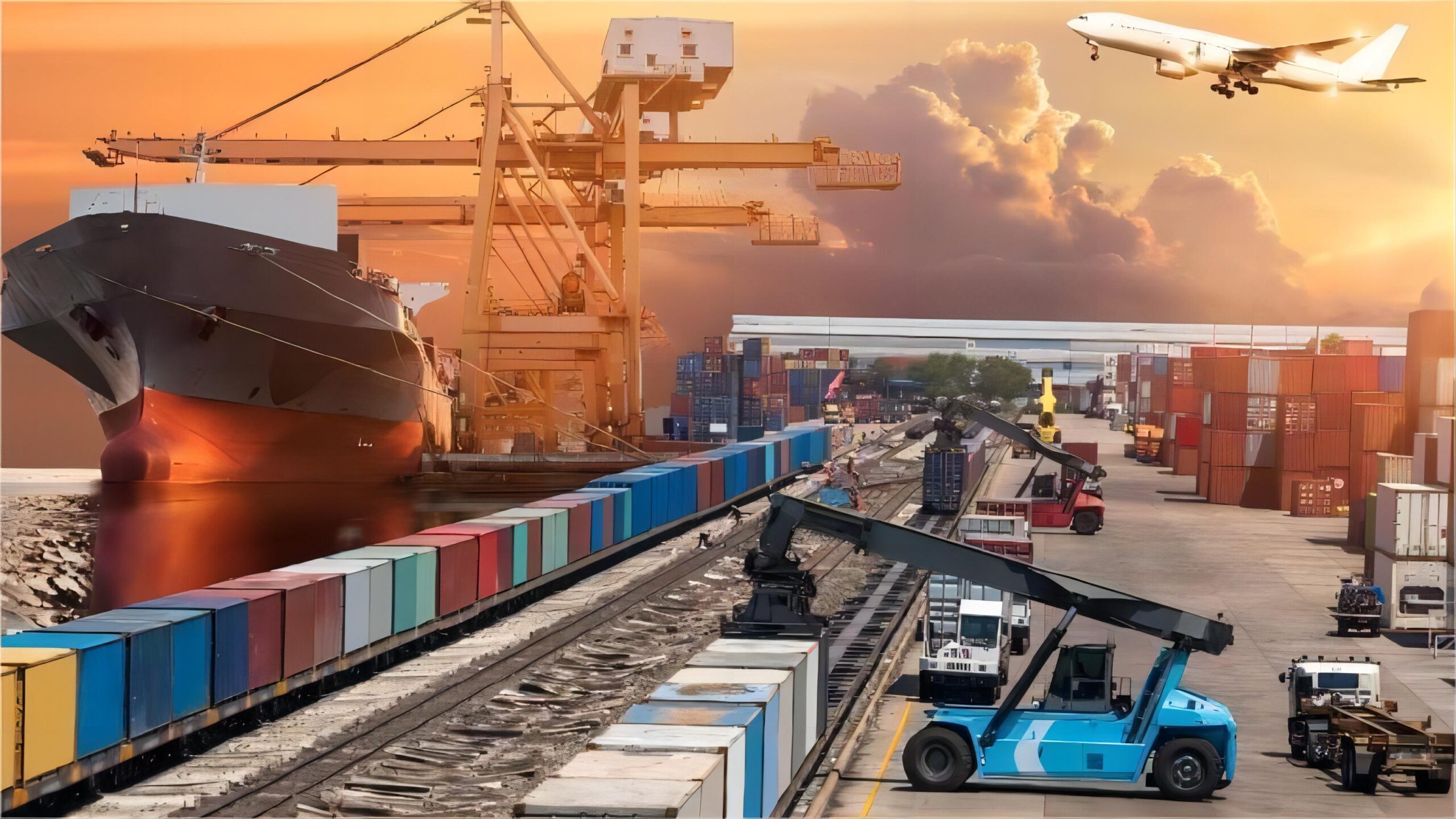
Real-World Scenarios: Sea Freight China to France Case Studies
Examining practical examples helps illustrate the complexities and solutions involved in **sea freight China to France**. These case studies highlight various cargo types, shipping methods, and the outcomes achieved. They demonstrate how different choices impact cost and transit time, providing tangible insights.
Case Study 1: Large Volume Retail Goods
This scenario involved a European retailer importing a substantial quantity of consumer electronics during a peak season.
| Detail | Value |
|---|---|
| Route | Shenzhen, China Le Havre, France |
| Cargo | Assorted consumer electronics, 60 CBM, 15,000 kg |
| Container | 2 x 40HQ |
| Carrier/Service | Major carrier (e.g., COSCO, MSC) |
| Port of Loading | Shenzhen |
| Port of Discharge | Le Havre |
| Route Type | Direct |
| Ocean Freight | $7,800 (2x40HQ) |
| Origin Charges | $700 |
| Destination Charges | $950 |
| Customs & Duties (estimated) | $1,500 |
| Total Landed Cost | $10,950 |
| Booking to Loading | 5 days |
| Sea Transit | 30 days |
| Customs Clearance | 3 days |
| Total Door-to-Door | 38 days |
| Key Insight | Despite Q4 peak season, direct FCL maintained reasonable transit and cost efficiency for high-volume goods. Early booking was crucial. (Estimated Q4 2024 rates) |
Case Study 2: Small Business LCL Shipment
A small e-commerce business needed to import fashion accessories, a smaller volume that didn’t justify a full container.
| Detail | Value |
|---|---|
| Route | Ningbo, China Marseille, France |
| Cargo | Fashion accessories, 8 CBM, 1,200 kg |
| Container | LCL 8 CBM |
| Carrier/Service | Consolidated LCL service |
| Port of Loading | Ningbo |
| Port of Discharge | Marseille |
| Route Type | Transshipment via Singapore |
| Ocean Freight | $640 ($80/CBM) |
| Origin Charges | $250 |
| Destination Charges | $380 |
| Customs & Duties (estimated) | $450 |
| Total Landed Cost | $1,720 |
| Booking to Loading | 7 days |
| Sea Transit | 38 days |
| Customs Clearance | 4 days |
| Total Door-to-Door | 49 days |
| Key Insight | LCL provided a cost-effective solution for a smaller shipment, though transshipment added to transit time. Pre-clearing customs expedited final delivery. (Estimated Q1 2025 rates) |
Case Study 3: Industrial Equipment via FCL
An industrial firm required specialized heavy machinery parts, emphasizing secure transport and predictable delivery.
| Detail | Value |
|---|---|
| Route | Qingdao, China Dunkirk, France |
| Cargo | Heavy machinery parts, 25 CBM, 22,000 kg |
| Container | 1 x 20GP |
| Carrier/Service | Major carrier (e.g., CMA CGM, Evergreen) |
| Port of Loading | Qingdao |
| Port of Discharge | Dunkirk |
| Route Type | Direct |
| Ocean Freight | $2,200 |
| Origin Charges | $450 |
| Destination Charges | $600 |
| Customs & Duties (estimated) | $800 |
| Total Landed Cost | $4,050 |
| Booking to Loading | 6 days |
| Sea Transit | 32 days |
| Customs Clearance | 3 days |
| Total Door-to-Door | 41 days |
| Key Insight | Heavy cargo required careful loading planning and specialized equipment. A direct FCL route ensured minimal handling and predictable delivery for critical industrial equipment. (Estimated Q2 2025 rates) |
Optimizing Your Shipping Strategy: Which Option Should You Choose?
Deciding on the best shipping method for your goods from China to France involves weighing various factors. A strategic approach considers budget, urgency, cargo characteristics, and overall supply chain goals. There is no one-size-fits-all solution, as each business has unique needs.
Evaluating your priorities will guide you towards the most suitable and efficient logistics solution. Therefore, careful assessment and consultation with experts are paramount for successful international trade and optimized freight forwarding.
Budget Priority
If minimizing costs is your primary concern, **sea freight China to France** (especially LCL for smaller volumes or FCL for larger) is usually the optimal choice. It offers the lowest cost per unit for most goods, making it highly attractive for bulk imports. However, be prepared for longer transit times.
For example, consolidating multiple smaller orders into a single LCL shipment can further reduce expenses. Nevertheless, always factor in potential warehousing costs at destination due to longer lead times, which might offset some initial savings.
Speed Priority
When time is of the essence, air freight is unmatched for speed, delivering goods in 5-7 days. For a balance between speed and cost, rail freight offers a quicker alternative to sea, typically 18-22 days, particularly for shipments to central Europe.
Consider express services for extremely urgent, small parcels or critical samples. Despite higher costs, the rapid delivery can prevent stockouts, meet tight deadlines for critical components, or facilitate quick market entry for new products.
Cargo Type and Volume Considerations
The nature and volume of your cargo significantly influence the best shipping method. Heavy, bulky, or non-perishable goods are ideally suited for sea freight due to its capacity and cost-effectiveness. Conversely, fragile, high-value, or time-sensitive items might warrant air freight for better protection and faster delivery.
For volumes between 15-20 CBM, the choice between LCL and FCL becomes critical. Often, a 20GP FCL might be only slightly more expensive than LCL for such volumes, offering better security, faster transit times, and reduced handling risks. Always compare specific quotes.
Partnering with a Reliable Freight Forwarder
Collaborating with an experienced freight forwarder is indispensable for successful **sea freight China to France**. A reputable partner handles the complexities of international logistics, from booking vessel space to navigating intricate customs regulations. This expertise is invaluable for businesses of all sizes, especially those new to importing.
A good freight forwarder offers end-to-end solutions, including cargo insurance, warehousing, and local distribution services. Therefore, choosing the right partner ensures a seamless and stress-free shipping experience, allowing you to focus on your core business operations while your goods are expertly managed.
Conclusion
In conclusion, **sea freight China to France** offers a compelling balance of cost-effectiveness and capacity for most international trade requirements. By understanding the nuances of transit times, cost components, essential documentation, and strategically choosing between FCL and LCL, businesses can significantly optimize their supply chain. Partnering with a trusted freight forwarder like China Top Freight further ensures a smooth and successful shipping experience, from the port of origin to the final destination in France.
Get Your Shipping Quote Today
Ready to streamline your **sea freight China to France** operations? Contact us today for a personalized quote and expert guidance on your next shipment. Our team at China Top Freight is dedicated to providing efficient, reliable, and cost-effective logistics solutions tailored to your business needs.
Request Quote