

Solving Container Shortage for FCL Shipping China to Houston
The persistent container shortage significantly impacts global trade, especially for businesses relying on FCL shipping from China to Houston. This challenge often leads to increased freight rates, extended transit times, and disrupted supply chains. However, understanding the market dynamics and implementing strategic solutions can help overcome these hurdles. Discover comprehensive strategies to navigate these complexities and ensure your cargo reaches its destination efficiently with China Top Freight.
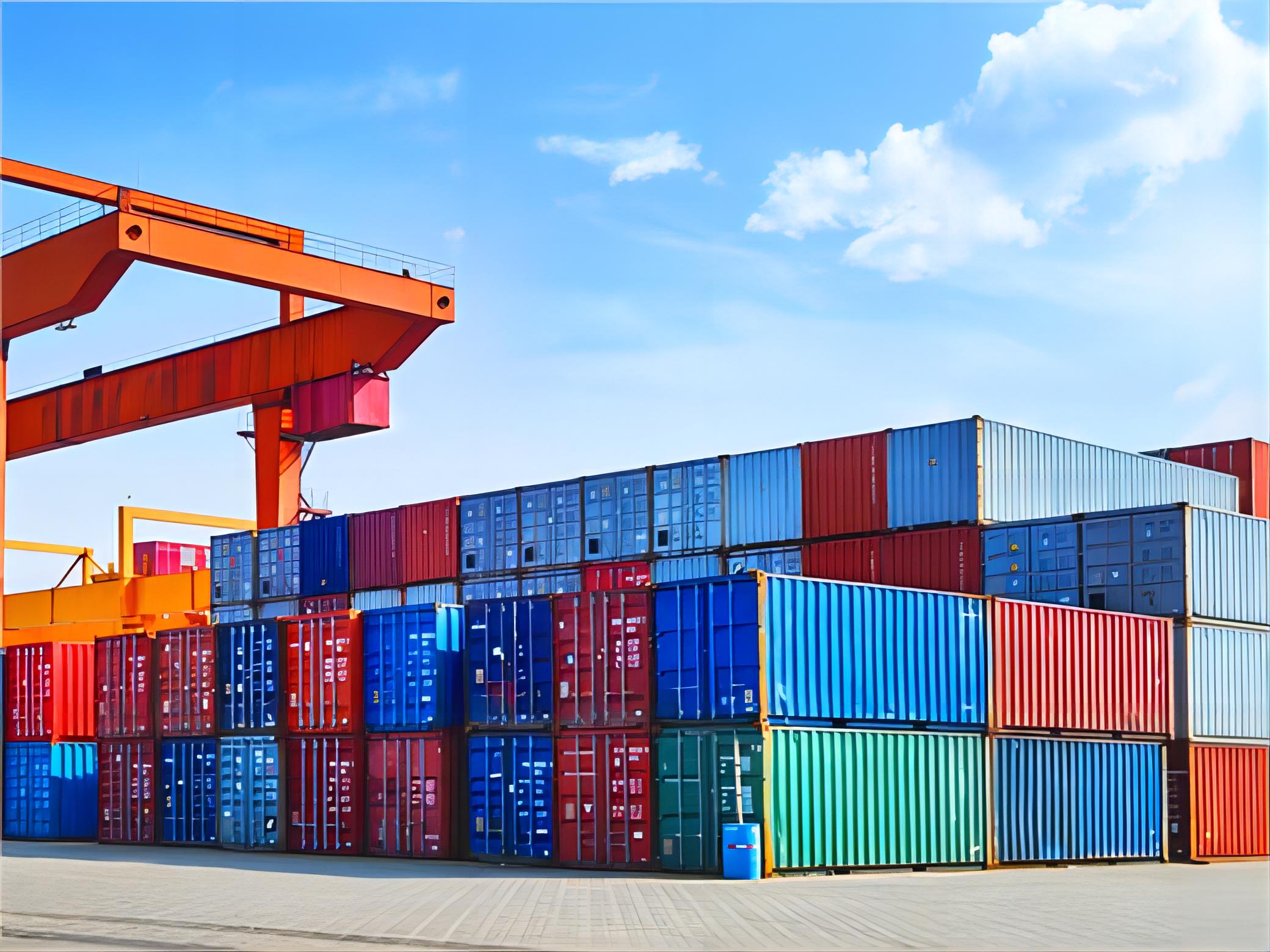
Understanding the FCL Container Shortage Challenge to Houston
Indeed, the global supply chain has faced unprecedented disruptions in recent years. Specifically, the container shortage for FCL shipping from China to Houston has become a significant concern for many importers. This situation directly impacts `FCL container availability China to Houston` and overall `logistics challenges China to USA`.
Consequently, factors like port congestion, increased consumer demand, and equipment imbalance contribute to this ongoing issue. These elements collectively lead to higher `shipping costs` and unpredictable `transit time` frames. Therefore, businesses must adopt proactive strategies to mitigate these risks effectively.
Key Strategies to Mitigate FCL Container Shortages
Effectively addressing the container shortage requires a multi-faceted approach. Implementing strategic planning and leveraging expert knowledge can significantly improve your `delivery schedule` reliability. Moreover, these strategies help optimize your import/export operations.
Early Booking and Flexible Scheduling
Firstly, securing your container space well in advance is paramount. Booking your FCL shipments weeks ahead, especially during peak seasons, can prevent last-minute scrambling. Furthermore, maintaining flexibility with departure dates allows for adapting to sudden changes in `vessel capacity`.
Additionally, a flexible approach can help avoid premium rates associated with urgent bookings. This proactive measure is a cornerstone for `reducing shipping delays China-Houston` and managing expectations effectively.
Exploring Alternative Port Options
Consider alternative ports of entry in the US Gulf or even the West Coast with subsequent rail transport. While Houston is a primary destination, other ports might offer better container availability at certain times. Nevertheless, this requires careful analysis of inland `freight rates` and `transit time` implications.
For instance, shipping to a port like Mobile or New Orleans could sometimes provide a `cost-effective FCL solution`. This approach diversifies your options and reduces reliance on a single, potentially congested trade lane.
Leveraging Advanced Logistics Networks
Partnering with a freight forwarder that possesses a robust global network is crucial. Such partners have access to broader carrier options and can often find available containers when others cannot. They also provide essential customs brokerage services, streamlining the import process.
Indeed, their expertise in `cargo handling` and supply chain management becomes invaluable. They help navigate complex regulations and ensure smooth operations from origin to destination.
Optimizing Your Supply Chain for China-Houston FCL Routes
A resilient `supply chain` is fundamental to overcoming FCL shipping challenges. Optimizing every stage, from sourcing to final delivery, contributes to greater efficiency. This strategic approach minimizes disruptions and enhances overall operational flow.
Consolidating Shipments Effectively
For smaller volumes that do not fully utilize an FCL container, consider consolidating multiple LCL (Less than Container Load) shipments into a single FCL. This can sometimes be a more `cost-effective FCL solution` than paying for multiple LCL bookings. Conversely, if your volume is consistently small, LCL might be more economical.
However, careful planning is required to ensure all consolidated cargo is ready for shipment simultaneously. This approach reduces overall `container pricing China to Houston` per unit and maximizes space utilization.
Utilizing Different Container Types
While standard dry containers are most common, exploring alternatives like open-top or flat-rack containers for specialized cargo can be beneficial. Sometimes, these less common types have better availability. Nevertheless, their usage depends on the specific dimensions and nature of your goods.
Additionally, understanding the nuances of each container type helps in making informed decisions. This flexibility can unlock new possibilities when standard containers are scarce.
Implementing Amazon FBA Solutions
For e-commerce businesses, direct shipping to Amazon FBA warehouses can streamline logistics. Utilizing Amazon FBA services simplifies the final leg of the journey. This method often integrates with freight forwarding services, ensuring efficient delivery to designated fulfillment centers.
Moreover, this reduces the need for intermediate warehousing and associated handling. Consequently, it can improve overall `delivery schedule` and reduce potential delays.

How Does Sea Freight Compare to Alternative Shipping Options?
When considering `FCL shipping from China to Houston`, it is essential to evaluate all viable transportation methods. Each option presents unique trade-offs in terms of `shipping costs`, `transit time`, and capacity. Therefore, understanding these differences is crucial for informed decision-making.
While sea freight remains the backbone for large volumes, other options might suit specific needs. Here is a comprehensive comparison of the main alternatives.
| Shipping Method | Cost Range (40HQ China-Houston) | Transit Time (China-Houston) | Best For | Limitations |
|---|---|---|---|---|
| FCL Sea Freight | $4,000 – $6,000 | 30-35 days | Large volumes, heavy goods, cost-efficiency | Long transit times, port congestion risk |
| LCL Sea Freight | $50 – $80 per CBM (total higher than FCL for >15CBM) | 35-45 days | Smaller volumes (under 15 CBM), cost-efficiency | Longer transit, more handling, potential for delays |
| Air Freight | $15,000 – $25,000+ | 5-7 days | Urgent, high-value, perishable goods | Very high cost, volume/weight restrictions, environmental impact |
| Sea-Air Combined | $8,000 – $12,000 | 15-20 days | Moderate urgency, balance of cost/speed | More complex logistics, limited availability, specific routes |

Which Shipping Option Should You Choose for Your Cargo?
Selecting the optimal shipping method depends heavily on your business priorities and specific cargo requirements. A clear decision framework helps align your logistics strategy with your operational goals. Evaluate these factors carefully to make the best choice.
Budget-Driven Decisions
If `shipping costs` are your primary concern, FCL sea freight is almost always the most economical option for large volumes. For shipments under 15 CBM, LCL sea freight can offer a `cost-effective FCL solution` by only paying for the space used. However, be mindful of the longer `transit time`.
Indeed, minimizing `freight rates` often means accepting extended delivery periods. This approach is ideal for non-time-sensitive goods with robust inventory management.
Time-Sensitive Shipments
For urgent deliveries, air freight offers the fastest `transit time`, typically 5-7 days from China to Houston. This method is suitable for high-value goods, critical components, or fast-moving consumer products. However, the cost is significantly higher.
Alternatively, a sea-air combination can provide a balance, reducing `transit time` compared to pure sea freight without the extreme costs of direct air freight. This hybrid approach is an `expedited shipping option China-Houston`.
Cargo Type and Volume Considerations
The nature and volume of your cargo play a crucial role. FCL is ideal for volumes exceeding 15-20 CBM, as it offers dedicated container space and generally better `container pricing China to Houston`. For hazardous materials or oversized cargo, specialized container types might be necessary. Conversely, LCL is perfect for smaller, less-than-full container loads.
Therefore, accurately assessing your cargo dimensions and weight is vital. This ensures you select the most appropriate container size and avoid unnecessary expenses.
Hybrid Solutions for Balance
Sometimes, a combination of methods offers the best compromise. For example, using express service for samples or critical parts, while the bulk of the order goes by sea freight. This strategy balances speed and cost effectively.
Moreover, `door-to-door FCL delivery Houston` services often integrate various modes of transport. This ensures seamless movement from the factory floor to your warehouse.
Real-World Solutions: Case Studies in FCL Shipping to Houston
Examining real-world scenarios provides valuable insights into navigating the complexities of FCL shipping from China to Houston. These examples highlight practical strategies and outcomes. They demonstrate how effective planning and execution can overcome common challenges.
Note: Freight rates are subject to change based on fuel costs, carrier capacity, and seasonal demand. Contact us for a current quote tailored to your specific shipment.
Case Study 1: Electronics Shipment from Shanghai to Houston
This case illustrates the importance of early planning for high-demand goods. `Booking FCL containers to Houston` in advance secured critical space.
| Detail | Description |
|---|---|
| Route | Shanghai, China -> Houston, USA |
| Cargo | Consumer electronics, 60 CBM, 12,000 kg |
| Container | 40HQ |
| Shipping Details | Carrier: COSCO, Port of Loading: Shanghai, Port of Discharge: Houston, Route Type: Direct |
| Cost Breakdown | Ocean Freight: $4,800, Origin Charges: $450, Destination Charges: $500, Customs & Duties (est.): $1,200, Total Landed Cost: $6,950 (Based on Q4 2024 market rates) |
| Timeline | Booking to Loading: 7 days, Sea Transit: 32 days, Customs Clearance: 3 days, Total Door-to-Door: 42 days |
| Key Insight | Early booking secured space during peak season, avoiding premium rates and ensuring timely delivery. |
Case Study 2: Textile Import from Ningbo to Houston
This example demonstrates how strategic routing can offer cost benefits. Choosing a transshipment option provided a `cost-effective FCL solution`.
Furthermore, it highlights the trade-off between speed and cost, a common consideration in `logistics trends`.
| Detail | Description |
|---|---|
| Route | Ningbo, China -> Houston, USA |
| Cargo | Apparel textiles, 55 CBM, 10,000 kg |
| Container | 40GP |
| Shipping Details | Carrier: MSC, Port of Loading: Ningbo, Port of Discharge: Houston, Route Type: Transshipment via Busan |
| Cost Breakdown | Ocean Freight: $4,200, Origin Charges: $400, Destination Charges: $480, Customs & Duties (est.): $950, Total Landed Cost: $6,030 (Typical rates as of early 2025) |
| Timeline | Booking to Loading: 5 days, Sea Transit: 38 days, Customs Clearance: 4 days, Total Door-to-Door: 49 days |
| Key Insight | Opting for a transshipment route offered cost savings, albeit with slightly longer transit time, suitable for planned inventory. |
Case Study 3: Machinery Components from Shenzhen to Houston
This case emphasizes the importance of efficient `customs clearance` for specialized goods. Proactive coordination with brokers was key.
Moreover, it showcases how attention to detail in `cargo handling` impacts the overall `delivery schedule`.
| Detail | Description |
|---|---|
| Route | Shenzhen, China -> Houston, USA |
| Cargo | Small machinery parts, 65 CBM, 15,000 kg |
| Container | 40HQ |
| Shipping Details | Carrier: Maersk, Port of Loading: Shenzhen, Port of Discharge: Houston, Route Type: Direct |
| Cost Breakdown | Ocean Freight: $5,100, Origin Charges: $480, Destination Charges: $520, Customs & Duties (est.): $1,500, Total Landed Cost: $7,600 (Based on Q3 2024 market rates) |
| Timeline | Booking to Loading: 6 days, Sea Transit: 30 days, Customs Clearance: 3 days, Total Door-to-Door: 41 days |
| Key Insight | Close coordination with customs brokers facilitated swift clearance for specialized components, minimizing potential delays. |

Cost-Saving Tips and Market Insights for Your Shipments
Beyond choosing the right shipping method, several strategies can further optimize your `shipping costs` and improve efficiency. Staying informed about `logistics trends` and market conditions is vital for making sound decisions. These insights can lead to significant savings.
According to industry benchmarks, proactive management of your logistics can reduce overheads by 10-15% annually. Therefore, continuous monitoring and adjustment are key.
Understanding Peak Season Surcharges
Rates typically increase 15-25% during August-October peak season due to high demand. Additionally, major holidays in China, such as Chinese New Year, can cause significant disruptions and rate hikes. Planning around these periods or `managing peak season shipping from China` proactively is essential for avoiding inflated `freight rates`.
Consequently, consider shipping inventory ahead of time or utilizing less congested periods. This foresight can lead to substantial savings on your `container pricing China to Houston`.
Negotiating Better Rates
Building long-term relationships with freight forwarders can lead to better negotiated rates and preferential treatment. High volume shippers often secure more favorable contracts. Moreover, transparent communication about your shipping volume and consistency can strengthen your negotiating position.
Indeed, loyalty and consistent business are often rewarded with competitive pricing structures. This partnership approach fosters mutual benefits.
Minimizing Demurrage and Detention
Demurrage and detention fees accrue when containers are not picked up or returned within the free time allocated by carriers. Efficient planning for `customs clearance` and timely inland transport is crucial to avoid these costly charges. Therefore, precise `delivery schedule` coordination is paramount.
Furthermore, utilizing door-to-door services can help manage these timelines. This ensures the entire process is handled by a single, accountable party.
Partnering with a Reliable Freight Forwarder
In conclusion, navigating the complexities of a `container shortage solution for FCL shipping from China to Houston` is significantly eased with an experienced freight forwarder. A reputable partner offers invaluable expertise, an extensive network, and proactive problem-solving capabilities. They effectively manage the intricacies of international `import/export`.
Such a partnership ensures seamless `cargo handling`, efficient `customs` processes, and optimized `transit time`. They are dedicated to providing stable and predictable `delivery schedule` even amidst market volatility. This allows you to focus on your core business operations.
Conclusion
Ultimately, a proactive approach and strategic partnerships are essential for finding a `container shortage solution for FCL shipping from China to Houston`. By understanding market dynamics, exploring alternative shipping methods, and optimizing your supply chain, you can effectively mitigate risks. Partnering with experienced logistics providers ensures your cargo moves smoothly, even in challenging times.
Therefore, continuous adaptation and informed decision-making will empower your business to thrive in a dynamic global trade environment. We are committed to supporting your success.
Ready to streamline your logistics?
Navigating the complexities of `container shortage solution for FCL shipping from China to Houston` requires expert guidance. Contact our team today for a personalized quote and strategic advice. Let us help streamline your logistics and ensure efficient, reliable delivery for your next shipment.
Request Quote