

Securing 40GP FCL Space for Textiles from China to Spain
Navigating the complexities of international shipping, especially securing optimal freight solutions for textiles, presents significant challenges. Many businesses struggle with fluctuating 40GP FCL space availability for textiles from China to Spain, impacting their supply chain reliability and costs. This comprehensive guide offers essential insights and strategies to help you efficiently manage your textile imports.

Understanding 40GP FCL Shipping for Textile Imports
A 40GP FCL (Forty-foot General Purpose Full Container Load) is a cornerstone for large-volume textile shipments. This container type offers approximately 67.7 CBM of usable space, making it highly efficient for bulk fabric rolls or finished apparel. Moreover, it ensures your goods remain exclusively within one container, enhancing security and reducing handling risks.
Choosing FCL for textiles provides several advantages. Firstly, it offers dedicated space, preventing co-mingling with other shippers’ cargo. Secondly, it often translates to lower per-unit shipping costs compared to less-than-container-load (LCL) options for substantial volumes. This method is therefore preferred for maintaining supply chain integrity and optimizing transport expenses for significant textile consignments.
Current 40GP FCL Space Availability from China to Spain
The availability of 40GP FCL space for textiles from China to Spain is subject to constant market dynamics. Factors such as global demand, seasonal peaks, and geopolitical events significantly influence capacity. For instance, the recent Red Sea disruptions have rerouted many vessels, consequently extending transit times and tightening space on direct routes to Europe.
Typically, peak shipping seasons, like pre-Chinese New Year and the Q3-Q4 holiday rush, lead to reduced space and higher rates. Therefore, securing your 40GP FCL bookings well in advance is crucial. Staying informed about market conditions and booking strategically can help mitigate the impact of fluctuating availability and ensure smoother textile imports.
Furthermore, port congestion in major Chinese export hubs (e.g., Shanghai, Ningbo, Shenzhen) and key Spanish import gateways (e.g., Valencia, Barcelona) can also affect space. This congestion often leads to delays and impacts the overall delivery schedule. It is vital to work with a freight forwarder who has strong carrier relationships to navigate these challenges effectively.
Navigating Freight Rates and Costs for Textile Shipments
Understanding the various components of shipping costs is paramount when importing textiles. Freight rates for a 40GP FCL from China to Spain are influenced by numerous variables, including fuel surcharges, port handling fees, and seasonal demand. Current market rates for a 40GP from China to Europe typically range from $2,800 to $3,800, though these figures can fluctuate.
In addition to the base ocean freight, shippers must account for origin charges (e.g., THC, documentation, customs clearance), destination charges (e.g., port fees, drayage), and potential customs duties and taxes in Spain. These additional fees can significantly impact the total landed cost of your textile goods. Engaging a reliable partner for sea freight is essential for transparent pricing.
Note: Freight rates are subject to change based on fuel costs, carrier capacity, and seasonal demand. Contact us for a current quote tailored to your specific shipment.
| Cost Component | Description | Typical Range (USD) |
|---|---|---|
| Ocean Freight | Base charge for container transport | $2,800 – $3,800 |
| Origin Charges | Handling, documentation, export customs | $300 – $600 |
| Destination Charges | Port fees, unloading, drayage | $400 – $800 |
| Customs Duties/Taxes | Import duties, VAT in Spain (estimated) | Variable (based on HS code, value) |

Transit Times and Delivery Schedules to Spain
The transit time for 40GP FCL shipments of textiles from China to Spain typically ranges from 28 to 35 days. This duration primarily covers the sea voyage between major ports. However, several factors can extend this timeline, including vessel routing, weather conditions, and port congestion at either end.
Chinese ports like Shanghai, Ningbo, and Shenzhen are key departure points for textile exports. In Spain, Valencia, Barcelona, and Algeciras are the main receiving ports. Therefore, selecting the most efficient port combination can help optimize your delivery schedule. Always inquire about direct services versus routes involving transshipment, as the latter can add several days to the journey.
Furthermore, delays can occur during customs clearance or due to unforeseen circumstances like vessel breakdowns. Therefore, it is prudent to build buffer time into your supply chain planning. Transparent communication with your freight forwarder about potential delays is vital for managing expectations and maintaining customer satisfaction.
| Origin Port (China) | Destination Port (Spain) | Estimated Sea Transit (Days) | Key Considerations |
|---|---|---|---|
| Shanghai | Valencia | 30-35 | Major trade route, potential congestion |
| Ningbo | Barcelona | 28-33 | Efficient route, good frequency |
| Shenzhen | Algeciras | 28-32 | Strategic for Southern Spain, good connectivity |
Essential Documentation and Customs Clearance for Textiles
Successful textile imports into Spain require meticulous attention to documentation. Key documents include the commercial invoice, packing list, bill of lading, and a certificate of origin. Furthermore, depending on the specific textile products, additional certifications or licenses may be necessary to comply with EU regulations and Spanish import laws.
Spanish customs procedures mandate accurate declarations and adherence to specific tariff codes (HS codes) for textiles. Incorrect classification can lead to delays, fines, or even cargo seizure. Therefore, engaging an experienced customs brokerage service is highly recommended. They can ensure compliance and expedite the clearance process, minimizing potential disruptions.
Moreover, understanding the applicable duties and VAT (Value Added Tax) is crucial for budgeting. Spain applies various duties on textile imports, which differ based on the material, type of garment, and country of origin. A professional broker can provide precise calculations and advise on any preferential trade agreements that might apply to your specific textile products.
Optimizing Your Textile Supply Chain: Strategies for Success
To enhance the efficiency and reliability of your textile imports, consider several strategic approaches. Firstly, booking your 40GP FCL space well in advance, especially during peak seasons, can help secure capacity and potentially better rates. Proactive planning is key to mitigating supply chain volatility.
Secondly, partnering with a freight forwarder offering comprehensive services, such as door-to-door service, can streamline your logistics. This approach minimizes your administrative burden and ensures seamless coordination from the factory in China to your warehouse in Spain. A single point of contact simplifies complex shipping processes.
Furthermore, implementing robust inventory management practices can reduce the pressure of last-minute urgent shipments. Maintaining optimal stock levels allows for more flexible shipping decisions, enabling you to capitalize on more economical, albeit slower, ocean freight options. This strategic foresight significantly contributes to a more resilient supply chain for textiles.
How Does 40GP FCL Compare to Other Shipping Options?
When considering 40GP FCL space availability for textiles from China to Spain, it’s essential to evaluate alternative shipping methods. Each option presents unique trade-offs concerning cost, speed, and suitability for different cargo types. A holistic view helps in making informed decisions for your textile logistics.
While 40GP FCL via sea freight is often the most economical for large volumes, it is not always the fastest. Understanding these differences allows businesses to choose the best method based on their specific needs, whether it’s budget, urgency, or cargo characteristics. Ultimately, an optimal logistics strategy balances these factors effectively.
| Shipping Method | Cost Range (40GP/Equivalent) | Transit Time (China to Spain) | Best For | Limitations |
|---|---|---|---|---|
| Sea FCL (40GP) | $2,800 – $3,800 | 28-35 days | Large volume, non-urgent, cost-effective | Slowest, potential port congestion |
| Sea LCL | $50-80/CBM (approx.) | 35-45 days | Small volume, flexible, budget-friendly | More handling, longer transit, higher per-unit cost for larger volumes |
| Rail FCL/LCL | $8,000 – $12,000 (FCL) | 18-22 days | Moderate urgency, balanced cost/speed, inland reach | Limited routing, capacity can be tight |
| Air Freight | $15,000 – $25,000 (equivalent volume) | 5-7 days | Urgent, high-value, time-sensitive goods | Highest cost, limited volume/weight capacity |
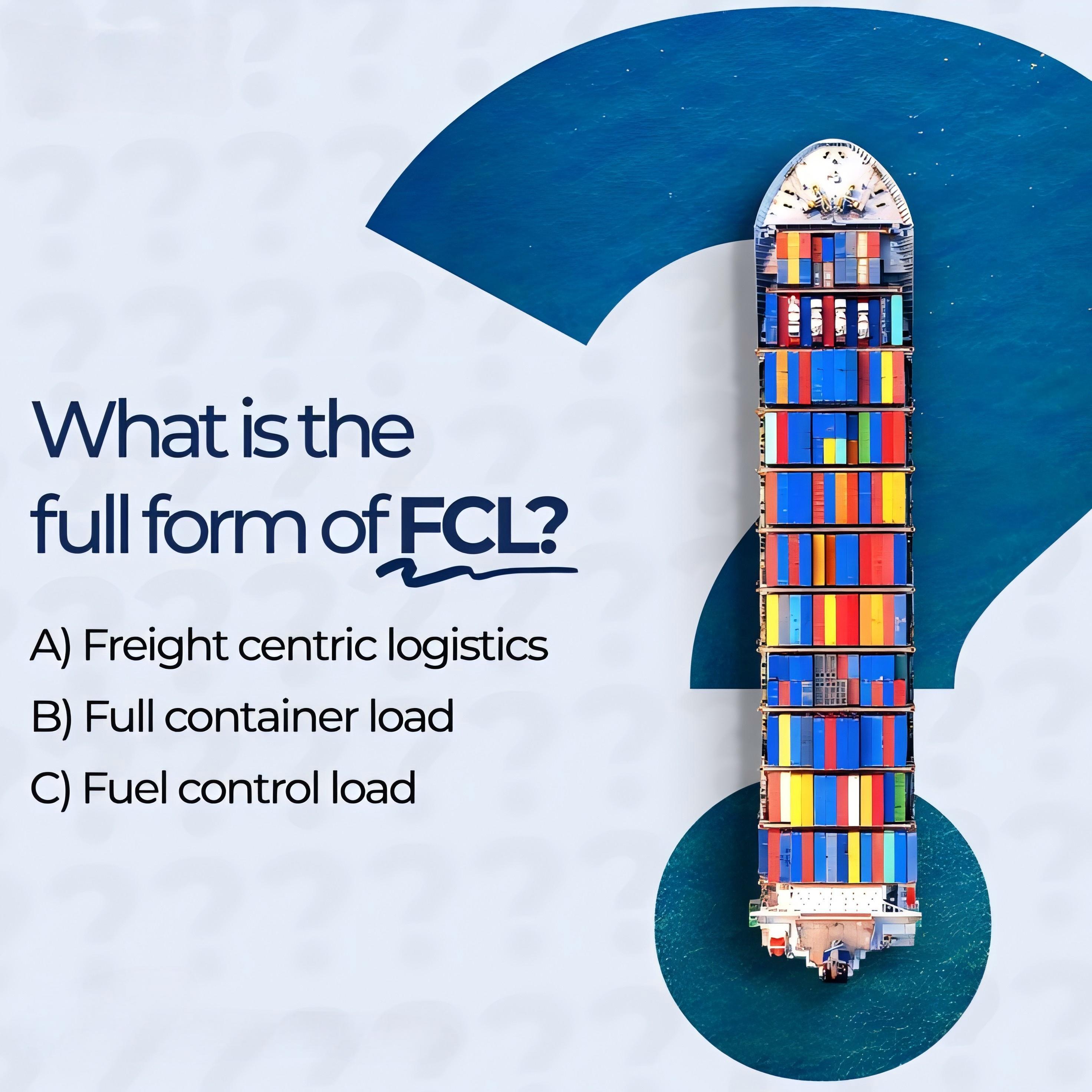
FCL vs LCL for Textile Shipments
Full Container Load (FCL) shipping, specifically a 40GP, is generally cost-effective for shipments exceeding 15-20 CBM. It offers better security and faster transit times compared to LCL (Less than Container Load), as there’s no need for consolidation or deconsolidation at ports. This directness reduces potential delays and handling damage.
Conversely, LCL is suitable for smaller textile volumes (typically under 15 CBM) that do not fill an entire container. While LCL offers flexibility for smaller orders, it often involves more handling and can have slightly longer transit times due to consolidation processes. For significant textile inventories, FCL remains the superior choice.
Sea Freight vs Air Freight vs Rail Freight
Sea freight using a 40GP FCL remains the most economical option for textiles, albeit with the longest transit times (28-35 days). It is ideal for non-urgent, high-volume shipments where cost savings are a priority. This method is the backbone of global textile trade.
For urgent textile deliveries, air freight offers significantly faster transit (5-7 days) but at a much higher cost. It is typically reserved for high-value, time-sensitive fashion collections or to mitigate production delays. The cost difference can be substantial, often 5-10 times that of sea freight.
Furthermore, rail freight provides a balanced alternative for shipping to Europe. With transit times of around 18-22 days, it is faster than sea freight and more economical than air freight. This option has gained popularity for its reliability and reduced environmental footprint, offering a viable middle ground for textile logistics.
Real-World Scenarios: Securing Textile Shipments
Examining practical examples helps illustrate the complexities and solutions involved in shipping textiles. These case studies demonstrate how different factors influence decisions regarding 40GP FCL space availability for textiles from China to Spain. Each scenario highlights key considerations for successful logistics planning.
Case Study 1: Large Volume Apparel from Shanghai to Valencia
This case highlights a typical FCL shipment of fashion apparel, demonstrating the cost-effectiveness of sea freight for bulk orders. Strategic booking during a stable market period was crucial for favorable rates. The client prioritized cost efficiency over extreme speed.
The successful execution involved meticulous documentation and coordination with the carrier. This ensured a smooth customs clearance process upon arrival in Spain, minimizing delays. The predictable transit time allowed for precise inventory planning.
| Detail | Description |
|---|---|
| Route | Shanghai, China Valencia, Spain |
| Cargo | Fashion Apparel (various garments), 60 CBM, 9,000 kg |
| Container | 40GP FCL |
| Shipping Details | Carrier: COSCO, Port of Loading: Shanghai, Port of Discharge: Valencia, Route Type: Direct |
| Cost Breakdown | Ocean Freight: $3,500, Origin Charges: $450, Destination Charges: $600, Customs & Duties (est): $1,500, Total Landed Cost: $6,050 (Based on Q3 2024 market rates) |
| Timeline | Booking to Loading: 7 days, Sea Transit: 32 days, Customs Clearance: 3 days, Total Door-to-Door: 42 days |
| Key Insight | Early booking secured good rates; direct route ensured faster transit compared to transshipment. Managing peak season surcharges was a challenge. |

Case Study 2: Seasonal Fabric Shipment from Ningbo to Barcelona
This scenario involved a time-sensitive, seasonal fabric order, where balancing cost and timely delivery was critical. The client opted for a 40GP FCL to ensure cargo integrity and meet retail deadlines. Proactive communication with the forwarder was essential.
Despite a slight increase in rates due to an approaching peak season, the chosen carrier offered reliable service. The shipment arrived within the expected window, allowing the client to launch their new collection on schedule. This underscores the importance of carrier selection.
| Detail | Description |
|---|---|
| Route | Ningbo, China Barcelona, Spain |
| Cargo | Textile Fabrics (rolls), 65 CBM, 10,500 kg |
| Container | 40GP FCL |
| Shipping Details | Carrier: Maersk, Port of Loading: Ningbo, Port of Discharge: Barcelona, Route Type: Direct |
| Cost Breakdown | Ocean Freight: $3,750, Origin Charges: $500, Destination Charges: $650, Customs & Duties (est): $1,800, Total Landed Cost: $6,700 (Typical rates as of early 2025) |
| Timeline | Booking to Loading: 10 days, Sea Transit: 30 days, Customs Clearance: 4 days, Total Door-to-Door: 45 days |
| Key Insight | Securing space amidst rising demand was challenging; strong carrier relationships proved vital. Slight customs delay was managed proactively. |
Which Option Should You Choose? A Decision Framework
Selecting the optimal shipping method for your textiles requires a clear understanding of your priorities. Different business needs will dictate whether speed, cost, or cargo safety takes precedence. Therefore, a structured decision-making process can guide your choices effectively.
Consider these key criteria to determine the best approach for managing 40GP FCL space availability for textiles from China to Spain. This framework helps align your logistics strategy with your overall business objectives, ensuring efficient and economical operations.
Budget Priority
If minimizing costs is your primary concern, FCL sea freight is almost always the most economical choice for textiles. This method offers the lowest per-unit cost for large volumes. However, be prepared for longer transit times and potential market rate fluctuations.
Speed Priority
For urgent textile shipments, such as fast-fashion collections or critical replenishment orders, air freight is the fastest option. If air freight is too expensive, rail freight offers a good balance of speed and cost, significantly faster than sea freight. This allows for quicker market response.
Cargo Type Considerations
Delicate or high-value textiles benefit from the dedicated space and reduced handling of FCL shipments. This minimizes the risk of damage or loss during transit. Furthermore, specialized containers (e.g., garment on hanger) can be arranged for specific textile products.
Volume Thresholds for Switching Methods
For textile volumes exceeding 15-20 CBM, FCL sea freight typically becomes more cost-effective than LCL. Below this threshold, LCL might be a viable option. However, for very small, urgent samples, express courier services are often more appropriate. Evaluate your volume carefully.
Navigating Textile Logistics with Confidence
In conclusion, securing <a href=”https://chinatopfreight.com/”>40GP FCL space availability for textiles from China to Spain</a> demands proactive planning and a deep understanding of market dynamics. By staying informed about freight rates, transit times, and customs requirements, businesses can make strategic decisions that optimize their supply chain. Furthermore, leveraging the expertise of a reliable freight forwarder is indispensable for navigating these complexities effectively.
Ultimately, a well-managed logistics strategy ensures timely delivery, cost efficiency, and the integrity of your textile shipments. Partnering with professionals provides the peace of mind needed to focus on your core business, knowing your cargo is in capable hands. We are committed to supporting your success in the competitive global textile market.
Need a tailored shipping solution?
Ready to optimize your textile imports from China to Spain? Contact us today to discuss your specific 40GP FCL space availability needs and receive a tailored, competitive quote. Our experts are here to streamline your international shipping process.