

Shipping Agent China to Netherlands: Your Ultimate Guide
Navigating international logistics from China to the Netherlands requires expertise and a reliable partner. Finding the right shipping agent from China to Netherlands is crucial for efficient delivery. This guide explores methods, costs, and key considerations for your supply chain.

Why Partner with a Professional Shipping Agent from China to Netherlands?
Firstly, engaging a professional shipping agent for your China to Netherlands route streamlines logistics significantly. These experts possess deep knowledge of international trade regulations and customs procedures. Consequently, they help minimize potential delays and unexpected costs.
Furthermore, a reliable agent assists with complex documentation and compliance requirements. They coordinate with multiple carriers, customs officials, and warehousing facilities. This integrated approach ensures efficient cargo handling and timely delivery.
Ultimately, partnering with an experienced freight forwarder mitigates risks associated with international shipping. They offer solutions like cargo insurance and real-time tracking, providing peace of mind. Therefore, choosing the right agent is paramount for successful import operations.
Understanding Key Shipping Methods from China to the Netherlands
When planning your shipment from China to the Netherlands, selecting the appropriate transport method is fundamental. Each option offers distinct advantages in terms of speed, cost, and cargo capacity. Understanding these differences is vital for optimizing your supply chain.
| Shipping Method | Cost Range (per kg) | Transit Time | Best For | Limitations |
|---|---|---|---|---|
| Sea Freight (FCL) | $0.08 – $0.15 | 28-35 days | Large, heavy, non-urgent goods | Slowest, port-to-port only |
| Sea Freight (LCL) | $0.12 – $0.20 | 30-40 days | Smaller shipments, flexible volume | Longer transit, potential delays |
| Air Freight | $4.00 – $8.00 | 3-7 days | Urgent, high-value, perishable goods | Most expensive, volume/weight limits |
| Rail Freight | $1.50 – $3.00 | 18-25 days | Mid-size, moderately urgent, heavy goods | Less flexible routes, still slower than air |
| Express Service | $5.00 – $12.00 | 2-5 days | Small parcels, samples, e-commerce | Highest per-kg cost, size/weight limits |
Sea Freight: The Most Common and Cost-Effective Choice
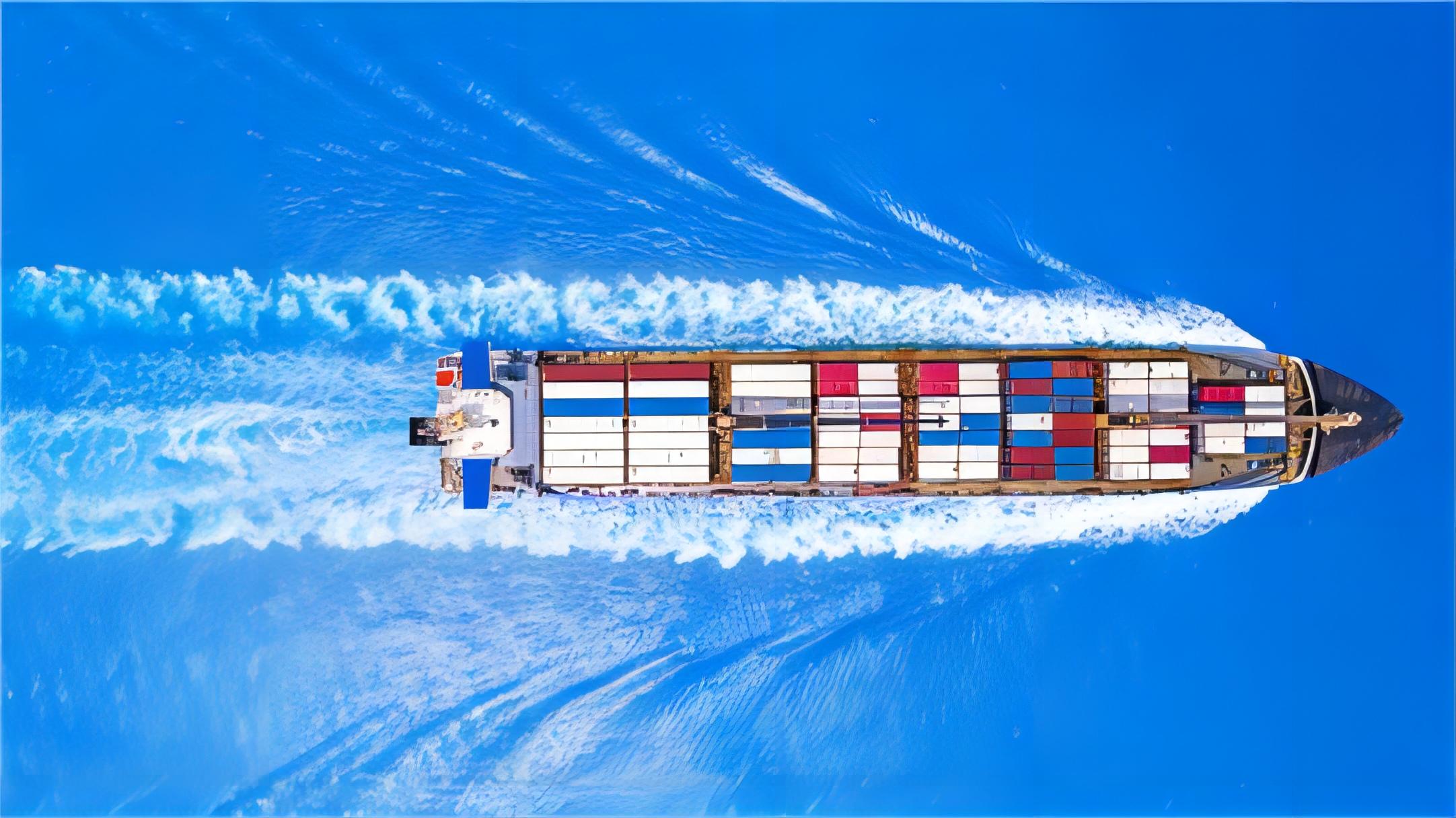
Sea freight is the most economical solution for large volumes from China to the Netherlands, using ports like Shanghai to Rotterdam. It offers FCL (Full Container Load) for dedicated space and LCL (Less than Container Load) for smaller, shared shipments. Transit times range from 28 to 35 days. Consider sea freight for large, non-urgent goods.
Air Freight: For Speed and High-Value Cargo
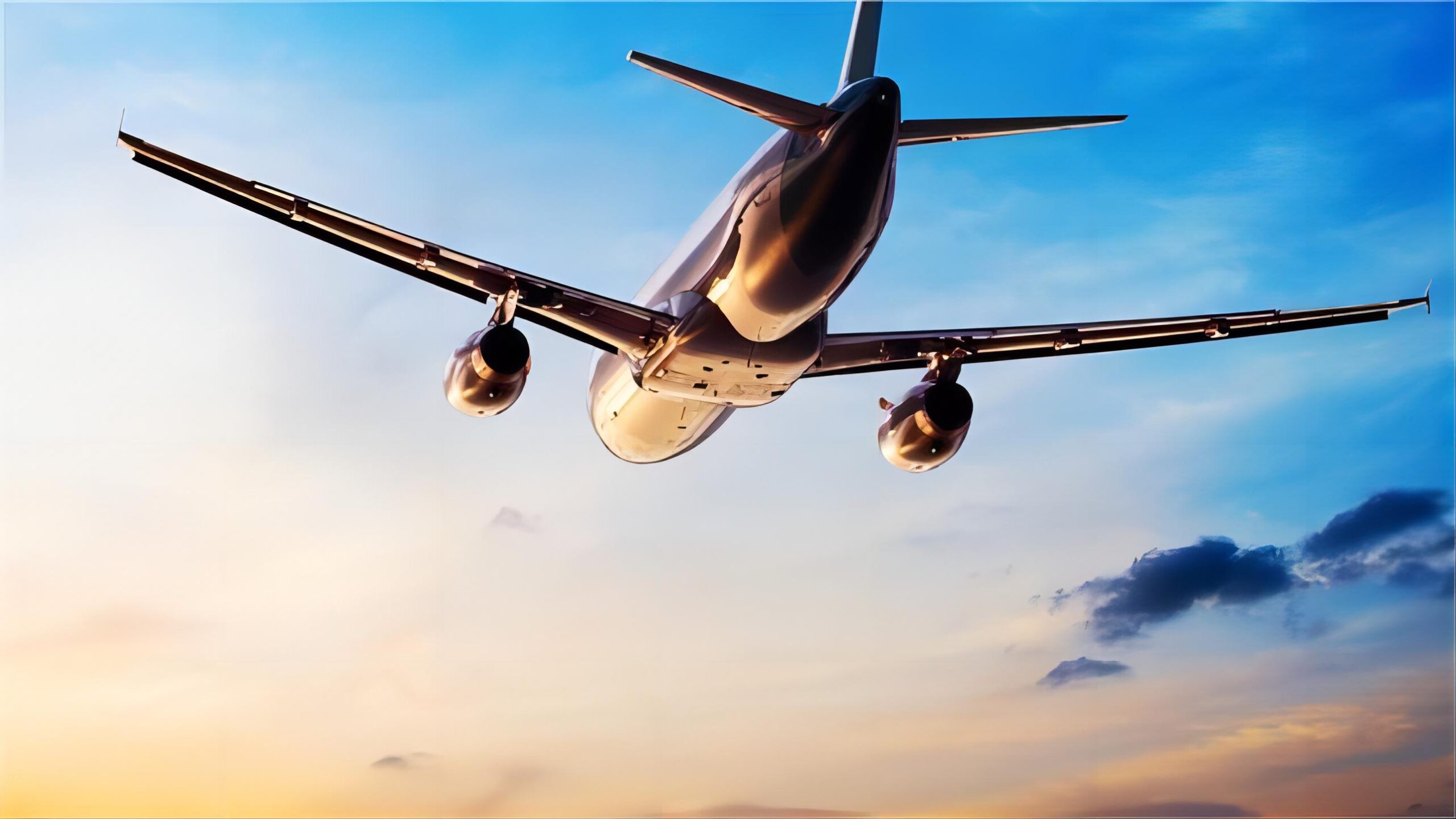
For urgent or high-value shipments, air freight offers unparalleled speed, reducing transit times to 3-7 days. Goods reach Amsterdam from major Chinese airports (e.g., Shanghai) to Amsterdam. Though expensive, rapid delivery and enhanced security justify the premium for critical cargo. A dedicated air freight service ensures rapid delivery.
Rail Freight: A Growing Alternative on the New Silk Road
Rail freight balances speed and cost between China and Europe. Utilizing the New Silk Road, cargo reaches the Netherlands in 18-25 days. This is faster than sea freight but more affordable than air. It offers greater stability and is less susceptible to weather delays. Many businesses explore rail freight as a sustainable option.
Express Service: Door-to-Door Convenience for Smaller Shipments
For small packages or e-commerce orders, an express service provides swift, door-to-door delivery. Major couriers offer integrated solutions from pickup in China to final delivery in the Netherlands, often taking 2-5 days. Although per-kilogram costs are high, convenience and efficiency are ideal for smaller items with advanced tracking.
How Does Sea Freight Compare to Other Shipping Options from China to the Netherlands?
Sea freight, while often the most economical choice, presents a different set of trade-offs compared to air, rail, or express services. Understanding these differences is crucial for strategic decision-making in your supply chain. Businesses must evaluate their priorities—cost, speed, or cargo type—to select the optimal method.
| Shipping Method | Cost Range (20GP/CBM) | Transit Time (Days) | Best For | Limitations |
|---|---|---|---|---|
| Sea Freight (FCL) | $2,000-2,800 (20GP) | 28-35 | Bulk, heavy, non-urgent goods | Slowest, port-to-port only |
| Sea Freight (LCL) | $60-90/CBM | 30-40 | Smaller, non-urgent shipments | Slower, consolidation risks |
| Rail Freight | $1,500-2,500 (20GP) | 18-25 | Mid-urgent, heavy, balanced cost/speed | Less route flexibility, volume limits |
| Air Freight | $4.00-8.00/kg | 3-7 | Urgent, high-value, perishable | Most expensive, strict weight/size |
| Express Service | $5.00-12.00/kg | 2-5 | Small parcels, samples, e-commerce | Highest per-kg cost, very small items |
When to Choose Air Freight Instead of Sea Freight
Air freight is preferred when time is critical, offering 3-7 day transit versus 28-35 days for sea freight. For high-value electronics or urgent parts, its speed prevents costly delays. While more expensive, reduced inventory costs and faster market entry can justify the premium. Typical air freight costs are 10-20 times higher than sea freight for the same volume.
Advantages of Rail Freight Over Sea or Air
Rail freight balances sea freight’s cost-effectiveness with air freight’s speed. At 18-25 days, it is faster than ocean shipping but substantially cheaper than air. This makes it ideal for goods not extremely time-sensitive but requiring quicker delivery. Rail offers better security and a lower carbon footprint for mid-sized, heavy cargo.
Express Services for Smaller, Urgent Shipments
For small, high-priority parcels or e-commerce, express services deliver door-to-door in 2-5 days. Although per-kilogram costs are highest, the integrated service, including customs and direct delivery, simplifies logistics. It suits samples or direct-to-consumer shipments where speed and minimal handling are paramount.
Decision Framework: Which Option Suits Your Needs?
If cost is primary, sea freight (especially FCL) is most economical. For speed, air freight or express services are clear winners. Cargo type also matters; perishables need speed, while durable bulk suits sea or rail. LCL at $60-90/CBM can be cheaper than a full container for volumes under 10-12 CBM. Hybrid solutions, like sea-air, balance cost and speed, reducing transit by 7-10 days.
Navigating Customs and Documentation for Shipments to the Netherlands
Successfully importing goods from China to the Netherlands requires meticulous attention to customs regulations. Proper preparation prevents delays, fines, and storage costs. Therefore, understanding necessary paperwork and procedures is critical.
A knowledgeable customs brokerage service is invaluable here. They can guide you through Dutch and EU import laws, ensuring all declarations are accurate and timely. This expertise safeguards your shipment from potential complications.
Key Documents Required
Essential documents typically include the Commercial Invoice, Packing List, Bill of Lading (for sea freight) or Air Waybill (for air freight), and a Certificate of Origin. Depending on the product, additional permits, licenses, or conformity certificates (e.g., CE marking) may also be necessary. Accurate documentation is crucial for smooth clearance.
Duties, VAT, and EORI Number
Importers into the Netherlands must pay import duties and Value Added Tax (VAT) on most goods from outside the EU. The duty rate depends on the commodity code (HS code) of your product. Furthermore, all businesses involved in importing or exporting within the EU need an EORI (Economic Operators Registration and Identification) number. Your shipping agent can help calculate these costs and ensure proper registration.
Comprehensive Case Studies: Real-World Shipping Scenarios
To illustrate the practical application of different shipping methods and their associated factors, consider the following real-world case studies. These examples highlight how various decisions impact cost, transit time, and overall logistics efficiency. Consequently, they offer valuable insights for your own shipping needs.
These scenarios are based on typical market conditions and rates as of early 2025, providing a realistic perspective on importing from China to the Netherlands.
Case Study 1: FCL Sea Freight for Furniture Importer
This importer needed to move a large volume of furniture, where cost-effectiveness was prioritized over extreme speed. Sea freight was the logical choice for this bulky cargo.
| Detail | Value |
|---|---|
| Route | Shanghai, China Rotterdam, Netherlands |
| Cargo | Wooden furniture, 28 CBM, 4,500 kg |
| Container | 1 x 40GP |
| Shipping Details | Carrier: COSCO, Port of Loading: Shanghai, Port of Discharge: Rotterdam, Route Type: Direct |
| Ocean Freight | $2,850 |
| Origin Charges (THC, documentation) | $350 |
| Destination Charges | $400 |
| Customs & Duties (estimated) | $750 |
| Total Landed Cost | $4,350 |
| Booking to Loading | 5 days |
| Sea Transit | 32 days |
| Customs Clearance | 3 days |
| Total Door-to-Door | 40 days |
| Key Insight | Cost-effective for bulk, but required longer planning. Q4 peak season rates were 15% higher than off-peak. |
Case Study 2: LCL Sea Freight for E-commerce Gadgets
A smaller e-commerce business needed to replenish stock of popular electronic gadgets, not enough to fill a container. LCL sea freight provided a balanced solution for cost and reasonable delivery time.
| Detail | Value |
|---|---|
| Route | Shenzhen, China Amsterdam, Netherlands |
| Cargo | Small electronics, 3.5 CBM, 580 kg |
| Container | LCL 3.5 CBM |
| Shipping Details | Carrier: Maersk (via consolidator), Port of Loading: Shenzhen, Port of Discharge: Rotterdam, Route Type: Transshipment via Singapore |
| Ocean Freight | $280 (per CBM rate) |
| Origin Charges (THC, documentation) | $120 |
| Destination Charges | $180 |
| Customs & Duties (estimated) | $250 |
| Total Landed Cost | $830 |
| Booking to Loading | 7 days |
| Sea Transit | 38 days |
| Customs Clearance | 4 days |
| Total Door-to-Door | 49 days |
| Key Insight | Economical for smaller volume, but transit time was longer due to consolidation and transshipment. Good for regular, non-urgent refills. |
Case Study 3: Air Freight for Urgent Medical Supplies
A critical shipment of medical supplies required the fastest possible delivery to meet a tight deadline. Speed was the absolute priority, justifying the higher cost of air freight.
| Detail | Value |
|---|---|
| Route | Guangzhou, China Amsterdam, Netherlands |
| Cargo | Medical diagnostic kits, 1.2 CBM, 210 kg |
| Container | Air Cargo |
| Shipping Details | Carrier: Lufthansa Cargo, Airport of Origin: Guangzhou (CAN), Airport of Destination: Amsterdam (AMS), Route Type: Direct flight |
| Air Freight | $1,470 ($7.00/kg) |
| Origin Charges (Handling, documentation) | $180 |
| Destination Charges | $150 |
| Customs & Duties (estimated) | $100 |
| Total Landed Cost | $1,900 |
| Booking to Loading | 1 day |
| Air Transit | 2 days |
| Customs Clearance | 1 day |
| Total Door-to-Door | 4 days |
| Key Insight | Extremely fast delivery met urgent demand. Higher cost was justified by avoiding critical stock-out. Market data suggests air freight rates can fluctuate significantly based on fuel surcharges. |
Choosing the Right Shipping Agent China to Netherlands: What to Look For
Selecting an effective shipping agent from China to Netherlands is crucial for seamless logistics. Look for agents with extensive experience on this specific trade lane, demonstrating a deep understanding of both Chinese export and Dutch import regulations. Their expertise directly translates into smoother operations and fewer unexpected issues.
Furthermore, assess their network of partners and carriers. A well-established agent will have strong relationships with major shipping lines, airlines, and local logistics providers in both China and the Netherlands. This robust network ensures competitive rates, reliable service, and flexibility in routing options. Transparency in pricing and communication is also vital for building trust.
Key Qualities of a Reliable Partner
A reliable agent should offer comprehensive services, including customs brokerage, warehousing, cargo insurance, and door-to-door delivery. Excellent communication is non-negotiable; they should provide regular updates and be responsive to your inquiries. Ultimately, choose a partner who understands your business needs and can offer tailored solutions for your supply chain requirements.
Optimizing Your Supply Chain: Cost-Saving Strategies and Hybrid Solutions
Optimizing your supply chain for the China to Netherlands route involves strategic planning and exploring various efficiencies. Consider consolidating multiple smaller orders into a single, larger shipment whenever possible. This approach often reduces per-unit shipping costs significantly, especially for LCL cargo. Therefore, effective inventory management plays a vital role.
Furthermore, timing your shipments to avoid peak seasons can lead to substantial savings. Freight rates typically increase 15-25% during August-October due to holiday demand. Exploring different Incoterms can also shift responsibilities and costs between buyer and seller, potentially benefiting your bottom line. For instance, FOB (Free On Board) allows you more control over the main carriage costs.
Exploring Hybrid Shipping Solutions
Hybrid solutions, such as ‘sea-air’ or ‘rail-sea,’ offer a flexible approach to balancing cost and speed. For example, goods can be shipped by sea from China to a hub like Dubai, then flown to the Netherlands, cutting sea transit time while remaining cheaper than pure air freight. This strategy is particularly effective for moderately urgent cargo that doesn’t warrant the full expense of direct air shipment. Similarly, combining rail from China to a European hub and then short-sea or truck to the Netherlands can offer a similar balance. These innovative approaches enhance overall supply chain resilience and adaptability.
Door-to-Door Service: Simplifying Your Logistics from China to Netherlands
Opting for a door-to-door shipping service significantly simplifies the entire logistics process. This comprehensive solution means your shipping agent handles every aspect, from picking up your goods at the factory in China to delivering them directly to your warehouse or customer in the Netherlands. Consequently, it removes much of the administrative burden from your shoulders.
Moreover, a single point of contact for the entire journey provides greater control and visibility. You avoid coordinating multiple parties, reducing potential communication breakdowns and delays. This integrated approach ensures a smoother, more efficient, and often more predictable shipping experience, allowing you to focus on your core business operations. It is an increasingly popular choice for businesses seeking convenience and reliability.
Conclusion: Your Trusted Partner for Shipping from China to the Netherlands
In conclusion, successfully navigating the complexities of international shipping from China to the Netherlands hinges on choosing the right strategy and, crucially, the right partner. Whether you prioritize cost-efficiency with sea freight, speed with air freight, or the balanced approach of rail, a professional shipping agent from China to Netherlands is indispensable. They provide the expertise, network, and services required to ensure your cargo arrives safely, on time, and within budget.
By understanding the various shipping methods, customs requirements, and leveraging strategic insights, you can optimize your supply chain. Ultimately, a reliable logistics partner transforms potential challenges into opportunities for growth and efficiency.

Need a tailored shipping solution?
Ready to streamline your imports from China to the Netherlands? Partner with a trusted shipping agent who understands your needs. Contact us today for a personalized, competitive quote and experience seamless logistics for your next shipment.