

Solving 40HQ FCL Container Shortage for Auto Parts China to Texas
The persistent 40HQ FCL container shortage presents significant challenges for businesses importing auto parts from China to Texas. This global issue disrupts supply chains, causing delays and increased costs for crucial automotive components. Fortunately, strategic planning and the right logistics partner can help navigate these complexities. Explore how China Top Freight offers comprehensive solutions to keep your automotive supply chain moving smoothly.
Why is There a 40HQ FCL Container Shortage for Auto Parts?
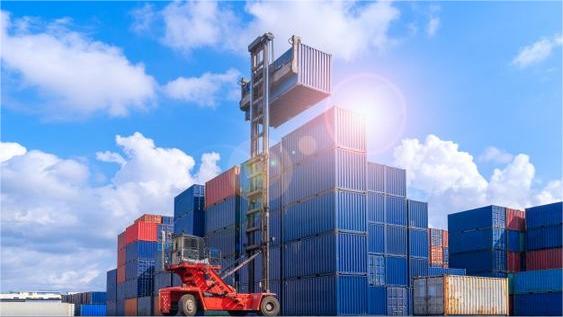
Indeed, the global supply chain has faced unprecedented strain, leading to a severe 40HQ FCL container shortage. This issue stems from a confluence of factors, primarily increased consumer demand, port congestion, and imbalanced container repositioning. Consequently, finding available containers for shipping auto parts from China to Texas has become increasingly difficult.
Moreover, the automotive industry relies heavily on just-in-time (JIT) inventory, making it particularly vulnerable to these disruptions. Delays in receiving crucial components can halt production lines, leading to significant financial losses. Therefore, understanding the root causes is the first step toward developing effective solutions.
Impact of Container Shortages on China-Texas Auto Parts Supply
Clearly, the scarcity of 40HQ FCL containers has a cascading effect on the auto parts supply chain. Businesses often face higher sea freight rates due to limited capacity and increased demand for available containers. Furthermore, extended transit times become common, delaying the arrival of essential components.
Additionally, these delays can lead to production backlogs, increased warehousing costs, and ultimately, higher prices for consumers in Texas. Managing supply chain disruptions for Texas auto importers requires proactive strategies and resilient logistics planning. Therefore, identifying flexible and reliable shipping options is paramount.
Strategic Solutions for Securing 40HQ FCL Containers to Texas
To mitigate the 40HQ FCL container shortage solution for auto parts from China to Texas, several strategies can be employed. Firstly, early booking is crucial, often weeks in advance, to secure necessary container space. This proactive approach helps avoid last-minute rate hikes and capacity issues.
Secondly, developing strong relationships with reliable freight forwarders is indispensable. Experienced partners, like China Top Freight, possess the network and expertise to source containers even during peak seasons. They can offer insights into optimal booking windows and alternative port options in China and Texas.
Finally, considering various port options, both on the origin and destination side, can increase flexibility. For instance, while Houston is primary, exploring Galveston or other Gulf ports might sometimes alleviate congestion. These measures collectively enhance the likelihood of securing containers.
How Does FCL Shipping Compare to Other Options for Auto Parts?
When facing a 40HQ FCL container shortage, evaluating alternative shipping methods is essential. While FCL remains the most cost-effective for large volumes, other options might be necessary for urgent or smaller shipments. Each method has distinct advantages and trade-offs concerning cost, speed, and capacity.
Moreover, hybrid solutions can offer a balance between speed and economy. For example, combining rail freight from inland China to a port, followed by sea freight, can sometimes optimize transit times for certain regions. Understanding these differences helps in making informed decisions for your automotive supply chain.
| Shipping Method | Cost Range (40HQ Equivalent) | Transit Time (China to Texas) | Best For | Limitations |
|---|---|---|---|---|
| FCL Sea Freight (40HQ) | $4,500 – $6,000 | 30-35 days | Large, non-urgent volumes, lowest unit cost | Container availability, port congestion, slow |
| LCL Sea Freight | $500 – $1,500 (per CBM) | 35-45 days | Smaller volumes (under 15 CBM), cost-conscious | Longer transit, potential delays during consolidation |
| Air Freight | $15,000 – $25,000 (for 15 CBM equivalent) | 5-7 days | Urgent, high-value, time-critical components | Very high cost, limited volume/weight capacity |
| Sea-Air Hybrid | $8,000 – $15,000 | 15-20 days | Moderately urgent, balanced cost/speed | More complex logistics, multiple transfers |
Optimizing Your Route and Inland Logistics to Texas
Choosing the right port of entry in Texas and planning efficient inland logistics significantly impacts overall delivery schedules. Houston remains the dominant port, but exploring options like Galveston or even transloading to rail for onward distribution can save time and money. Effective door-to-door service ensures seamless transitions.
Furthermore, considering the final destination within Texas is vital. Auto parts destined for Dallas or San Antonio might benefit from different inland transportation strategies than those for Houston. A robust logistics plan accounts for trucking capacity, warehousing, and final mile delivery. This comprehensive approach helps in managing the total landed cost.
Real-World Solutions: Case Studies in Auto Parts Shipping
These case studies illustrate practical approaches to overcoming challenges in shipping auto parts from China to Texas. They highlight how strategic choices in shipping methods and logistics partners can yield successful outcomes even amidst container shortages and fluctuating freight rates.
Case Study 1: Expediting Critical Engine Components
This client needed to expedite a shipment of engine components to avoid a production line shutdown. The 40HQ FCL container shortage was severe, making standard sea freight impossible within their timeframe. A strategic shift to air freight ensured timely delivery.
| Detail | Value |
|---|---|
| Route | Shanghai, China -> Houston, USA |
| Cargo | Engine components, 12 CBM, 2,500 kg |
| Container | Air Cargo (equivalent to LCL) |
| Carrier/Service | Major air cargo carrier |
| Port of Loading | Shanghai Pudong International Airport (PVG) |
| Port of Discharge | George Bush Intercontinental Airport (IAH) |
| Route Type | Direct Air Freight |
| Ocean Freight (Est. FCL) | $5,000 (Not used) |
| Air Freight Cost | $18,500 |
| Origin Charges | $350 |
| Destination Charges | $550 |
| Customs & Duties (estimated) | $1,200 |
| Total Landed Cost | $20,600 |
| Booking to Loading | 2 days |
| Air Transit | 3 days |
| Customs Clearance | 1 day |
| Total Door-to-Door | 7 days |
| Key Insight | Prioritizing speed for critical parts justified higher air freight costs, saving millions in potential production downtime. Based on Q4 2024 market rates. |
Case Study 2: Managing Large Volume Chassis Frames
A Texas-based auto manufacturer required a consistent supply of large chassis frames. The challenge was securing multiple 40HQ FCL containers during a peak season shortage. Proactive booking and leveraging a freight forwarder’s carrier relationships were key.
| Detail | Value |
|---|---|
| Route | Ningbo, China -> Houston, USA |
| Cargo | Chassis frames, 60 CBM, 15,000 kg |
| Container | Two 40HQ FCL |
| Carrier/Service | COSCO |
| Port of Loading | Ningbo Port |
| Port of Discharge | Port of Houston |
| Route Type | Direct Sea Freight |
| Ocean Freight | $10,500 (for two 40HQ) |
| Origin Charges | $800 |
| Destination Charges | $1,200 |
| Customs & Duties (estimated) | $3,500 |
| Total Landed Cost | $16,000 |
| Booking to Loading | 10 days |
| Sea Transit | 32 days |
| Customs Clearance | 3 days |
| Total Door-to-Door | 45 days |
| Key Insight | Early booking and carrier relationships ensured container allocation despite the shortage. This secured a stable supply for production. Typical rates as of early 2025. |
Case Study 3: Cost-Effective Consolidation for Smaller Parts
A distributor of various aftermarket auto parts frequently shipped smaller volumes from multiple suppliers. Faced with high FCL rates and limited availability, they opted for a consolidated LCL solution to maintain cost efficiency.
| Detail | Value |
|---|---|
| Route | Shenzhen, China -> Dallas, USA (via Houston) |
| Cargo | Assorted aftermarket parts, 8 CBM, 1,800 kg |
| Container | LCL (Less than Container Load) |
| Carrier/Service | Major NVOCC (Non-Vessel Operating Common Carrier) |
| Port of Loading | Shenzhen Port |
| Port of Discharge | Port of Houston |
| Route Type | LCL Consolidation, then truck to Dallas |
| Ocean Freight | $950 (LCL) |
| Origin Charges | $150 |
| Destination Charges | $250 |
| Customs & Duties (estimated) | $700 |
| Total Landed Cost | $2,050 |
| Booking to Loading | 5 days |
| Sea Transit | 38 days |
| Customs Clearance | 4 days |
| Total Door-to-Door | 47 days |
| Key Insight | LCL proved a cost-effective solution for smaller, non-urgent shipments, avoiding the high cost and difficulty of securing a 40HQ FCL. Based on Q1 2025 rates. |
Navigating Customs and Documentation for Auto Parts to Texas
Effective customs brokerage is a critical component of any successful shipping strategy for auto parts. Accurate documentation, including commercial invoices, packing lists, and proper Harmonized Tariff Schedule (HTS) codes, prevents costly delays at US customs. Therefore, partnering with a knowledgeable customs brokerage service is indispensable.
Moreover, auto parts can be subject to specific regulations, including those from the Environmental Protection Agency (EPA) or Department of Transportation (DOT). Ensuring compliance from the outset streamlines the import process into Texas. This diligence minimizes unexpected costs and keeps your delivery schedule on track.
Choosing the Right Logistics Partner for China-Texas Auto Parts
Ultimately, the most effective 40HQ FCL container shortage solution for auto parts from China to Texas involves selecting a proficient logistics partner. An experienced freight forwarder provides market insights, access to carrier networks, and expertise in complex customs procedures. They act as an extension of your supply chain team.
China Top Freight offers tailored express service and comprehensive logistics solutions, ensuring your auto parts reach Texas efficiently. Our extensive experience in the China-US corridor, coupled with a deep understanding of automotive industry needs, positions us as a reliable ally. We prioritize transparency and communication, providing real-time updates on your shipments.
Conclusion: Securing Your Auto Parts Supply Chain to Texas
In conclusion, the 40HQ FCL container shortage solution for auto parts from China to Texas demands a multi-faceted approach. Proactive planning, exploring alternative shipping methods, optimizing routes, and partnering with an expert logistics provider are all crucial components. By embracing these strategies, businesses can effectively navigate current market challenges.
Indeed, maintaining a resilient and efficient supply chain is paramount for the automotive industry. China Top Freight is committed to providing reliable, cost-effective shipping solutions, ensuring your auto parts arrive in Texas on time and within budget. Let us help you overcome these hurdles and strengthen your global logistics network.
Get Your Shipping Quote Today
Are you struggling with the 40HQ FCL container shortage for your auto parts shipments from China to Texas? Do not let supply chain disruptions impact your business. Contact China Top Freight today for a customized logistics solution tailored to your specific needs and receive a competitive quote.
Request Quote