

20GP FCL Container Shortage Solution for Lighting: China to Los Angeles
The global supply chain presents significant challenges, especially for securing shipping capacity. Businesses importing lighting products via 20GP FCL containers from China to Los Angeles face severe impacts from recent shortages. China Top Freight offers strategic solutions to overcome these hurdles and ensure smooth goods flow.
Understanding the 20GP FCL Container Shortage for Lighting Shipments
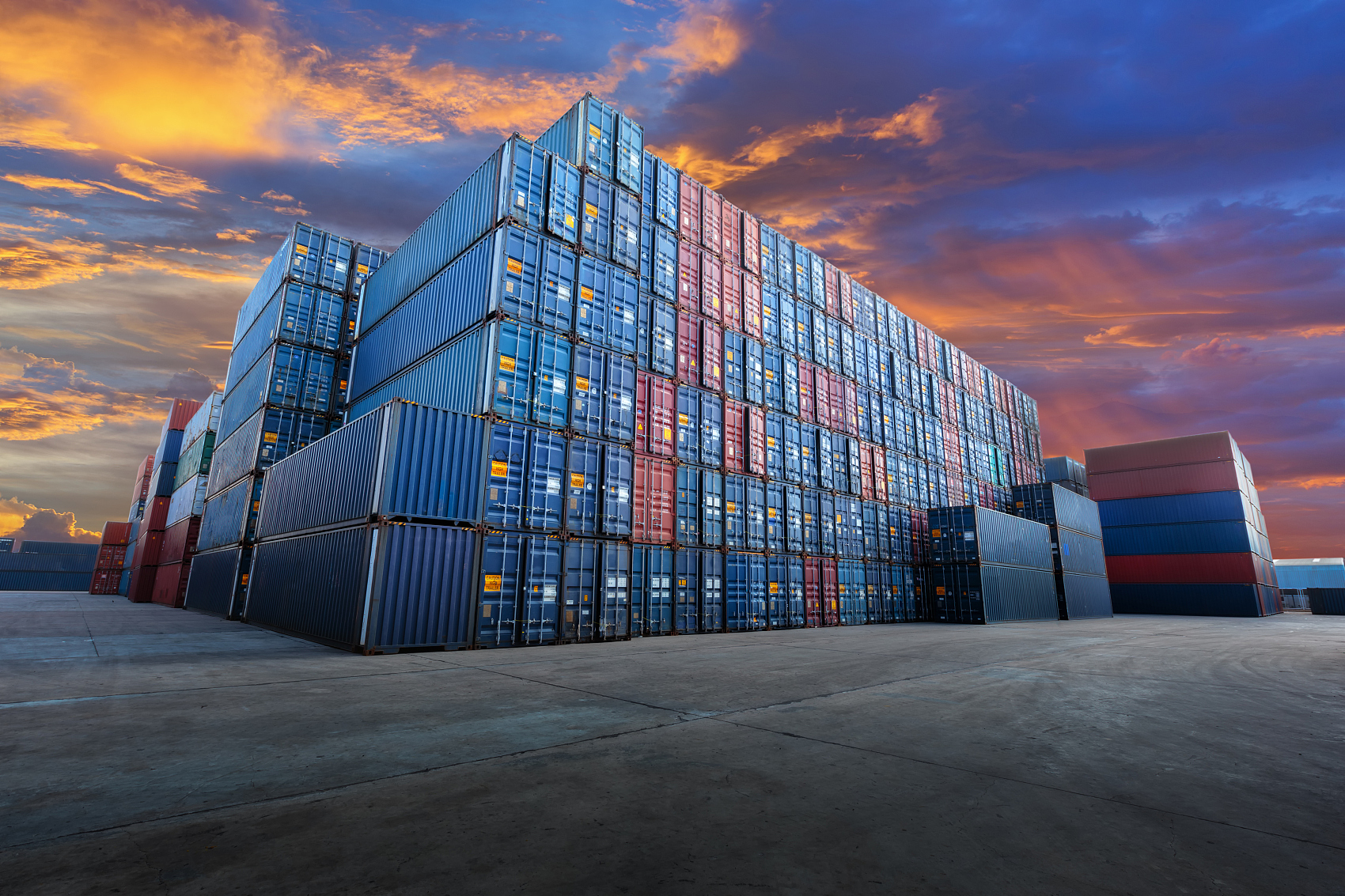
The lighting industry relies heavily on efficient global logistics. Importing lighting products via 20GP FCL containers from China to Los Angeles faces unique vulnerabilities. Recent disruptions have led to a noticeable scarcity of these specific container types, creating significant operational bottlenecks.
This shortage directly impacts delivery schedules and overall project timelines for US businesses. Consequently, it drives up shipping costs and forces companies to re-evaluate established supply chain strategies. Understanding root causes is the first step toward effective solutions.
Why Are 20GP FCL Containers Scarce on the China-LA Route?
Several interconnected factors contribute to the ongoing 20GP FCL container shortage. Primarily, a global imbalance means empty containers are often stuck in low export demand areas. Meanwhile, regions like China experience high export volumes, particularly to major consumption centers like Los Angeles.
Increased consumer demand post-pandemic has exacerbated the issue. This surge in cargo volume strains existing port infrastructure and carrier capacity. Moreover, port congestion in Los Angeles and Long Beach delays container turnaround, trapping equipment on vessels or at terminals.
Geopolitical events and unforeseen disruptions also play a role. These can suddenly alter shipping routes or cause unexpected delays, further tightening specific container availability. Consequently, securing a 20GP FCL container for lighting from China to Los Angeles has become competitive and costly.
Proactive Strategies to Mitigate 20GP FCL Shortages
Navigating a 20GP FCL container shortage requires strategic foresight and adaptability. Businesses importing lighting products must implement proactive measures to ensure supply chain resilience. Several approaches can help secure capacity and manage costs effectively.
Ultimately, a multi-pronged strategy is often most successful. This involves not only securing containers but also optimizing every shipping process step. Working with an experienced freight forwarder is paramount in this complex environment.
Early Booking and Flexible Scheduling
Booking container space well in advance is critical during high demand. Carriers often prioritize long-term contracts or bookings made weeks ahead. This allows for better planning and increases chances of securing a 20GP FCL container for your lighting shipment.
Furthermore, maintaining flexibility with shipping dates can open up more options. Shifting your departure by a few days might align with sudden capacity availability or a less congested schedule. This adaptability can significantly reduce stress and potential delays.
Exploring Alternative Container Sizes
When 20GP containers are scarce, considering 40GP or 40HQ containers becomes a viable option. While larger, their availability might be better, and per-unit shipping costs could be lower if you can fill the space. This is especially true for bulkier or less dense lighting products.
Additionally, splitting a larger order across two 20GP containers might be less efficient than utilizing a single 40-foot container. Evaluating your cargo’s volumetric weight and dimensions against available container types is essential for optimal utilization.
Leveraging LCL Consolidation
For smaller lighting product volumes that don’t fill a 20GP container, sea freight LCL (Less than Container Load) consolidation offers a practical solution. Your cargo shares container space with other shippers, making it a cost-effective alternative during FCL shortages. This method reduces direct reliance on securing a full container.
Moreover, LCL shipments often have more flexible booking options and departure frequencies. This provides greater agility for businesses with smaller, frequent orders. However, LCL typically involves more handling and slightly longer transit times due to consolidation and deconsolidation.
Considering Alternative Ports of Entry
While Los Angeles is a primary destination, exploring nearby ports such as Long Beach or even Oakland can sometimes alleviate congestion. These alternative ports might offer better equipment availability or shorter wait times. Consequently, this can speed up the overall import process.
Furthermore, assessing inland transportation costs from these alternative ports to your final destination is crucial. A slightly longer ocean leg to a less congested port can sometimes result in faster overall delivery and lower total logistics costs. This strategic decision requires careful calculation.
How Does Sea Freight Compare to Other Shipping Options for Lighting?
Choosing the right shipping method is paramount for importing lighting products from China to Los Angeles. Each option presents a unique balance of speed, cost, and capacity. Understanding these trade-offs is crucial for informed logistics decisions, especially during container shortages.
While sea freight remains the backbone of international trade for its cost-effectiveness, alternative methods offer advantages under specific circumstances. Evaluating your specific needs, such as urgency and budget, will guide your selection. Below is a comparison of viable options.
| Shipping Method | Cost Range (20GP/Equivalent) | Transit Time (China-LA) | Best For | Limitations |
|---|---|---|---|---|
| FCL Sea Freight (20GP) | $1,500 – $2,200 | 14-18 Days | Large volumes, cost-sensitive, non-urgent | Slowest, less flexible during shortages |
| LCL Sea Freight | $50 – $80/CBM | 18-25 Days | Smaller volumes, flexible, cost-effective | More handling, slightly longer transit, minimum charges |
| Air Freight | $6 – $12/kg | 3-7 Days | Urgent, high-value, samples, small batches | Most expensive, volume/weight restrictions |
| Sea-Air (Hybrid) | $3 – $5/kg (est.) | 10-15 Days | Moderately urgent, balanced cost/speed | Less common, requires transshipment points |
Optimizing Your Lighting Supply Chain: Cost-Saving Strategies
Even amidst container shortages and fluctuating freight rates, several strategies help control and reduce overall shipping costs for lighting products. Proactive planning and smart operational choices are key to achieving significant savings.
Furthermore, leveraging technology and expert partnerships can uncover efficiencies not immediately apparent. Continuous monitoring of logistics trends and market conditions allows for agile adjustments to your shipping plan. Every saving contributes to your bottom line.
Volume-Based Negotiations and Carrier Contracts
Securing long-term contracts with carriers or freight forwarders can lock in more favorable rates. This is particularly beneficial for high-volume importers of lighting products. Consequently, these agreements provide stability and predictability in an otherwise volatile market.
Additionally, consolidating multiple smaller shipments into larger, less frequent ones can lead to better pricing. Carriers offer discounts for higher volumes, making this a smart strategy for managing your logistics budget effectively. This requires careful inventory management.
Seasonal Planning and Off-Peak Shipping
Freight rates typically surge during peak seasons, such as before Chinese New Year or during Q3/Q4 holiday rush. Planning your lighting imports to avoid these periods can result in substantial cost savings. Shipping during off-peak times offers lower rates and better container availability.
Moreover, building a sufficient inventory buffer allows you to absorb potential delays without resorting to expensive express shipping. Understanding these seasonal patterns is crucial for efficient customs brokerage and supply chain strategy.
Efficient Customs Clearance and Brokerage
Delays at customs can incur significant demurrage and detention charges, adding unexpected costs. Partnering with an experienced customs broker ensures all documentation is accurate and compliant, facilitating smooth clearance. This minimizes costly hold-ups and keeps your lighting products moving.
Furthermore, a skilled broker can advise on tariffs, duties, and import regulations specific to lighting, potentially identifying duty-saving opportunities. This expertise is invaluable for avoiding penalties and streamlining the import process from China to Los Angeles. Efficient door-to-door service relies on this.
Real-World Solutions: Case Studies in Lighting Logistics
Practical examples demonstrate how businesses successfully navigate the challenges of importing lighting from China to Los Angeles. These case studies highlight diverse strategies for overcoming 20GP FCL container shortages and optimizing logistics. Each scenario offers valuable insights.
From small manufacturers to large distributors, tailored solutions are essential. Understanding cargo needs, urgency, and budget constraints are all critical factors. These examples illustrate the adaptability required in today’s dynamic shipping environment.
Case Study 1: Small Supplier Navigating LCL for LED Components
A small LED component manufacturer in Shenzhen faced recurring 20GP FCL shortages for monthly 8 CBM shipments to Los Angeles. A full container was inefficient and costly during peak times, so they sought a more flexible LCL solution.
| Detail | Description |
|---|---|
| Route | Shenzhen, China -> Los Angeles, USA |
| Cargo | LED Drivers & Modules, 8 CBM, 2,500 kg |
| Container | LCL (Less than Container Load) |
| Shipping Details | Major carrier, transshipment via Busan |
| Cost Breakdown (Estimated) | Ocean Freight: $600, Origin Charges: $180, Destination Charges: $250, Customs & Duties: $150, Total Landed Cost: $1,180 |
| Timeline | Booking to Loading: 5 days, Sea Transit: 20 days, Customs Clearance: 3 days, Total Door-to-Door: 28 days |
| Key Insight | LCL provided consistent capacity and better cost control for smaller, regular volumes, despite slightly longer transit. Based on Q3 2024 market rates. |

Case Study 2: Large Distributor Optimizing 20GP FCL Booking for Decorative Lighting
A large US distributor of decorative lighting faced significant delays due to 20GP FCL shortages for seasonal Ningbo imports. Their 15-20 containers per quarter were critical for holiday sales. They needed a strategy to guarantee capacity.
| Detail | Description |
|---|---|
| Route | Ningbo, China -> Los Angeles, USA |
| Cargo | Decorative Lighting Fixtures, 28 CBM (per 20GP), 8,000 kg (per 20GP) |
| Container | 20GP FCL (multiple units) |
| Shipping Details | Direct service with Maersk, early booking contract |
| Cost Breakdown (Estimated) | Ocean Freight: $1,850, Origin Charges: $320, Destination Charges: $450, Customs & Duties: $380, Total Landed Cost: $3,000 (per 20GP) |
| Timeline | Booking to Loading: 10 days (pre-booked), Sea Transit: 16 days, Customs Clearance: 2 days, Total Door-to-Door: 22 days |
| Key Insight | Securing long-term carrier contracts and booking 6-8 weeks in advance ensured reliable 20GP FCL availability, even during peak season. Typical rates as of early 2025. |
Case Study 3: Urgent Project with Express Needs for Architectural Lighting
An architectural firm required urgent delivery of specialized lighting components for a project with a tight deadline. Standard sea freight was too slow, and a full 20GP FCL was overkill for the volume. Speed was the absolute priority over cost.
| Detail | Description |
|---|---|
| Route | Shanghai, China -> Los Angeles, USA |
| Cargo | Specialized LED Strips & Controls, 2 CBM, 500 kg |
| Container | Air Freight (Consolidated) |
| Shipping Details | Cathay Cargo, direct flight |
| Cost Breakdown (Estimated) | Air Freight: $3,500, Origin Charges: $150, Destination Charges: $200, Customs & Duties: $100, Total Landed Cost: $3,950 |
| Timeline | Booking to Loading: 2 days, Air Transit: 2 days, Customs Clearance: 1 day, Total Door-to-Door: 5 days |
| Key Insight | Express service via air freight was the only viable option for critical, time-sensitive components, despite the higher cost. Market data suggests similar urgent rates in Q1 2025. |
Navigating US Import Regulations for Lighting Products
Importing lighting products into the US from China involves strict adherence to various regulations. Compliance with these rules is essential to avoid delays, penalties, and even cargo seizure. Understanding the requirements beforehand streamlines the entry process.
Furthermore, specific certifications and labeling standards apply to different lighting types. Familiarity with these mandates ensures your products meet safety and performance criteria. Proactive compliance is a cornerstone of efficient international trade.
Understanding Compliance and Documentation
Lighting products often require specific certifications, such as UL listing for safety or FCC compliance for electromagnetic compatibility. Providing correct documentation is paramount for customs clearance. Incorrect or missing paperwork is a frequent cause of delays.
Additionally, accurate product descriptions, Harmonized System (HS) codes, and country of origin declarations are mandatory. Ensuring all these details are correct reduces customs holds and facilitates smoother entry into the US market. This is vital for any Amazon FBA seller too.
Streamlining Last-Mile Delivery
Once your lighting products clear customs in Los Angeles, efficient last-mile delivery is crucial for timely distribution. This final leg of the journey can be complex, involving warehousing, sorting, and various transportation modes. Optimizing this stage enhances overall supply chain performance.
Moreover, choosing a logistics partner with robust local distribution capabilities can significantly improve delivery speed and reliability. This ensures your lighting products reach retailers or end-users promptly, completing the journey from China to Los Angeles seamlessly. Consider a comprehensive door-to-door solution.
Which Shipping Option Should You Choose for Your Lighting Products?
Selecting the optimal shipping method for your lighting products depends on many factors. No one-size-fits-all solution exists, especially with 20GP FCL container shortages. A clear decision framework helps in making the best choice.
Consider your business priorities, cargo specifics, and current market conditions. By weighing these elements carefully, you can devise a logistics strategy that balances cost, speed, and reliability. This strategic approach ensures your supply chain remains robust.
Prioritizing Budget: When Cost is King
If cost-efficiency is your primary concern, especially for bulkier, non-time-sensitive lighting components, then FCL or LCL sea freight is usually most economical. Planning ahead and utilizing off-peak shipping times further reduces expenses. This approach requires longer lead times but offers significant savings.
Conversely, avoiding premium services and opting for standard ocean carriers provides the best value. However, during 20GP FCL shortages, LCL might offer better pricing per CBM than a partially filled FCL container. Always compare total landed costs, not just ocean freight.
Prioritizing Speed: When Time is Critical
For urgent lighting projects, new product launches, or to avoid stockouts, air freight or express service is indispensable. While significantly more expensive, it offers rapid transit times and greater reliability for time-sensitive cargo. This option minimizes delays that can impact project deadlines or sales.
Additionally, hybrid sea-air solutions can offer a middle ground, providing faster delivery than pure sea freight at a lower cost than direct air. This allows for a balance of speed and budget, suitable for moderately urgent shipments of lighting from China to Los Angeles.
Cargo Characteristics: Fragility and Volume
The nature of your lighting products also dictates the best shipping method. Fragile items may require specialized packaging and handling, sometimes making FCL a safer option due to less handling. For very small, high-value components, air freight often provides better security and speed.
Furthermore, the volume of your shipment directly influences the efficiency of FCL versus LCL. For volumes approaching 15 CBM, a 20GP FCL container becomes more cost-effective. For smaller volumes, LCL is typically superior, while for large, bulky orders, 40-foot containers might be more suitable if 20GP FCL is scarce.

Conclusion: Securing Your Lighting Supply Chain from China to Los Angeles
In conclusion, overcoming the 20GP FCL container shortage for lighting shipments from China to Los Angeles demands a multi-faceted approach. Businesses must embrace early planning, explore flexible container options, and leverage strategic partnerships. This ensures continuity and cost-effectiveness in their supply chain.
Proactive management, informed decision-making, and adaptability are key to navigating today’s dynamic shipping environment. By implementing these solutions, importers can mitigate risks, optimize logistics, and ensure their lighting products reach the market efficiently and reliably.
Need a tailored shipping solution?
Navigating the complexities of 20GP FCL container shortages requires expert knowledge and proactive strategies. If you’re importing lighting from China to Los Angeles, partner with China Top Freight to secure your supply chain. Contact us today for a personalized quote and tailored logistics solutions.