

Essential Sailing Schedule for FCL Shipping from China to Czech Republic
Importing goods from China to the Czech Republic requires meticulous planning, especially when dealing with full container load (FCL) shipments. Understanding the sailing schedule for FCL shipping from China to Czech Republic is crucial for managing your supply chain effectively and meeting delivery deadlines. At China Top Freight, we specialize in providing seamless logistics solutions for businesses like yours.
What is FCL Shipping and Why Choose It for the Czech Republic?
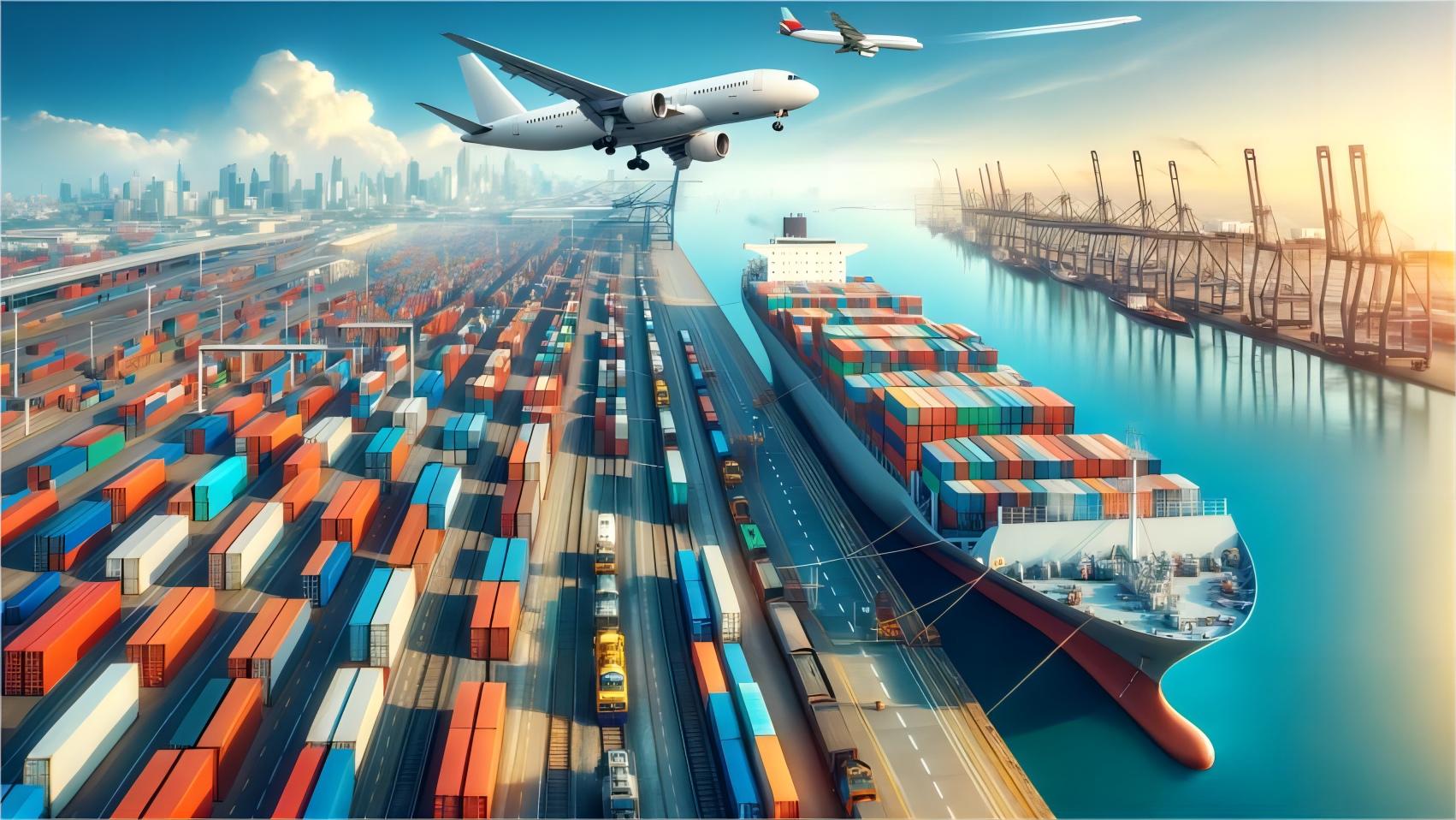
FCL, or Full Container Load, means your goods occupy an entire shipping container. This method suits businesses with enough cargo to fill a 20-foot or 40-foot container. You essentially book the whole container for exclusive use, offering dedicated space.
Choosing FCL shipping from China to Czech Republic offers significant benefits for importers. It substantially reduces handling risks because your cargo remains sealed within its container from origin to destination. This minimizes potential damage or loss during transit.
Furthermore, FCL often leads to faster and more predictable transit times compared to LCL (Less than Container Load) shipments. With FCL, there is no need for consolidation or deconsolidation at various hubs, streamlining the logistics process considerably.
Additionally, FCL is generally more cost-effective per unit when you have large volumes of goods. It provides greater control over your shipment’s scheduling and delivery, which is vital for maintaining a predictable and efficient supply chain. Therefore, for substantial imports, full container load logistics for the Czech Republic is often the preferred choice.
Navigating the Sailing Schedule for FCL Shipping from China to Czech Republic
Understanding the sailing schedule for FCL shipping from China to Czech Republic involves several critical factors. Key elements include the specific port of origin in China, the European gateway port, and the chosen shipping carrier. Vessel capacity and seasonal demand also play significant roles in schedule reliability.
Typically, direct FCL transit times from major Chinese ports like Shanghai or Ningbo to European hubs such as Hamburg or Rotterdam range from 28 to 35 days. However, this sea transit does not include pre-carriage, crucial customs clearance processes, or inland transport to the Czech Republic. Consequently, the total door-to-door delivery schedule will be longer, often extending to 38-45 days.
Current logistics trends, such as potential port congestion at destination or geopolitical events (like the Red Sea rerouting), can significantly impact these schedules. For example, recent diversions have added 7-14 days to many Asia-Europe routes, necessitating longer lead times. Therefore, checking updated sailing schedules frequently is essential for accurate planning and managing expectations.
Moreover, carrier selection can affect frequency and reliability. Some carriers offer more direct services, while others rely on transshipment, which can add a few days. Always inquire about the specific vessel rotation and estimated arrival times for your chosen route.
| Origin Port (China) | Destination Port (Europe) | Estimated Sea Transit Time | Vessel Frequency |
|---|---|---|---|
| Shanghai / Ningbo | Hamburg / Rotterdam | 28-35 days | Weekly |
| Shenzhen / Guangzhou | Koper / Gdansk | 25-32 days | Weekly |
| Qingdao / Tianjin | Antwerp / Felixstowe | 30-38 days | Weekly |
Key Ports and Routes for FCL Shipments to Czech Republic
For FCL shipments heading to the Czech Republic, several major Chinese export hubs serve as primary loading points. These include bustling ports like Shanghai, Ningbo, Shenzhen, and Qingdao, offering extensive vessel connections to Europe. Choosing the right origin port can influence both transit time and local costs significantly.
Upon arrival in Europe, goods typically unload at major gateway ports. Hamburg (Germany) and Rotterdam (Netherlands) are prominent choices due to their extensive rail and road networks connecting directly to the Czech Republic. These ports handle massive cargo volumes daily.
Furthermore, Koper (Slovenia) and Gdansk (Poland) offer alternative, sometimes faster, routes to specific regions within Czechia, particularly for southern or eastern parts. The choice of European port often depends on the final destination within the Czech Republic and the efficiency of onward inland transport.
From these European ports, inland transportation to Czech cities such as Prague, Brno, or Ostrava is predominantly handled by truck or rail. For example, rail freight from Hamburg to Prague can take just 2-3 days, offering a quick final leg. Therefore, understanding these multimodal connections is vital for optimizing your overall logistics and ensuring timely delivery.
Understanding FCL Shipping Costs and Freight Rates
Determining the true cost of FCL shipping from China to Czech Republic involves more than just the base ocean freight rate. Several components contribute to the total expense, including various surcharges, origin charges, and destination charges. These can vary significantly based on market conditions and global factors.
Ocean freight rates are influenced by factors such as the container type (20GP, 40GP, 40HQ), commodity being shipped, time of year, and the chosen carrier. Additionally, surcharges like Bunker Adjustment Factor (BAF) for fuel and Currency Adjustment Factor (CAF) are common and fluctuate.
Origin charges cover tasks like terminal handling, documentation fees, and local transport from your factory to the Chinese port. Upon arrival in Europe, destination charges, including terminal handling and customs clearance fees, are incurred before cargo release.
Moreover, inland transportation costs from the European port to your final delivery point in the Czech Republic must be factored in. For clarity on these expenses and to obtain a comprehensive breakdown, consider utilizing sea freight services that offer transparent pricing and detailed quotes.
As of Q1 2025, freight rates from China to Europe have stabilized after the 2024 Red Sea disruptions, though they remain higher than pre-pandemic levels. Typical rates for a 40HQ from China to major European ports generally fall between $3,000-$4,200. Always remember to factor in potential customs duties and taxes for the Czech Republic. Note: Freight rates are subject to change based on fuel costs, carrier capacity, and seasonal demand. Contact us for a current quote tailored to your specific shipment.
Essential Documentation and Customs Clearance for Czech Republic Imports
Successful FCL shipping to the Czech Republic hinges on meticulous preparation of all required documentation. A complete set of accurate documents prevents delays and ensures smooth customs clearance. This proactive approach saves both time and potential penalties at the border.
Key documents typically include the Commercial Invoice, detailing the goods and value; a Packing List, specifying contents and weight; and the Bill of Lading (B/L), serving as a contract of carriage and title to the goods. These are fundamental for any international shipment.
Furthermore, a Certificate of Origin may be required to claim preferential tariffs under existing trade agreements between China and the EU. Depending on the specific goods, import licenses, health certificates, or other specific permits for the Czech Republic might also be necessary.
Engaging a professional customs brokerage service is highly recommended for navigating this complexity. These experts understand and comply with intricate Czech Republic import regulations, ensuring efficient processing. Their knowledge can significantly expedite the release of your cargo, minimizing unexpected costs and delays.
How Does FCL Shipping Compare to Other Shipping Options?
When considering the sailing schedule for FCL shipping from China to Czech Republic, it is prudent to evaluate alternative transportation methods comprehensively. Each option presents a unique balance of cost, speed, and capacity. Understanding these trade-offs is crucial for making informed logistics decisions tailored to your specific business needs.
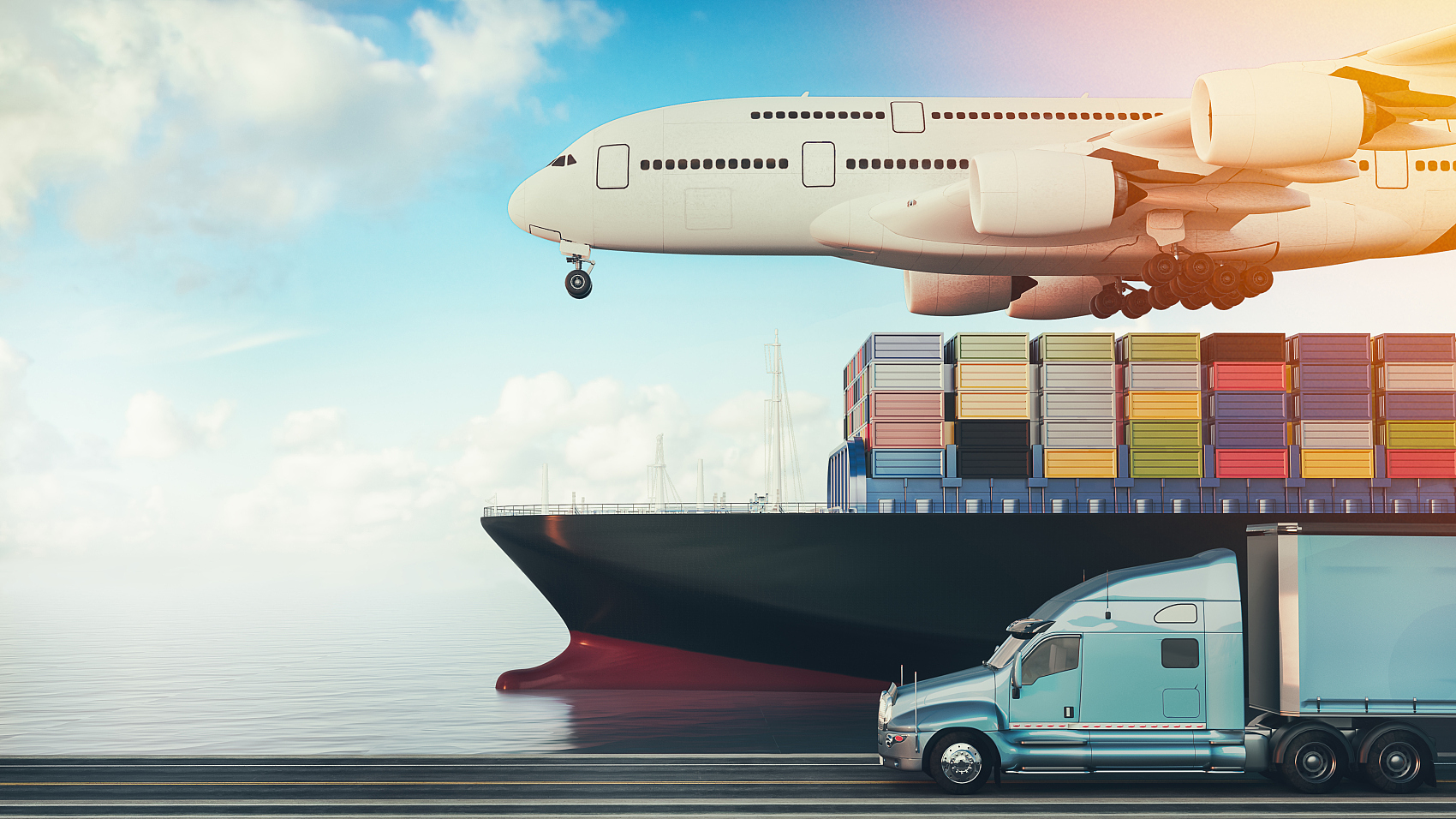
For instance, air freight offers significantly faster transit times, often just 5-7 days from China to Europe, but at a much higher cost. This method is ideal for urgent, high-value, or time-sensitive goods like pharmaceuticals or electronics. Conversely, FCL sea freight provides a highly cost-effective solution for larger, less time-critical shipments.
Rail freight, while not always direct, presents a viable middle ground between sea and air. It offers faster transit than sea freight (typically 18-25 days) and is considerably more economical than air freight. However, rail capacity can be limited, and routes may not serve all destinations directly, requiring careful planning.
For smaller volumes, LCL (Less than Container Load) shipping is an alternative option. While it avoids the cost of a full container, it involves more handling, consolidation, and deconsolidation at various hubs. Consequently, LCL typically has longer transit times and a higher risk of delays compared to FCL.
| Shipping Method | Cost Range (per 40HQ/equivalent) | Transit Time (China to Czech Rep.) | Best For | Limitations |
|---|---|---|---|---|
| FCL Sea Freight | $3,000 – $4,200 | 30-45 days | Large volumes, non-urgent goods | Slower transit, port congestion risks |
| LCL Sea Freight | $80-150 per CBM | 35-50 days | Smaller volumes (under 15 CBM) | Shared space, more handling, potential delays |
| Rail Freight | $8,000 – $12,000 | 18-25 days | Medium urgency, specific rail hubs | Limited capacity, less flexible routes |
| Air Freight | $15,000 – $25,000 | 5-7 days | Urgent, high-value, perishable goods | Very high cost, volume/weight restrictions |
Alternative Shipping Strategies and Decision Framework
Exploring alternative strategies can further optimize your logistics and provide flexibility. For example, a hybrid sea-air solution might be considered for moderately urgent cargo, combining the cost-effectiveness of sea freight with the speed of air freight for the final leg. This innovative approach effectively balances budget and delivery speed.
When making your choice, consider a clear decision framework based on your priorities. If budget is your primary concern, FCL sea freight is almost always the most economical option for substantial volumes. Conversely, if speed is paramount, air freight remains unrivaled, despite its significantly higher cost.
Cargo type also plays a significant role in method selection. Perishable goods, high-value electronics, or delicate machinery often benefit from faster, more secure air or rail transport. However, for durable goods like furniture, textiles, or general merchandise, the cost efficiency of FCL shipping from China to Czech Republic often outweighs the longer transit time. For larger project cargo or heavy machinery, rail freight can also be a strong contender.
Real-World FCL Shipping Scenarios to the Czech Republic
Examining real-world examples illustrates the complexities and solutions involved in FCL shipping from China to the Czech Republic. These case studies highlight various challenges and how strategic planning effectively addresses them. They showcase the practical application of understanding sailing schedules and logistics.
Case Study 1: Electronics Component Shipment to Prague
Key Insight: Q4 peak season rates were 15% higher; timely booking secured vessel space for this urgent cargo.
| Field | Details |
|---|---|
| Route | Shenzhen, China Prague, Czech Republic |
| Cargo | Electronic Components, 28 CBM, 15,000 kg |
| Container | 40GP |
| Carrier/Service | COSCO via Hamburg |
| Port of Loading | Shenzhen |
| Port of Discharge | Hamburg, Germany |
| Route Type | Transshipment via Singapore, then Rail to Prague |
| Ocean Freight | $3,800 |
| Origin Charges (THC, documentation) | $350 |
| Destination Charges (Hamburg) | $450 |
| Customs & Duties (estimated) | $800 |
| Inland Rail (Hamburg-Prague) | $1,200 |
| Total Landed Cost | $6,600 |
| Booking to Loading | 5 days |
| Sea Transit | 30 days |
| Customs Clearance | 3 days |
| Inland Transit | 2 days |
| Total Door-to-Door | 40 days |
Case Study 2: Furniture Import for a Brno Retailer
Key Insight: Utilizing a direct service reduced overall transit time and simplified logistics for this regular importer.
| Field | Details |
|---|---|
| Route | Ningbo, China Brno, Czech Republic |
| Cargo | Flat-pack Furniture, 65 CBM, 9,000 kg |
| Container | 40HQ |
| Carrier/Service | MSC via Rotterdam |
| Port of Loading | Ningbo |
| Port of Discharge | Rotterdam, Netherlands |
| Route Type | Direct service, then Truck to Brno |
| Ocean Freight | $3,950 |
| Origin Charges (THC, documentation) | $300 |
| Destination Charges (Rotterdam) | $400 |
| Customs & Duties (estimated) | $1,100 |
| Inland Truck (Rotterdam-Brno) | $1,500 |
| Total Landed Cost | $7,250 |
| Booking to Loading | 7 days |
| Sea Transit | 32 days |
| Customs Clearance | 2 days |
| Inland Transit | 2 days |
| Total Door-to-Door | 43 days |
Case Study 3: Machinery Parts to Ostrava
Key Insight: Choosing Koper as a discharge port offered a slightly shorter sea transit to Eastern Czech Republic, proving efficient for heavy goods.
| Field | Details |
|---|---|
| Route | Shanghai, China Ostrava, Czech Republic |
| Cargo | Machinery Parts, 20 CBM, 22,000 kg |
| Container | 20GP (heavy cargo) |
| Carrier/Service | Maersk via Koper |
| Port of Loading | Shanghai |
| Port of Discharge | Koper, Slovenia |
| Route Type | Direct service, then Truck to Ostrava |
| Ocean Freight | $2,600 |
| Origin Charges (THC, documentation) | $320 |
| Destination Charges (Koper) | $380 |
| Customs & Duties (estimated) | $950 |
| Inland Truck (Koper-Ostrava) | $1,300 |
| Total Landed Cost | $5,550 |
| Booking to Loading | 6 days |
| Sea Transit | 28 days |
| Customs Clearance | 3 days |
| Inland Transit | 1 day |
| Total Door-to-Door | 38 days |
Optimizing Your FCL Supply Chain for the Czech Republic
Effective optimization of your FCL supply chain from China to the Czech Republic demands proactive strategies and a strong partnership. Planning ahead is paramount, ensuring bookings are made well in advance, especially during peak seasons like before Chinese New Year or during Q3/Q4. This foresight helps secure favorable rates and reliable vessel space.
Choosing a reputable and experienced freight forwarder is equally crucial for smooth operations. A reliable partner can offer valuable insights into the best routes, carriers, and customs procedures, streamlining your entire import process. They can also advise on optimal container shipping options China Czech Republic for your specific cargo.
Furthermore, understanding Incoterms (International Commercial Terms) is essential for clearly defining responsibilities and costs between the buyer and seller. Consider comprehensive freight insurance to protect against unforeseen incidents during transit, providing financial security for your valuable cargo.
For integrated solutions, value-added services such as warehousing, distribution, or even specialized Amazon FBA logistics support can be leveraged for seamless distribution upon arrival in Europe. This holistic approach ensures cost-effective FCL shipping solutions and a highly efficient end-to-end supply chain.
Conclusion
Effectively managing the sailing schedule for FCL shipping from China to Czech Republic is paramount for any business importing goods. By understanding routes, costs, and documentation, you can ensure a smooth and efficient supply chain. Partnering with experienced freight forwarders like China Top Freight simplifies this complex process, ensuring your cargo arrives on time and within budget.
Need a tailored shipping solution?
Ready to streamline your FCL shipments from China to the Czech Republic? Do not let complex logistics hinder your business growth. Contact us today for a personalized quote and discover how our expertise in the sailing schedule for FCL shipping from China to Czech Republic can benefit you.