

40HQ FCL Space Availability for Lighting from China to Chicago
Importing lighting products from China to Chicago demands careful planning, especially when securing 40HQ FCL space. Many businesses face challenges with fluctuating freight rates and limited container availability. This comprehensive guide will help you navigate the complexities of international shipping, ensuring your lighting fixtures arrive safely and on schedule. China Top Freight offers tailored solutions to streamline your entire logistics process.
Understanding 40HQ FCL Space Availability for Lighting from China to Chicago
Securing adequate shipping space is crucial for any importer, particularly for bulky items like lighting fixtures. A 40HQ (40-foot High Cube) Full Container Load (FCL) offers significant advantages for businesses moving large volumes. This method provides dedicated space, reducing handling and potential damage.
Furthermore, understanding the nuances of FCL shipping directly impacts your overall logistics strategy and cost-effectiveness. It ensures your cargo is not consolidated with others, thus avoiding potential delays or misdeliveries.
Consequently, monitoring 40HQ FCL space availability for lighting from China to Chicago becomes a top priority. This proactive approach allows for better planning and more predictable supply chain operations.
What is 40HQ FCL and Why it Matters for Lighting?
A 40HQ container measures 40 feet long, 8 feet wide, and 9.5 feet high, offering approximately 76 CBM (cubic meters) of usable space. This makes it an ideal choice for transporting large quantities of lighting products, including commercial LED panels, decorative chandeliers, or industrial fixtures.
Choosing FCL means your goods occupy the entire container. Therefore, this minimizes the risk of damage from co-loading with other shipments. It also simplifies the loading and unloading process, enhancing efficiency at both origin and destination ports.
Benefits of Full Container Load (FCL) for Fragile Goods
Opting for FCL shipping provides numerous benefits, especially when dealing with fragile lighting equipment. Primarily, it offers enhanced security and protection during transit. Your cargo remains sealed within the container from origin to destination.
Additionally, FCL often results in faster transit times compared to LCL (Less than Container Load) because there is no need for consolidation or deconsolidation at various hubs. Moreover, it can be more cost-effective for larger volumes, as pricing is based on the container, not per CBM.
Key Factors Influencing Container Availability
Several factors impact 40HQ container availability for routes from China to Chicago. Global trade volumes, port congestion, and carrier capacity play significant roles. For instance, peak shipping seasons often lead to tighter space and higher rates.
Furthermore, unforeseen global events, such as port strikes or natural disasters, can drastically reduce available space. Therefore, booking well in advance and maintaining flexibility in your shipping schedule are critical strategies. Monitoring these trends helps anticipate potential challenges.
Current Market Outlook: 40HQ FCL Freight Rates and Capacity
The landscape of international freight rates is dynamic, constantly influenced by global supply and demand. As of early 2025, freight rates from major Chinese ports to Chicago have seen some stabilization following recent global disruptions. However, rates can still fluctuate significantly.
Consequently, staying informed about current market conditions is essential for budgeting and procurement. Carriers adjust their pricing based on fuel costs, vessel capacity, and regional demand. This makes real-time quotes invaluable for accurate planning.
| Container Type | Origin (China) | Destination (USA Midwest) | Ocean Freight Range | Typical Transit Time |
|---|---|---|---|---|
| 40HQ FCL | Shanghai/Ningbo/Shenzhen | Chicago (via rail from West Coast) | $4,500 – $6,000 | 30-35 days |
Analyzing Freight Rates from China to Chicago
Freight rates for 40HQ FCL from China to Chicago typically encompass various charges. These include ocean freight, bunker adjustment factors (BAF), currency adjustment factors (CAF), and terminal handling charges (THC). Destination charges in Chicago also contribute to the total cost.
Overall, rates can vary based on the specific port of loading in China (e.g., Shanghai, Ningbo, Shenzhen) and the exact final destination in the Chicago area. Furthermore, negotiating with reputable freight forwarders can often secure more favorable terms.
Seasonal Fluctuations and Peak Season Surcharges
Importers must account for seasonal variations in freight rates and space availability. Peak seasons, notably before major holidays like Chinese New Year and during the Q3-Q4 period (August to October) for holiday shopping, see significant price increases and reduced space.
During these times, carriers often implement peak season surcharges (PSS) and general rate increases (GRI). Planning your shipments to avoid these periods, or booking much earlier, can result in substantial cost savings. Therefore, proactive scheduling is a key strategy.
Optimizing Your Lighting Supply Chain: Transit Times and Routes
Efficient transit times are vital for maintaining inventory levels and meeting project deadlines. The journey for 40HQ FCL lighting from China to Chicago involves several stages, each contributing to the overall delivery schedule. Understanding these stages allows for better supply chain management.
Moreover, selecting the right route and port combination can significantly impact both speed and cost. Different carriers offer varying service levels and route options, providing flexibility for importers. Consequently, careful route planning is paramount.
| Origin Port (China) | Destination (Chicago) | Route Type | Estimated Sea Transit | Estimated Rail Transit | Total Port-to-Port |
|---|---|---|---|---|---|
| Shanghai | Chicago | Via LA/LB (Rail) | 14-18 days | 7-10 days | 21-28 days |
| Ningbo | Chicago | Via LA/LB (Rail) | 16-20 days | 7-10 days | 23-30 days |
| Shenzhen | Chicago | Via LA/LB (Rail) | 18-22 days | 7-10 days | 25-32 days |
| Xiamen | Chicago | Via LA/LB (Rail) | 18-22 days | 7-10 days | 25-32 days |
Standard Transit Times for China to Chicago
For FCL shipments from China to Chicago, standard sea transit times typically range from 30 to 35 days. This duration generally includes ocean transit to a West Coast port (e.g., Los Angeles, Long Beach) and subsequent rail transit to Chicago. Factors like port congestion and weather can extend these times.
Furthermore, door-to-door service will add a few extra days for drayage at both ends. It is important to factor in these additional days when calculating your overall delivery timeline. Accurate planning prevents unexpected delays in receiving your lighting products.
Direct vs. Transshipment Routes to Chicago
Most FCL shipments from China to Chicago involve transshipment, usually through a major West Coast port like Los Angeles or Long Beach. From there, containers are transferred to rail for onward movement to inland destinations such as Chicago.
While direct all-water routes to the East Coast exist, they generally have longer sea transit times (e.g., 35-45 days) to bypass the Panama Canal. However, they avoid the potential for rail delays from the West Coast. Importers must weigh transit time against potential cost savings and reliability.
Essential Logistics Considerations for Lighting Imports
Importing lighting fixtures involves more than just booking 40HQ FCL space. Several crucial logistics elements must be meticulously managed to ensure a smooth and compliant process. These considerations protect your investment and prevent costly delays.
Indeed, understanding these aspects from the outset can significantly streamline your operations. From proper documentation to safeguarding your cargo, each step requires attention to detail. This holistic approach guarantees successful delivery.
Customs Clearance and USA Import Regulations
Navigating USA customs regulations is a complex but mandatory step for importing lighting from China. All lighting products must comply with relevant safety standards (e.g., UL listings, FCC regulations) and energy efficiency requirements. Proper documentation, including commercial invoices, packing lists, and bills of lading, is essential.
Utilizing an experienced customs brokerage service is highly recommended. They can ensure accurate tariff classification, calculate duties and taxes, and facilitate timely clearance, preventing costly demurrage or detention charges. Therefore, expert assistance is invaluable.
Packaging and Cargo Handling for Lighting Fixtures
Lighting products, ranging from delicate glass components to sensitive electronics, require specialized packaging. Manufacturers should use robust cartons, adequate cushioning, and proper labeling to withstand the rigors of ocean transit. Fragile items demand extra protection.
Furthermore, ensuring correct loading procedures within the 40HQ container is vital. Proper dunnage and bracing prevent shifting and damage during sea and rail journeys. Consequently, clear communication with your supplier about packaging standards is critical.
The Role of Cargo Insurance
Despite careful planning and packaging, unforeseen events can occur during international shipping. Cargo insurance provides financial protection against loss or damage to your lighting products due to accidents, theft, or natural disasters. This is a small investment for significant peace of mind.
Moreover, standard carrier liability is often limited and may not cover the full value of your high-value lighting cargo. Therefore, securing comprehensive ‘all-risk’ cargo insurance is strongly advised. It safeguards your investment against various potential risks.
How Does FCL Ocean Freight Compare to Other Shipping Options?
While 40HQ FCL ocean freight is often the most economical choice for large volumes of lighting, it is not the only option. Importers should consider alternatives based on factors like urgency, cargo size, and budget. Each method presents its own set of advantages and limitations.
Consequently, an objective analysis of all viable alternatives is crucial for making informed logistics decisions. Understanding these trade-offs helps in optimizing your supply chain for different scenarios. This comparison highlights key differences.
| Shipping Method | Cost Range (40HQ equivalent) | Transit Time (China to Chicago) | Best For | Limitations |
|---|---|---|---|---|
| Ocean FCL (40HQ) | $4,500 – $6,000 | 30-35 days | Large volumes, cost-sensitive, non-urgent, heavy/bulky lighting | Long transit time, less flexibility once loaded, port congestion risks |
| Ocean LCL (Less than Container Load) | $80-120/CBM (for smaller volumes) | 35-45 days | Smaller shipments (under 15 CBM), flexible quantities | Longer transit, more handling, higher risk of damage, per CBM cost can exceed FCL for larger LCL shipments |
| Air Freight | $15,000 – $25,000 (for 5-10 CBM, lighting is dense) | 5-8 days | Urgent, high-value, small volume, time-sensitive project lighting | Very high cost, strict weight/volume limits, higher carbon footprint |
| Sea-Air Hybrid | $8,000 – $12,000 | 15-20 days | Moderate urgency, balance of cost and speed, e.g., sea to West Coast, then air to Chicago | Still more expensive than pure sea, additional handling points, limited availability |
Real-World Scenarios: Successful Lighting Shipments to Chicago
Examining real-world case studies provides practical insights into managing 40HQ FCL space availability for lighting from China to Chicago. These examples illustrate common challenges and successful strategies. They highlight the importance of meticulous planning and expert partnership.
Based on Q3 2024 market rates and typical logistics operations, these scenarios demonstrate how different factors impact the overall shipping process. They offer a tangible perspective on cost and time implications. Indeed, each shipment presents unique requirements.
Case Study 1: Large Volume Commercial LED Panels
This case involved a US distributor importing a substantial order of commercial LED panels for a new office complex in Chicago. The client prioritized cost-efficiency and consistent supply. The chosen solution focused on maximizing FCL utilization.
The freight forwarder coordinated with multiple factories to consolidate the cargo efficiently. This approach ensured the 40HQ container was fully utilized. Consequently, significant per-unit shipping cost savings were realized.
| Field | Value |
|---|---|
| Route | Ningbo, China -> Chicago, USA |
| Cargo | LED Panels (Commercial Grade), 68 CBM, 14,500 kg |
| Container | 40HQ FCL |
| Shipping Details | Major carrier (e.g., COSCO), Port of Loading: Ningbo, Port of Discharge: Chicago (via Long Beach rail), Route Type: Transshipment |
| Cost Breakdown | Ocean Freight: $5,200, Origin Charges: $550, Destination Charges: $700, Customs & Duties (estimated): $1,400, Total Landed Cost: $7,850 |
| Timeline | Booking to Loading: 6 days, Sea Transit: 28 days, Customs Clearance: 4 days, Total Door-to-Door: 40 days |
| Key Insight | Efficient consolidation from multiple suppliers into one 40HQ container optimized costs and reduced per-unit shipping expenses, despite a standard transit time. |

Case Study 2: Mixed Decorative Lighting Fixtures
A boutique lighting retailer in Chicago needed to import a diverse range of decorative fixtures from several small manufacturers in Guangdong. Fragility and careful handling were paramount due to the varied materials and designs. The challenge was to ensure safe transit for delicate items.
The solution involved specialized packaging advice to each supplier and careful container loading. The forwarder utilized robust dunnage and bracing techniques. This minimized movement and potential damage during the long journey. This proactive approach paid off significantly.
| Field | Value |
|---|---|
| Route | Shenzhen, China -> Chicago, USA |
| Cargo | Decorative Lighting Fixtures (Glass, Metal, Wood), 60 CBM, 9,000 kg |
| Container | 40HQ FCL |
| Shipping Details | Major carrier (e.g., MSC), Port of Loading: Shenzhen, Port of Discharge: Chicago (via Los Angeles rail), Route Type: Transshipment |
| Cost Breakdown | Ocean Freight: $5,800, Origin Charges: $600, Destination Charges: $750, Customs & Duties (estimated): $1,800, Total Landed Cost: $8,950 |
| Timeline | Booking to Loading: 8 days, Sea Transit: 30 days, Customs Clearance: 5 days, Total Door-to-Door: 45 days |
| Key Insight | Detailed packaging instructions and careful container loading were crucial for preventing damage to fragile decorative lighting, extending overall lead time slightly but ensuring cargo integrity. |
Case Study 3: Time-Sensitive Project Lighting
This scenario involved a construction project in downtown Chicago requiring specific lighting fixtures from China with a tight deadline. The client needed a balance between cost and speed, making traditional ocean freight a potential risk. A hybrid solution was explored.
The freight forwarder proposed a sea-air option, shipping via ocean to the USA West Coast, then air freight for the final leg to Chicago. This reduced overall transit time significantly. It ensured the project remained on schedule, albeit at a higher cost. This demonstrates strategic flexibility.
| Field | Value |
|---|---|
| Route | Shanghai, China -> Chicago, USA |
| Cargo | Specialized Project Lighting, 30 CBM, 5,000 kg |
| Container | 40HQ FCL (Partial use for sea leg, then air) |
| Shipping Details | Major carrier (e.g., Evergreen for sea, FedEx Cargo for air), Port of Loading: Shanghai, Port of Discharge: Los Angeles (sea), then O’Hare (air), Route Type: Sea-Air Hybrid |
| Cost Breakdown | Ocean Freight (to LA): $3,000, Air Freight (LA to ORD): $6,500, Origin Charges: $400, Destination Charges: $650, Customs & Duties (estimated): $1,000, Total Landed Cost: $11,550 |
| Timeline | Booking to Loading: 5 days, Sea Transit (to LA): 16 days, Air Transit (LA to ORD): 2 days, Customs Clearance: 2 days, Total Door-to-Door: 25 days |
| Key Insight | A strategic sea-air hybrid solution effectively reduced transit time for a time-sensitive project, balancing cost and urgency by leveraging the strengths of both modes. |
Strategic Decision-Making: Which Shipping Option is Best for You?
Choosing the optimal shipping method for your lighting imports to Chicago requires a clear understanding of your priorities. There is no one-size-fits-all solution; instead, decisions should align with your specific business needs. This framework helps in making an informed choice.
Consider your budget, time constraints, and the nature of your cargo carefully. Evaluating these factors will guide you toward the most suitable logistics strategy. Consequently, a well-thought-out approach minimizes risks and maximizes efficiency.
Prioritizing Cost-Effectiveness
If cost is your primary concern and you have ample lead time, 40HQ FCL ocean freight is undoubtedly the most economical option for large volumes. This method offers the lowest per-unit cost for your lighting products. Therefore, it is ideal for non-urgent, high-volume orders.
For smaller volumes that still require FCL protection, consider consolidating orders to fill a 40HQ. Alternatively, for very small shipments, LCL might be considered, but be aware of higher per-CBM costs and longer transit times. Always get a detailed quote.
When Speed is Paramount
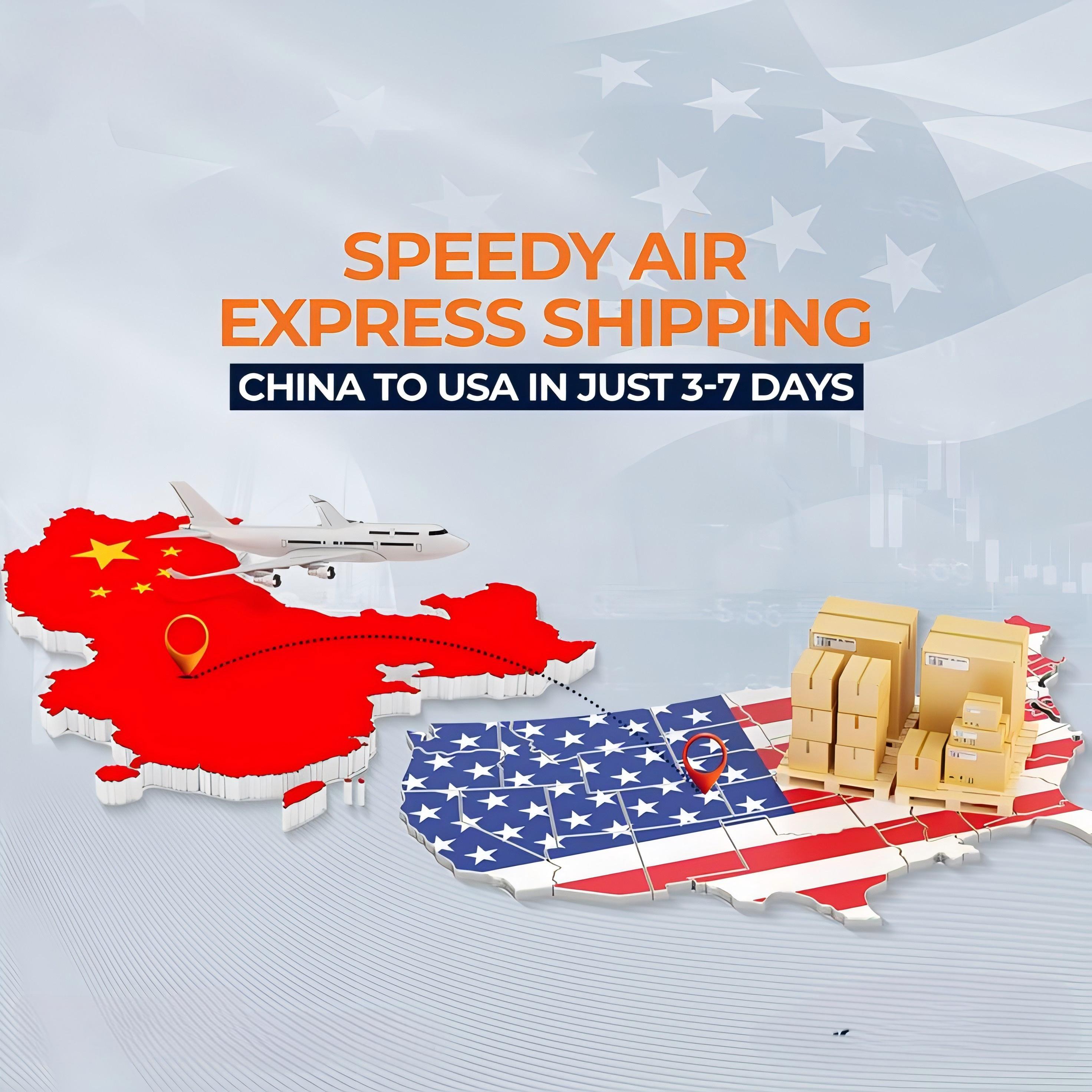
For urgent lighting shipments or critical project deadlines, air freight is the fastest solution, albeit at a significantly higher cost. It delivers your cargo in days rather than weeks. This option is suitable for high-value items or emergency stock replenishment.
A sea-air hybrid solution offers a compromise, balancing speed with a more moderate cost. This can be particularly effective for unforeseen delays or when a few weeks of transit time reduction is crucial. Assess the trade-off between speed and budget carefully.
Handling Delicate and High-Value Lighting
Fragile lighting fixtures, such as crystal chandeliers or custom-made pieces, benefit greatly from the dedicated space of a 40HQ FCL. This minimizes handling and reduces the risk of damage. Proper internal packaging and container bracing are still essential.
Furthermore, for extremely high-value or exceptionally delicate items, air freight might be considered for its faster transit and typically more gentle handling. Always ensure robust cargo insurance is in place, regardless of the chosen method. This protects your valuable investment.
Partnering with an Expert for Seamless Lighting Logistics
Navigating the complexities of international shipping, especially for specialized cargo like lighting from China to Chicago, can be daunting. Partnering with a professional freight forwarder simplifies the entire process. An experienced partner offers invaluable expertise and support.
They can secure optimal 40HQ FCL space availability, negotiate favorable freight rates, and manage all customs and documentation requirements. This collaboration allows you to focus on your core business while ensuring efficient logistics. Visit North America services for more details.
Comprehensive Door-to-Door Solutions
A reliable freight forwarder offers comprehensive door-to-door services, managing every step from your supplier’s factory in China to your warehouse in Chicago. This includes origin pickup, customs clearance, ocean freight, rail transit, and final delivery.
This integrated approach streamlines your supply chain, reduces administrative burden, and minimizes potential points of failure. Consequently, it provides a hassle-free experience for importers. Such services are crucial for complex international movements.
Leveraging Technology for Supply Chain Visibility
Modern freight forwarders utilize advanced technology to provide real-time tracking and visibility of your 40HQ FCL lighting shipments. This transparency allows you to monitor your cargo’s progress at every stage. You can anticipate arrival times and manage inventory more effectively.
Indeed, this level of visibility is crucial for proactive problem-solving and maintaining a responsive supply chain. It empowers businesses with the information needed for optimal decision-making. Therefore, choose a partner with robust technological capabilities.
Conclusion
Successfully importing lighting products via 40HQ FCL from China to Chicago requires a blend of market understanding, strategic planning, and reliable partnerships. Monitoring space availability, analyzing freight rates, and understanding transit times are all critical components. By focusing on these elements, businesses can navigate the complexities of international logistics effectively.
Moreover, selecting the right shipping method, ensuring proper customs compliance, and adequately protecting your cargo are paramount. Partnering with an experienced freight forwarder who specializes in the China-USA trade lane can significantly streamline your operations. Ultimately, this ensures your lighting shipments arrive on time and within budget, strengthening your supply chain for the future.
Get Your Shipping Quote Today
Ready to secure your 40HQ FCL space for lighting from China to Chicago? Contact our experts today for a personalized quote and tailored logistics solutions. We are committed to ensuring your cargo arrives safely and efficiently. Send an inquiry to streamline your shipping process now.
Request Quote