

FCL Shipping China to Seattle: Transit Time Insights
“Understanding the precise transit time for FCL shipping from China to Seattle is crucial for effective supply chain management. Businesses often face challenges like unexpected delays and fluctuating schedules, which can disrupt operations. This comprehensive guide provides expert insights into typical transit durations, influencing factors, and optimization strategies to ensure your cargo arrives efficiently.”
Understanding FCL Transit Time: China to Seattle
❖Full Container Load (FCL) shipping involves booking an entire container, typically a 20-foot or 40-foot unit, for your exclusive use. This method offers greater security and generally faster transit times compared to Less than Container Load (LCL) options.
The journey from major Chinese ports like Shanghai or Shenzhen to Seattle’s bustling port is a critical route for many importers. Therefore, knowing the expected transit time for FCL shipping from China to Seattle allows for better planning and inventory control. It also helps manage customer expectations effectively.
Generally, direct FCL routes to the US West Coast are among the fastest for ocean freight. However, various elements can significantly impact these timelines. Consequently, careful consideration of all variables becomes essential for successful logistics.
Key Factors Influencing FCL Transit Times to Seattle
❖Several critical elements collectively determine the overall transit time for FCL shipping from China to Seattle. Understanding these factors helps businesses anticipate potential delays and plan accordingly.
Firstly, the specific port of origin in China plays a significant role. Major ports like Shanghai, Ningbo, Shenzhen, and Qingdao typically offer more frequent sailings and direct routes. Conversely, shipments from smaller, less frequented ports might require transshipment, adding days to the journey.
Secondly, vessel speed and service routes are crucial. Some carriers offer express services with fewer stops, while others take longer, more circuitous paths. Moreover, direct sailings are always faster than routes involving transshipment through intermediate ports like Busan or Tokyo.
Thirdly, port congestion at both the origin and destination can cause substantial delays. For example, during peak seasons or unforeseen events, ships might wait for days to berth and unload in Seattle. This directly impacts the final delivery schedule.
Furthermore, weather conditions, such as typhoons in Asia or storms in the Pacific, can force ships to alter their course or reduce speed. Consequently, these natural occurrences contribute to extended transit times. Seasonal demand also affects vessel availability and pricing, leading to potential booking delays.
Finally, customs clearance procedures and documentation accuracy are vital. Any discrepancies or incomplete paperwork can lead to significant hold-ups at the port of entry in Seattle. Therefore, ensuring all import/export documents are precise is paramount.
Typical Transit Times for FCL Shipping Routes to Seattle
❖The average transit time for FCL shipping from China to Seattle largely depends on the departure port and service type. Direct services are generally the quickest, offering a more predictable delivery schedule.
For instance, shipments from major ports like Shanghai or Ningbo often reach Seattle within 14 to 18 days via direct routes. Similarly, voyages from Southern China ports like Shenzhen (Yantian) usually take 16 to 20 days. These figures represent the port-to-port journey only.
However, when transshipment is involved, transit times can extend significantly. For example, a route via Busan, South Korea, might add an additional 5-7 days. Consequently, the total port-to-port time could range from 20 to 25 days or even longer.
It is important to note that these are sea transit estimates. The overall door-to-door delivery schedule will also incorporate pre-carriage, customs clearance, and drayage at the destination. Therefore, planning for these additional stages is essential for a realistic timeline.
| Origin Port (China) | Destination Port (Seattle) | Typical Sea Transit (Days) | Service Type |
|---|---|---|---|
| Shanghai | Seattle | 14-18 | Direct |
| Ningbo | Seattle | 15-19 | Direct |
| Shenzhen (Yantian) | Seattle | 16-20 | Direct |
| Qingdao | Seattle | 18-22 | Direct |
| Any Major Port | Seattle | 20-25+ | Transshipment |
How Does FCL Sea Freight Compare to Other Shipping Options?
❖While FCL sea freight is a popular choice, understanding its position relative to other shipping methods is vital for informed decision-making. Each option presents unique trade-offs concerning cost, speed, and capacity. Therefore, evaluating your priorities is crucial.
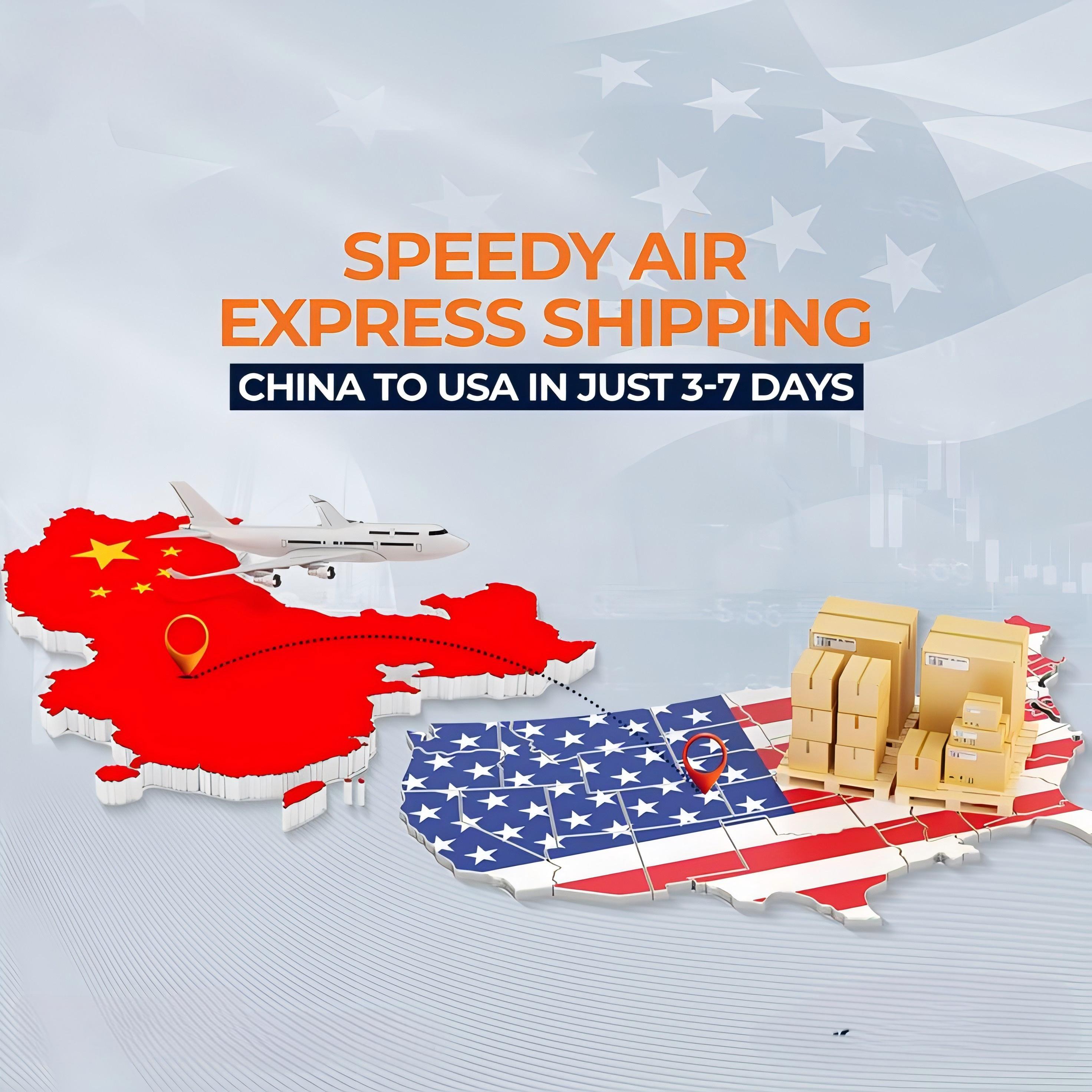
For example, air freight offers significantly faster transit times, typically 3-7 days from China to Seattle. However, this speed comes at a much higher cost, making it suitable only for high-value, urgent, or perishable goods. Air freight is impractical for large, heavy FCL shipments.
Conversely, Less than Container Load (LCL) sea freight is generally more economical for smaller volumes, usually under 15 CBM. However, LCL shipments involve consolidation and deconsolidation processes, which add several days to the overall transit time. Consequently, LCL can be 7-10 days slower than FCL.
Rail freight is not a direct option for China to Seattle, as it primarily serves destinations in Europe and Central Asia. Therefore, for North American routes, the primary comparison remains between ocean and air. Sea freight consistently provides the best balance of cost and capacity for bulk cargo.
Hybrid solutions, such as sea-air, combine the benefits of both. Goods are shipped by sea to a transshipment hub (e.g., Korea) and then flown to Seattle. This method shortens transit time compared to all-sea, but it also increases overall shipping costs. Ultimately, the choice depends on your specific supply chain needs.
| Shipping Method | Cost Range (per kg/CBM) | Typical Transit Time (China to Seattle) | Best For | Limitations |
|---|---|---|---|---|
| FCL Sea Freight | Low ($0.05-$0.15/kg) | 14-25 days | Large volumes, heavy goods, cost-effective | Slowest, port congestion risk |
| LCL Sea Freight | Medium ($0.15-$0.30/kg) | 20-35 days | Smaller volumes (under 15 CBM), cost-effective | Slower than FCL, more handling |
| Air Freight | High ($4-$8+/kg) | 3-7 days | Urgent, high-value, perishable goods | Very expensive, limited capacity for heavy/bulky |
Optimizing Your FCL Shipping: Strategies for Efficiency
❖To minimize the transit time for FCL shipping from China to Seattle, several proactive strategies can be implemented. These approaches focus on preparation, carrier selection, and effective communication.
Firstly, pre-booking your FCL shipments well in advance, especially during peak seasons, is crucial. This secures vessel space and helps avoid delays caused by overbooked ships. Furthermore, consider using reliable freight forwarders who have strong relationships with carriers.
Secondly, choosing direct services over transshipment routes whenever possible will significantly reduce transit time. While direct routes might sometimes incur slightly higher FCL freight rates, the time savings often justify the additional cost. Therefore, evaluate the urgency of your cargo.
Thirdly, ensure all necessary documentation is accurate and complete before the container leaves the origin port. Errors in paperwork can lead to customs holds at the destination. Moreover, proper cargo handling and loading procedures prevent damage and potential inspection delays.
Finally, for end-to-end efficiency, consider utilizing door-to-door delivery services. This streamlines the entire logistics chain, from factory pickup in China to final delivery in Seattle. This integrated approach reduces coordination efforts and potential hand-off delays, ultimately optimizing your supply chain.
Navigating Customs and Documentation for Seattle Imports
❖Efficient customs clearance is a critical component of managing the transit time for FCL shipping from China to Seattle. Delays at this stage can negate any time saved during ocean transit. Therefore, meticulous preparation is key.
Importers must ensure all required documents, including the commercial invoice, packing list, bill of lading, and certificate of origin, are accurately prepared. Any discrepancies can lead to examinations or holds by US Customs and Border Protection (CBP). This directly impacts your import duties Seattle calculations.
Engaging a reputable customs brokerage service is highly recommended. These professionals can navigate complex regulations, ensure compliance, and expedite the clearance process. They are invaluable for avoiding common pitfalls and reducing transit delays.
Furthermore, understanding specific US import regulations and product-specific requirements is essential. Certain goods may require permits from agencies like the FDA or EPA. Proactive compliance ensures a smoother entry into the US market, preventing unforeseen complications.
For businesses utilizing Amazon’s fulfillment network, efficient customs clearance is even more critical. Delays can impact inventory levels and sales. Many importers leverage specialized services like Amazon FBA shipping to streamline this complex process, ensuring goods reach Amazon warehouses on time.
Case Studies: Real-World FCL Shipments to Seattle
❖Examining real-world scenarios provides practical insights into the complexities and typical transit time for FCL shipping from China to Seattle. These examples highlight how various factors influence overall delivery.
Based on Q3 2024 market rates, these cases illustrate common shipping experiences. They underscore the importance of meticulous planning and choosing the right shipping partners. Understanding these examples can help you better anticipate your own logistics challenges.
Case Study 1: Electronics Import for E-commerce
This case involved an e-commerce business importing consumer electronics, requiring relatively fast and reliable delivery. Pre-booking was essential to secure space during a busy period.
| Detail | Description |
|---|---|
| Route | Shenzhen, China -> Seattle, USA |
| Cargo | Consumer Electronics, 60 CBM, 15,000 kg |
| Container | 40HQ |
| Carrier/Service | COSCO (Direct) |
| Port of Loading | Yantian (Shenzhen) |
| Port of Discharge | Port of Seattle |
| Route Type | Direct |
| Ocean Freight | $3,500 |
| Origin Charges | $450 |
| Destination Charges | $550 |
| Customs & Duties (est.) | $1,200 |
| Total Landed Cost | $5,700 |
| Booking to Loading | 5 days |
| Sea Transit | 16 days |
| Customs Clearance | 3 days |
| Total Door-to-Door | 24 days |
| Key Insight | Pre-booking and accurate documentation streamlined the process, despite minor port congestion. |
Case Study 2: Industrial Components for Manufacturing
A manufacturing company needed to import heavy industrial components, prioritizing cost-effectiveness over absolute speed. A transshipment option provided a balanced solution for their budget.
| Detail | Description |
|---|---|
| Route | Shanghai, China -> Seattle, USA |
| Cargo | Textile Machinery Parts, 45 CBM, 18,000 kg |
| Container | 40GP |
| Carrier/Service | Maersk (Transshipment) |
| Port of Loading | Shanghai |
| Port of Discharge | Port of Seattle |
| Route Type | Transshipment via Busan, South Korea |
| Ocean Freight | $2,800 |
| Origin Charges | $400 |
| Destination Charges | $500 |
| Customs & Duties (est.) | $900 |
| Total Landed Cost | $4,600 |
| Booking to Loading | 7 days |
| Sea Transit | 20 days |
| Customs Clearance | 4 days |
| Total Door-to-Door | 31 days |
| Key Insight | Choosing a transshipment route offered cost savings but added a few days. Effective communication with customs brokers was crucial. |
Which Shipping Option Should You Choose?
❖Selecting the optimal shipping method for your FCL cargo to Seattle requires a clear decision framework. Your priorities will dictate the best approach, balancing cost, speed, and cargo specificities.
If budget priority is paramount, FCL sea freight with a transshipment route is often the most economical choice. However, be prepared for longer transit time for FCL shipping from China to Seattle. This option suits businesses with flexible inventory schedules.
Conversely, if speed is your highest priority, especially for time-sensitive goods, then air freight is the undisputed winner. Despite its higher cost, it guarantees the fastest delivery. For large volumes, however, FCL direct sea freight offers a good balance of speed and cost.
Cargo type considerations also play a role. Hazardous materials, oversized items, or temperature-controlled goods may have specific carrier requirements or limitations. Always consult with a freight forwarder for specialized cargo handling.
Finally, consider volume thresholds for switching methods. For instance, if your shipment consistently fills an entire container, FCL is always more efficient than LCL. If your volume fluctuates, a flexible freight forwarder can recommend the best solution for each shipment, optimizing overall logistics trends.
Market Insights and Future Trends Affecting Transit Times
❖The landscape of global shipping is constantly evolving, with several factors influencing the transit time for FCL shipping from China to Seattle. Staying informed about market conditions is crucial for strategic planning.
As of early 2025, freight rates from China to the US West Coast have seen some stabilization after recent global disruptions. However, seasonal patterns continue to cause fluctuations. Rates typically increase 15-25% during August-October peak season due to holiday demand.
Industry benchmarks indicate that port efficiency is improving, but occasional congestion remains a challenge at major hubs. Furthermore, vessel capacity and logistics trends are continuously monitored by carriers to adjust schedules. Therefore, pre-booking and flexibility are more important than ever.
Technological advancements, such as enhanced tracking systems and predictive analytics, are helping to improve delivery schedule accuracy. Moreover, increased focus on sustainability might lead to slower, more fuel-efficient shipping routes in the future. Always consult for current market data.
Navigating Your FCL Shipment to Seattle Successfully
In conclusion, managing the <span class=”highlight”>transit time for FCL shipping from China to Seattle</span> involves a multifaceted approach. Understanding key factors like origin ports, vessel routes, and potential delays is paramount. Proactive strategies, including pre-booking and accurate documentation, can significantly enhance efficiency.
Furthermore, leveraging expert freight forwarding and customs brokerage services ensures a smoother process, minimizing unforeseen complications. By carefully considering all available options and market trends, businesses can achieve predictable and cost-effective full container load shipping. We are here to help you streamline your supply chain.
Ready to streamline your logistics?
Ready to optimize your FCL shipping from China to Seattle? Contact us today for a personalized quote and expert guidance. Our team is dedicated to providing efficient and reliable logistics solutions tailored to your specific needs, ensuring a smooth transit time for your valuable cargo.
Request Quote