

Reefer FCL Shortage Solution for Electronics China to NL
The global supply chain faces increasing complexities. For businesses importing electronics from China to the Netherlands, a significant challenge is the ongoing reefer FCL container shortage. This situation demands innovative solutions to ensure your temperature-sensitive cargo arrives safely and on schedule. China Top Freight offers comprehensive strategies to overcome these hurdles.

Understanding the Reefer FCL Shortage Impact on Electronics
Electronics, particularly high-value components, are surprisingly sensitive to temperature and humidity fluctuations. These conditions can cause condensation, corrosion, and irreversible damage to delicate circuits. Therefore, maintaining a stable environment is essential for product integrity.
Reefer containers offer precise temperature and humidity control, creating an optimal microclimate for sensitive goods. This protection ensures that advanced electronics, medical devices, or specialized components arrive in perfect working condition. Consequently, using reefers prevents costly product failures and warranty claims.
Why Reefer Containers are Critical for Electronics
Many modern electronic devices, such as semiconductors, batteries, and display panels, are susceptible to thermal stress. Exposure to extreme heat or cold can degrade performance or shorten lifespan. Moreover, humidity can lead to moisture ingress and short circuits.
Utilizing reefer containers mitigates these risks effectively. They provide a controlled environment that shields sensitive components from environmental extremes throughout their journey. This specialized protection is non-negotiable for preserving product quality and functionality.
Current Market Dynamics and Challenges
The global demand for reefer containers has surged, driven by increased trade in perishable goods and temperature-sensitive products like electronics. This heightened demand, coupled with existing supply chain disruptions, has led to a significant reefer FCL container shortage for electronics from China to Netherlands. As a result, securing space has become increasingly difficult.
Moreover, port congestion and equipment imbalances further exacerbate the problem. Containers are often stuck at destination ports, delaying their return to origin countries. Consequently, freight rates for available reefer units have also seen substantial increases, impacting overall shipping costs and budget planning for importers.
Strategic Solutions to Combat the Shortage
Navigating the current reefer FCL container shortage for electronics from China to Netherlands demands proactive and diversified strategies. Businesses must look beyond traditional shipping methods to secure their supply chains. Implementing robust planning and leveraging expert partnerships are key to success.
These solutions aim to minimize delays, control costs, and ensure the safe delivery of sensitive electronics cargo. By adopting a flexible approach, importers can maintain operational continuity even in challenging market conditions.
Early Booking and Flexible Planning
Securing reefer container space requires foresight and early action. Booking your FCL shipments well in advance, often 4-6 weeks ahead of your desired loading date, significantly increases your chances of securing equipment. Additionally, being flexible with your shipping dates can open up more options.
Furthermore, consider alternative loading ports within China if your primary port faces severe congestion. Sometimes, a slightly longer inland journey to a less congested port can save weeks in ocean transit. This adaptability is key to mitigating delays and managing your delivery schedule effectively.
Exploring Alternative Shipping Methods
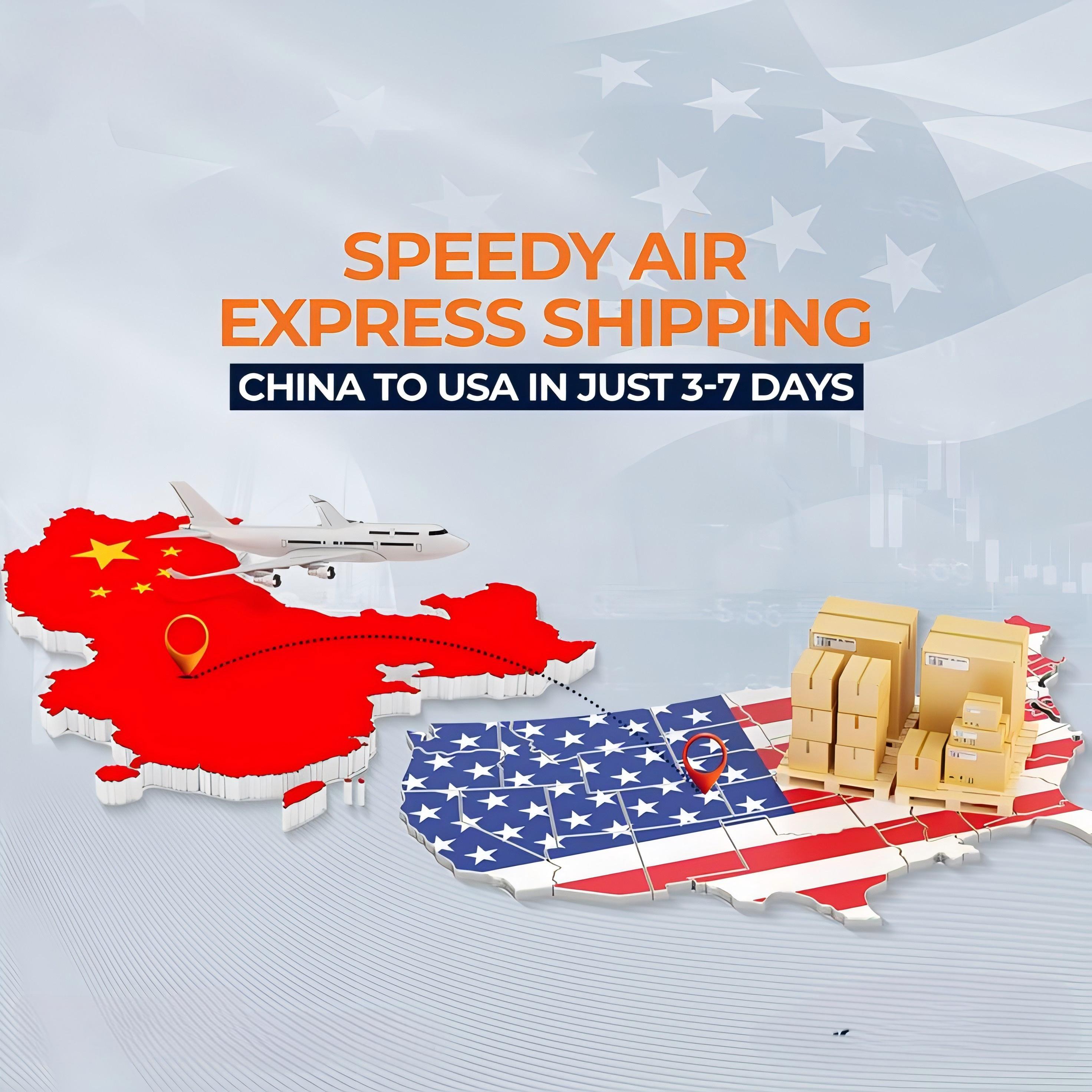
When traditional reefer FCL is scarce, exploring other modes becomes crucial. While less common for large electronics volumes, temperature-controlled air freight can be a viable, albeit more expensive, option for urgent or high-value shipments. This method drastically reduces transit time.
For smaller, less time-critical electronics shipments, a temperature-controlled LCL (Less than Container Load) service might be an option. This involves consolidating your cargo with others in a shared reefer container. However, coordination and careful packaging are essential to ensure safety.
Hybrid solutions, such as sea-air combinations, offer a middle ground. Your electronics might travel by sea to a hub like Dubai, then switch to air freight for the final leg to the Netherlands. This balances cost and speed, providing a flexible alternative strategy.
For extremely time-sensitive, smaller electronics shipments, an express service offers unparalleled speed. While costly, it can be the ultimate solution for critical components or samples, directly addressing urgent needs.
Leveraging Customs Brokerage Expertise
Efficient customs clearance is vital, especially for electronics. Delays at customs can negate any speed advantages gained through careful planning. A knowledgeable customs brokerage partner can streamline this process.
They ensure all documentation is correct, tariffs are properly calculated, and compliance with EU regulations is met. This expertise helps avoid unexpected hold-ups and additional costs, crucial for maintaining your delivery schedule and overall supply chain efficiency.
How Does Reefer FCL Shipping Compare to Other Options?
Choosing the right shipping method for electronics from China to the Netherlands involves balancing cost, speed, and cargo sensitivity. The reefer FCL container shortage has highlighted the need for a comprehensive understanding of all available alternatives. Each option presents distinct advantages and limitations.
For instance, while standard sea freight is cost-effective, it lacks temperature control, making it unsuitable for most electronics. Air freight offers speed but comes with a significantly higher price tag. Therefore, careful consideration of your specific product needs and budget is essential.
| Shipping Method | Cost Range (40HQ/1000kg) | Transit Time (China-NL) | Best For | Limitations |
|---|---|---|---|---|
| Reefer FCL (Sea) | $3,500-5,500 | 28-35 days | Large volume temperature-sensitive electronics | High demand, potential shortage |
| Standard FCL (Sea) | $2,800-4,200 | 28-35 days | Non-sensitive bulk items (not electronics) | No temperature control, risk of damage |
| Reefer LCL (Sea) | $80-150/CBM | 30-40 days | Smaller temperature-sensitive electronics | Requires consolidation, potential for delays |
| Air Freight (Temp-Controlled) | $5,000-15,000 | 3-7 days | Urgent, high-value, small volume electronics | Very high cost, capacity limits |
| Sea-Air Hybrid | $4,000-8,000 | 15-20 days | Time-sensitive, medium-value electronics | Multiple transshipments, complex coordination |
Decision Framework: Which Option Should You Choose?
Your shipping choice depends heavily on your priorities. If budget is your primary concern and you have a large volume of non-urgent, yet temperature-tolerant electronics, a standard FCL with robust internal packaging might be considered, though it carries risks. However, for most electronics, reefer FCL is preferred.
Conversely, if speed is paramount for urgent product launches or critical component replacements, temperature-controlled air freight is the clear choice, despite its higher cost. For a balance of cost and speed, particularly during a reefer FCL container shortage for electronics from China to Netherlands, a sea-air hybrid solution offers significant advantages.
Cargo type also dictates the method. Highly sensitive medical electronics or advanced semiconductors absolutely require precise temperature and humidity control, making reefer solutions mandatory. Volume thresholds also play a role; for shipments under 15 CBM, LCL reefer might be more economical than a full container, even if available.
Optimizing Your Supply Chain for Electronics Imports
Enhancing supply chain resilience is paramount for businesses importing electronics from China to the Netherlands. This involves more than just selecting a shipping method; it requires a holistic approach to planning and partnerships. Proactive measures can significantly mitigate risks.
By focusing on strategic inventory management and reliable logistics providers, companies can build a robust system. This ensures continuity even when faced with challenges like the reefer FCL container shortage for electronics from China to Netherlands.
Advanced Inventory Management and Forecasting
Effective inventory management is critical to buffer against shipping disruptions. Implementing robust forecasting models helps anticipate demand and plan shipments well in advance, reducing reliance on last-minute, expensive solutions. This proactive approach minimizes the impact of potential delays.
Furthermore, maintaining safety stock levels for critical components can prevent production stoppages due to reefer FCL container shortage for electronics from China to Netherlands. While this adds to warehousing costs, it provides a vital safeguard against supply chain volatility.
Partnerships with Reliable Freight Forwarders
Collaborating with an experienced and reputable freight forwarder is indispensable. A strong partner offers not only logistical services but also market intelligence and strategic advice. They can navigate complex routes and find alternative solutions during shortages.
For example, door-to-door services simplify the entire process, from factory pickup in China to final delivery in the Netherlands. This comprehensive approach minimizes your operational burden and ensures seamless transitions across different logistics stages.
Moreover, a good freight forwarder will have established relationships with multiple carriers, increasing their ability to secure space even during peak seasons or shortages. They can also provide real-time tracking and transparent communication about your cargo’s status, offering peace of mind.
Real-World Success: Case Studies in Electronics Logistics
Practical examples demonstrate how businesses successfully navigated the challenges of shipping sensitive electronics. These case studies highlight the effectiveness of strategic planning and adaptable solutions. They offer valuable insights into overcoming logistical hurdles.
Each scenario illustrates different approaches taken to ensure timely and safe delivery, even amidst a reefer FCL container shortage for electronics from China to Netherlands. These real-world applications underscore the importance of expert logistics support.
Case Study 1: High-Value Medical Devices
This example demonstrates how strategic planning overcame a reefer FCL container shortage for electronics from China to Netherlands. A client needed to ship critical medical diagnostic equipment, highly sensitive to temperature. The usual FCL reefer slot was unavailable due to peak season demand.
By opting for a specialized LCL reefer service, the client maintained temperature control without the need for a full container. This flexibility proved crucial for meeting their strict delivery timeline and preserving the integrity of their high-value cargo.
| Detail | Description |
|---|---|
| Route | Shenzhen, China -> Rotterdam, Netherlands |
| Cargo | Medical Diagnostic Machines, 25 CBM, 4,500 kg |
| Container | Reefer LCL (consolidated) |
| Shipping Details | Carrier/Service: Major carrier with specialized LCL reefer service; Port of Loading: Shenzhen; Port of Discharge: Rotterdam; Route Type: Direct |
| Cost Breakdown | Ocean Freight: $4,500; Origin Charges: $350; Destination Charges: $400; Customs & Duties (estimated): $1,200; Total Landed Cost: $6,450 |
| Timeline | Booking to Loading: 10 days; Sea Transit: 32 days; Customs Clearance: 3 days; Total Door-to-Door: 45 days |
| Key Insight | Choosing a specialized Reefer LCL service during an FCL shortage provided a cost-effective solution, albeit with slightly longer transit. Careful consolidation ensured cargo integrity. |
Case Study 2: Consumer Electronics Components
A large manufacturer faced delays in securing a reefer FCL for essential consumer electronics components. These components required strict humidity control to prevent static discharge and corrosion. An urgent delivery was necessary to maintain production schedules in the Netherlands.
Opting for high-speed, temperature-controlled air freight resolved an urgent supply chain gap. This decision prioritized speed over cost, preventing significant production line downtime. It was a critical solution for the reefer FCL container shortage for electronics from China to Netherlands.
| Detail | Description |
|---|---|
| Route | Shanghai, China -> Amsterdam, Netherlands |
| Cargo | Circuit Boards & Processors, 10 CBM, 2,000 kg |
| Container | Temperature-controlled Air Freight |
| Shipping Details | Carrier/Service: Premium Air Cargo Service; Port of Loading: Shanghai Pudong International Airport (PVG); Port of Discharge: Amsterdam Schiphol Airport (AMS); Route Type: Direct Air Cargo |
| Cost Breakdown | Air Freight: $12,000; Origin Charges: $250; Destination Charges: $300; Customs & Duties (estimated): $800; Total Landed Cost: $13,350 |
| Timeline | Booking to Loading: 2 days; Air Transit: 1 day; Customs Clearance: 2 days; Total Door-to-Door: 5 days |
| Key Insight | Opting for high-speed, temperature-controlled air freight resolved an urgent supply chain gap, prioritizing speed over cost to prevent significant production line downtime. This was a critical solution for the reefer FCL container shortage for electronics from China to Netherlands. |
Navigating Customs and Regulations for Electronics in the Netherlands
Efficient customs clearance is a crucial step in the logistics chain for electronics imported into the Netherlands. Understanding the specific requirements and regulations can prevent costly delays and penalties. Proper preparation is key to a smooth process.
Importers must be aware of both general EU import rules and specific Dutch customs procedures. Compliance ensures your sensitive cargo moves swiftly through port, reaching its final destination without unnecessary hold-ups.
Essential Documentation Checklist
Proper documentation is non-negotiable for smooth customs clearance of electronics in the Netherlands. Importers must provide a commercial invoice, packing list, bill of lading (or air waybill), and certificate of origin. Furthermore, specific electronics may require additional certifications.
For example, CE marking is mandatory for many electronics sold within the EU, indicating compliance with health, safety, and environmental protection standards. RoHS (Restriction of Hazardous Substances) compliance is also critical. Therefore, ensure all required certificates are readily available to avoid delays.
Duties and Taxes Considerations
Import duties and Value Added Tax (VAT) are significant cost components for electronics entering the Netherlands from China. These vary based on the Harmonized System (HS) code of the product. Understanding these costs beforehand is vital for accurate budgeting.
The standard VAT rate in the Netherlands is 21%, applied to the customs value plus duties. Moreover, certain electronics might qualify for reduced duties under specific trade agreements. Consulting with a customs brokerage expert can help optimize these costs and ensure compliance.
Future Outlook: Preparing for Evolving Logistics Trends
The logistics landscape is constantly evolving, with new technologies and geopolitical factors shaping freight rates and capacity. Staying informed about global sea freight trends and potential disruptions is crucial for long-term supply chain resilience. Proactive adaptation is essential for continued success.
Digitization, for instance, offers improved visibility and tracking capabilities, which are invaluable for managing sensitive electronics shipments. Investing in robust logistics software can provide real-time data, enabling quicker decision-making during unforeseen challenges.
Furthermore, exploring diverse sourcing strategies beyond a single region can reduce reliance on specific routes and container types. This approach helps mitigate risks associated with future reefer FCL container shortage for electronics from China to Netherlands. Building a flexible and agile supply chain is paramount for sustained success.
Mastering Electronics Logistics Amidst Reefer FCL Shortages
Navigating the current reefer FCL container shortage for electronics from China to the Netherlands requires strategic foresight and adaptable logistics partners. By understanding market dynamics, exploring diverse shipping options, and leveraging expert support, businesses can maintain supply chain integrity. Proactive planning and robust partnerships are crucial for success.
Ultimately, ensuring the safe and timely delivery of your sensitive electronics cargo is paramount. Implementing the right strategies will mitigate risks and sustain your competitive edge. Trusting experienced logistics providers is key to overcoming these persistent challenges.
Get Your Shipping Quote Today
Ready to navigate the complexities of reefer FCL container shortage for electronics? Contact us today for a personalized quote and expert advice on optimizing your supply chain from China to the Netherlands. Our team is prepared to assist with your unique shipping requirements.
Request Quote