

Best FCL Shipping From China to Spain: Your Ultimate Guide
Shipping full container loads (FCL) from China to Spain requires strategic planning and a reliable logistics partner. This comprehensive guide will help you navigate the complexities of international freight. We aim to equip you with the knowledge needed to make informed decisions for your supply chain. For expert solutions, visit China Top Freight.
What is FCL Shipping and Why Choose It?
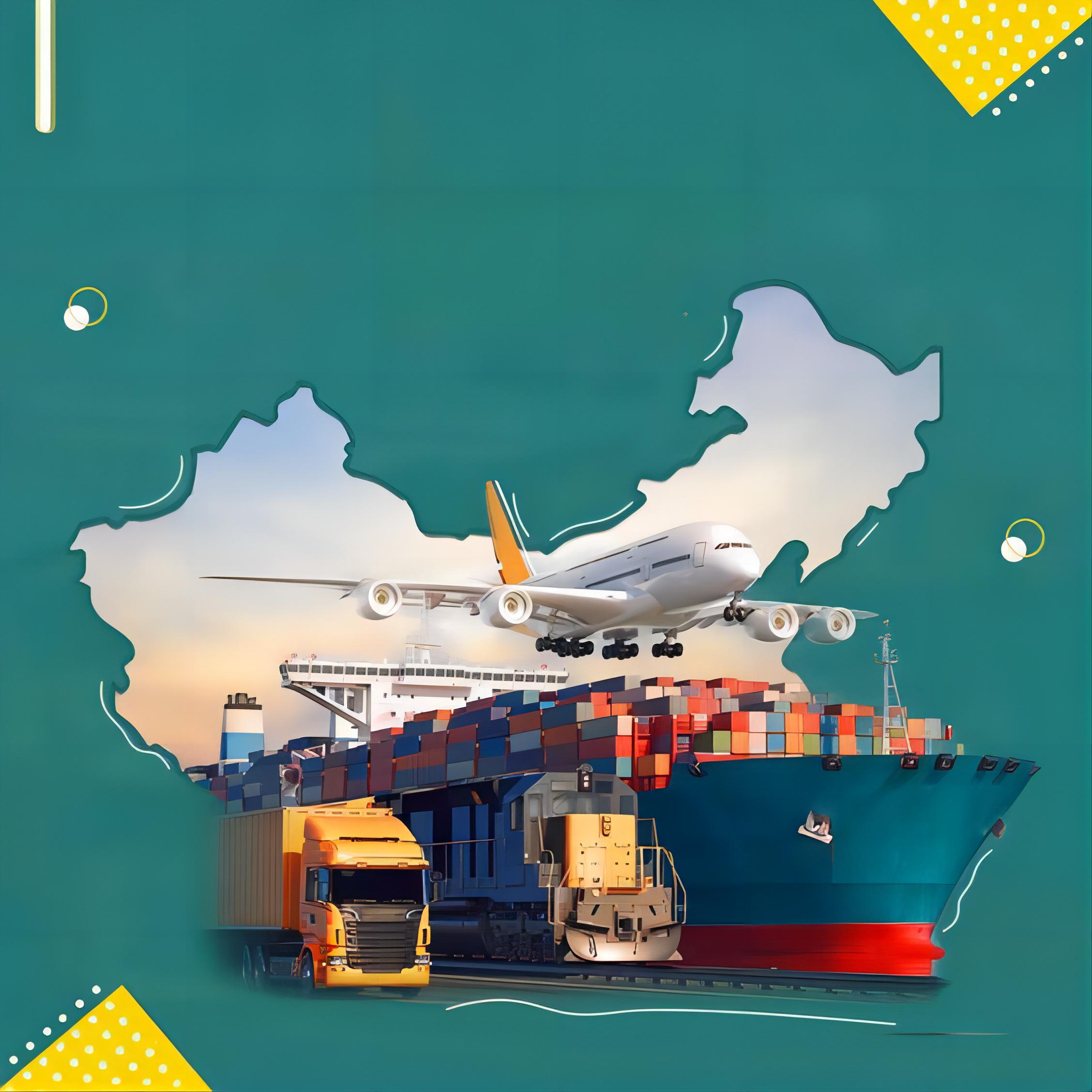
Full Container Load (FCL) shipping involves reserving an entire shipping container for your cargo alone. This method is ideal for businesses with sufficient volume to fill a 20-foot or 40-foot container. Your goods remain sealed from origin to destination, minimizing handling.
Choosing FCL offers significant advantages, especially for larger shipments. It provides enhanced security as your cargo is not consolidated with other shippers’ goods. Moreover, it often results in faster transit times compared to Less than Container Load (LCL) options.
Consequently, FCL shipping is frequently the most cost-effective solution per cubic meter for substantial cargo volumes. It reduces the risk of damage or loss by limiting the number of times your freight is handled. Therefore, it is a preferred choice for many international importers.
Key Factors Influencing FCL Shipping Costs from China to Spain
Understanding the various components of FCL shipping costs is crucial for accurate budgeting. Ocean freight rates form the largest part, fluctuating based on fuel prices, vessel capacity, and global demand. Seasonal peaks, such as before Chinese New Year or during peak holiday seasons, can also significantly impact rates.
Additionally, several surcharges contribute to the overall cost. These include Bunker Adjustment Factor (BAF) for fuel, Currency Adjustment Factor (CAF), and Terminal Handling Charges (THC) at both origin and destination ports. Furthermore, local transportation costs for drayage to and from the ports are also included.
Finally, customs duties, taxes, and insurance premiums must be factored into your total landed cost. These costs vary depending on the type of goods and their declared value. Always obtain a detailed quote to avoid unexpected expenses in your full container load logistics.
| Cost Component | Description | Typical Range (USD) |
|---|---|---|
| Ocean Freight | Base cost for container transport by sea. | $1,800 – $4,200 (20GP/40HQ) |
| Bunker Adjustment Factor (BAF) | Fuel surcharge. | $100 – $400 |
| Terminal Handling Charges (THC) | Port charges at origin and destination. | $150 – $350 (per port) |
| Customs Clearance | Brokerage fees for documentation. | $100 – $300 |
| Drayage/Haulage | Transport from port to final destination in Spain. | $300 – $800 (depending on distance) |
| Customs Duties & Taxes | Import duties and VAT (based on cargo value). | Variable (e.g., 5-21% of CIF value) |

Understanding FCL Transit Times from China to Spain
The transit time for FCL shipping from China to Spain typically ranges from 28 to 35 days for direct routes. However, several factors can influence this delivery schedule. These include the specific port of loading in China and the port of discharge in Spain.
Moreover, vessel speed, weather conditions, and potential port congestion can cause delays. Transshipment routes, which involve transferring cargo to another vessel at an intermediate port, might add 5-10 days to the total journey. Therefore, planning ahead is essential.
Major Chinese ports like Shanghai, Ningbo, and Shenzhen offer frequent sailings. In Spain, Valencia, Barcelona, and Algeciras are primary entry points. Always confirm the estimated time of arrival (ETA) with your freight forwarder for precise planning of your supply chain.
Navigating Customs and Documentation for Spain Imports
Effective customs clearance is a critical step for any FCL shipment entering Spain from China. Proper documentation prevents delays and ensures compliance with EU regulations. Importers must prepare a comprehensive set of documents accurately and on time.
Essential paperwork includes the commercial invoice, packing list, bill of lading, and certificate of origin. Furthermore, specific goods may require additional licenses, permits, or certificates, such as CE marking or phytosanitary certificates. A professional customs brokerage service is invaluable here.
Working with an experienced customs broker streamlines the entire process. They ensure all declarations are correct, duties and taxes are paid, and your cargo clears customs efficiently. This minimizes the risk of costly delays or penalties for your import/export operations.
Choosing the Right Container Type for Your Cargo
Selecting the appropriate container type is fundamental for efficient FCL shipping. The most common options are 20-foot General Purpose (20GP), 40-foot General Purpose (40GP), and 40-foot High Cube (40HQ) containers. Each offers different dimensions and capacities.
A 20GP container is suitable for heavier cargo that doesn’t occupy much space, offering approximately 33 CBM capacity. Conversely, a 40GP provides double the volume at around 67 CBM, perfect for lighter, bulkier goods. The 40HQ, with 76 CBM, offers extra height for oversized items.
For specialized cargo, options like open-top, flat rack, or reefer containers are available. Always consider your cargo’s dimensions, weight, and specific handling requirements when making your selection. This ensures optimal space utilization and cargo safety.
| Container Type | Internal Dimensions (L x W x H) | Capacity (CBM) | Max Weight (KG) |
|---|---|---|---|
| 20-foot GP | 5.90m x 2.35m x 2.39m | 33 CBM | 28,000 kg |
| 40-foot GP | 12.03m x 2.35m x 2.39m | 67 CBM | 26,000 kg |
| 40-foot HQ | 12.03m x 2.35m x 2.69m | 76 CBM | 26,000 kg |
How Does FCL Shipping Compare to Other Shipping Options?
When planning your logistics from China to Spain, FCL shipping is one of several viable methods. Understanding its advantages and disadvantages against alternatives is crucial. This comparison helps you select the most suitable option for your specific business needs and cargo characteristics.
| Shipping Method | Cost Range (per CBM) | Transit Time (China-Spain) | Best For | Limitations |
|---|---|---|---|---|
| FCL Sea Freight | $50 – $80 | 28-35 days | Large volumes, non-urgent, heavy goods | Slow transit time, port congestion risk |
| LCL Sea Freight | $80 – $150 | 35-45 days | Small volumes (<15 CBM), flexible budget | More handling, longer transit, potential delays |
| Rail Freight | $120 – $250 | 18-25 days | Medium urgency, balanced cost/speed | Limited capacity, specific routes only |
| Air Freight | $300 – $600+ | 5-7 days | Urgent, high-value, perishable goods | Very high cost, volume/weight restrictions |

FCL vs. LCL: Which is Best for Your Business?
Less than Container Load (LCL) shipping consolidates multiple shippers’ goods into one container. This method is cost-effective for smaller volumes, typically under 15-20 CBM. However, LCL often involves more handling and longer transit times due to consolidation and deconsolidation processes.
In contrast, FCL offers direct transit, reducing handling and transit risks significantly. For shipments exceeding 15 CBM, FCL usually becomes more economical per unit volume. Therefore, FCL is generally preferred for larger, time-sensitive, or high-value cargo where security is paramount.
Sea Freight vs. Air Freight for China-Spain Routes
Sea freight, including FCL, is the most economical option for heavy and bulky goods, but it is also the slowest. Transit times are typically 28-35 days for FCL from China to Spain. This makes it suitable for non-urgent inventory and commodities.
Conversely, air freight offers unparalleled speed, delivering cargo in 5-7 days. However, air freight costs are substantially higher, often 5-10 times more than sea freight for the same volume. It is best reserved for urgent, high-value, or perishable goods where speed outweighs cost considerations.
Rail Freight: A Viable Alternative?
Rail freight from China to Spain has emerged as a compelling middle-ground option. It combines the cost-effectiveness of sea freight with significantly faster transit times, typically 18-25 days. The ‘New Silk Road’ rail links offer a reliable and increasingly popular alternative.
While rail freight is faster than sea, it is still generally more expensive than FCL sea freight. It is particularly well-suited for goods that require faster delivery than sea but are not urgent enough for air freight. Consider rail freight for a balanced approach to speed and cost.
Which Option Should You Choose? A Decision Framework
Selecting the optimal shipping method depends on your priorities and cargo characteristics. A structured approach helps in making the most informed decision. Consider your budget, urgency, and the nature of your goods.
If budget is your top priority and you have large volumes (over 15-20 CBM), FCL sea freight is almost always the most economical choice. It offers the lowest cost per unit. However, be prepared for longer transit times.
When speed is paramount for your business, especially for high-value or time-sensitive products, air freight becomes the clear winner. While significantly more expensive, it ensures rapid delivery. For a balance of speed and cost, rail freight offers a compelling alternative.
Finally, cargo type considerations also play a role. Fragile or high-value goods benefit from FCL’s reduced handling and dedicated container space. Perishables, on the other hand, demand the speed of air freight or specialized reefer containers via sea.
Optimizing Your FCL Supply Chain: Tips and Strategies
Achieving the best FCL shipping from China to Spain involves more than just booking a container. Strategic planning and efficient execution are vital for a streamlined supply chain. Implementing best practices can significantly enhance your logistics performance.
Firstly, plan your shipments well in advance, especially during peak seasons. Early booking can secure better rates and ensure container availability. Consolidating orders to fill containers completely maximizes cost-efficiency and reduces empty space.
Furthermore, engage a reliable freight forwarder with extensive experience on the China-Europe route. Their expertise in managing documentation, customs, and potential disruptions is invaluable. They can also offer tailored sea freight solutions.
Leveraging technology for tracking and communication also improves visibility. Stay informed about logistics trends and potential delays to proactively manage your inventory. This proactive approach ensures smoother operations and fewer surprises.
Real-World FCL Shipping Scenarios to Spain
These case studies illustrate how different factors influence FCL shipping outcomes from China to Spain. They provide practical insights into costs, transit times, and strategic considerations. These examples reflect typical market conditions as of early 2025.
Case Study 1: Furniture Import for Retailer
This scenario highlights a common FCL import of furniture, emphasizing the balance between cost and a reasonable delivery schedule. The direct route minimized handling and potential delays, crucial for delicate goods. The total landed cost includes all essential charges for a complete door-to-door service.
| Detail | Value |
|---|---|
| Route | Shanghai, China -> Valencia, Spain |
| Cargo | Flat-pack furniture, 60 CBM, 12,000 kg |
| Container | 40GP |
| Shipping Details | Carrier: COSCO, Port of Loading: Shanghai, Port of Discharge: Valencia, Route Type: Direct |
| Cost Breakdown | Ocean Freight: $3,200, Origin Charges: $280, Destination Charges: $450, Customs & Duties (estimated): $1,500, Total Landed Cost: $5,430 |
| Timeline | Booking to Loading: 5 days, Sea Transit: 30 days, Customs Clearance: 3 days, Total Door-to-Door: 38 days |
| Key Insight | Opting for a direct service with a major carrier ensured predictable transit and minimal risk for bulky, sensitive cargo. Typical rates as of early 2025. |
Case Study 2: Electronics Components for Manufacturer
This case study demonstrates FCL shipping for higher-value electronics components, where security and efficient customs processing are paramount. The chosen route and forwarder expertise helped mitigate risks. Market data suggests these rates are competitive for such cargo types.
| Detail | Value |
|---|---|
| Route | Ningbo, China -> Barcelona, Spain |
| Cargo | Electronics components, 28 CBM, 15,000 kg |
| Container | 20GP |
| Shipping Details | Carrier: Maersk, Port of Loading: Ningbo, Port of Discharge: Barcelona, Route Type: Direct |
| Cost Breakdown | Ocean Freight: $2,100, Origin Charges: $250, Destination Charges: $380, Customs & Duties (estimated): $1,800, Total Landed Cost: $4,530 |
| Timeline | Booking to Loading: 4 days, Sea Transit: 32 days, Customs Clearance: 2 days, Total Door-to-Door: 38 days |
| Key Insight | Prioritizing a reliable carrier and efficient customs brokerage minimized transit time and ensured secure delivery of valuable goods. Based on Q4 2024 market rates. |
Case Study 3: Textiles for Fashion Distributor
This example illustrates a scenario where a 40HQ container was utilized to maximize volume for lighter textile products. The slightly longer transit via transshipment was acceptable due to cost savings. According to industry benchmarks, this strategy is common for textiles.
| Detail | Value |
|---|---|
| Route | Shenzhen, China -> Algeciras, Spain |
| Cargo | Textile products, 70 CBM, 8,000 kg |
| Container | 40HQ |
| Shipping Details | Carrier: MSC, Port of Loading: Shenzhen, Port of Discharge: Algeciras, Route Type: Transshipment via Singapore |
| Cost Breakdown | Ocean Freight: $3,800, Origin Charges: $300, Destination Charges: $400, Customs & Duties (estimated): $1,000, Total Landed Cost: $5,500 |
| Timeline | Booking to Loading: 6 days, Sea Transit: 35 days, Customs Clearance: 4 days, Total Door-to-Door: 45 days |
| Key Insight | Utilizing a 40HQ container for high-volume, low-density cargo optimized freight costs, accepting a slightly longer transit for budget efficiency. Market data suggests this is a typical option. |
Partnering with a Reliable Freight Forwarder for China-Spain FCL
Choosing the right freight forwarder is perhaps the most critical decision for successful FCL shipping from China to Spain. A seasoned partner simplifies complex logistics, ensuring smooth operations from origin to destination. Their expertise in international shipping is invaluable.
Indeed, a reputable forwarder offers comprehensive services, including booking, documentation, customs clearance, and inland transportation. They possess a robust network of carriers and agents, allowing them to secure competitive freight rates and reliable services. This helps in optimizing your overall shipping costs.
Furthermore, a good freight forwarder provides transparent communication and proactive problem-solving. They keep you informed of your shipment’s status and address any unforeseen challenges promptly. This partnership transforms potential logistical hurdles into seamless processes, enhancing your supply chain’s efficiency.
Conclusion
Securing the best FCL shipping from China to Spain requires careful consideration of costs, transit times, and regulatory compliance. By understanding these critical factors and partnering with an experienced freight forwarder, you can optimize your supply chain. This ensures your goods arrive efficiently and cost-effectively.
Navigating the complexities of full container load logistics becomes manageable with the right strategy and support. Ultimately, an informed approach leads to successful international trade. Always seek current market rates and expert advice for your specific shipping requirements.
Ready to streamline your logistics?
Ready to streamline your FCL shipping from China to Spain? Contact our experts today for a personalized quote and discover how our tailored logistics solutions can benefit your business. We are committed to providing reliable and efficient services for your international shipping needs.
Request Quote