

20GP FCL Detention Prevention for Solar Panels to Illinois
Shipments of solar panels from China to Illinois present unique logistical challenges. Preventing 20GP FCL detention is paramount for maintaining profitability and project timelines. This comprehensive guide, brought to you by China Top Freight, offers strategies to navigate these complexities. We aim to equip importers with the knowledge needed to ensure smooth, cost-effective delivery.
What is 20GP FCL Detention, and Why Does it Matter?
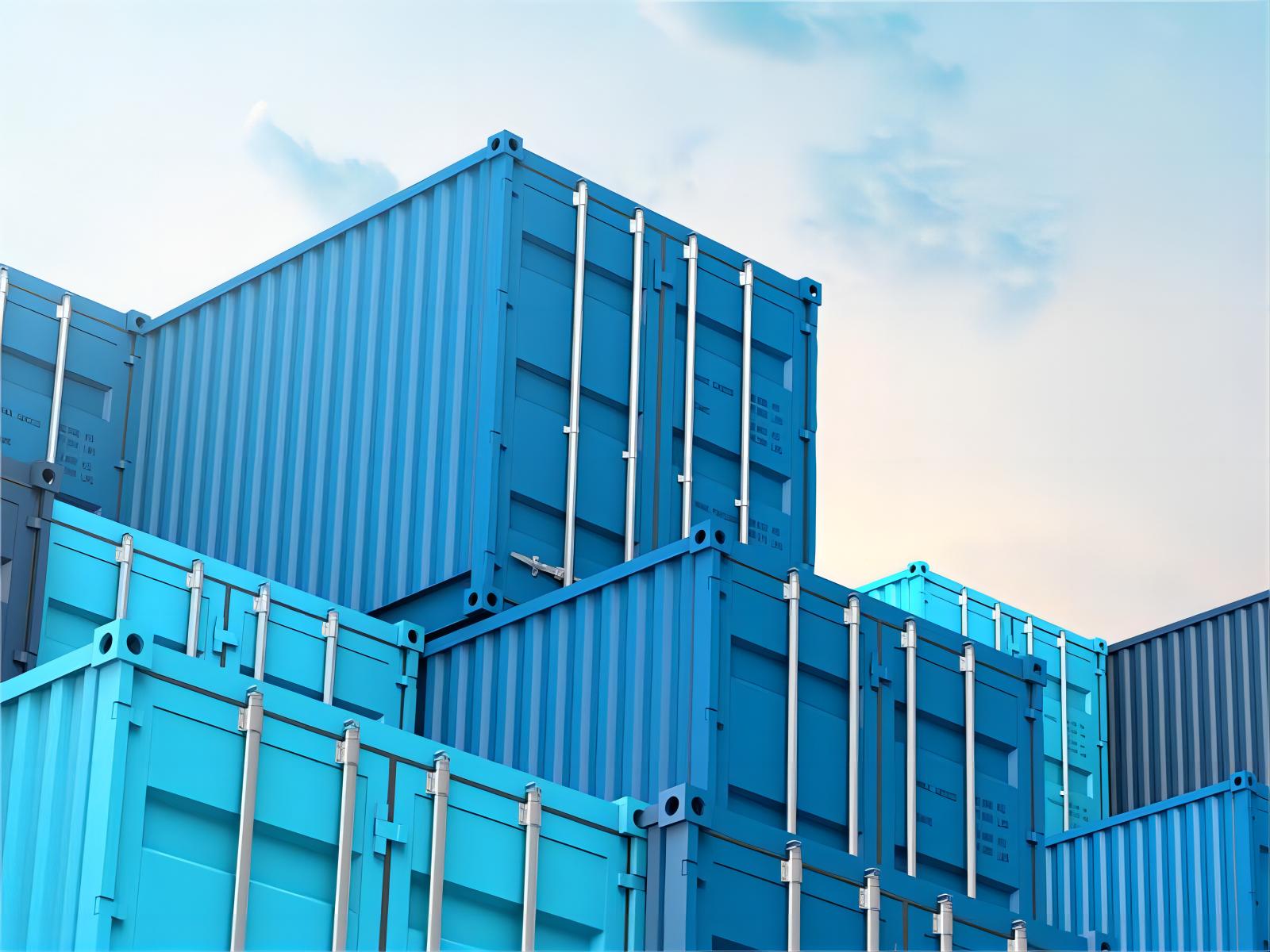
Detention occurs when an importer retains a full container (FCL) beyond the free time period allowed by the shipping line. This typically applies to the time spent at the destination port or inland depot before the container is returned empty. For a 20GP container, these charges can quickly accumulate, significantly increasing overall shipping costs for solar panels.

Moreover, demurrage is often confused with detention; demurrage applies to charges incurred for using the terminal space at the port beyond the free time. Both penalties arise from delays in cargo handling and container return, highlighting the importance of efficient logistics planning. Understanding these distinctions is crucial for effective 20GP FCL detention prevention.
Why is 20GP FCL Detention Particularly Costly for Solar Panels to Illinois?
Solar panels, being high-value and often time-sensitive components for construction projects, face amplified detention risks. Project delays due to late panel delivery can trigger significant financial penalties, making timely logistics critical. Furthermore, the sheer volume and specialized handling requirements of solar panels mean that any delay in unloading or clearing customs can quickly lead to expensive charges.
Additionally, Illinois is an inland state, necessitating further rail or truck transport from a coastal port. This extended supply chain inherently introduces more points of potential delay, from port congestion to rail yard backlogs or trucking shortages. Each stage adds complexity, increasing the likelihood of exceeding free time and incurring 20GP FCL detention for solar panels. Therefore, meticulous planning is essential.
What Key Factors Contribute to 20GP FCL Detention Risks?
Several critical elements can lead to costly detention charges. Firstly, incomplete or inaccurate documentation is a primary culprit, causing delays at customs. Missing permits, incorrect tariff classifications, or errors in the bill of lading can halt shipments indefinitely. Such issues directly impact the ability to clear goods and return containers promptly, thereby increasing the risk of 20GP FCL detention.
Secondly, port congestion and unforeseen delays at the destination port are significant factors. High volumes of cargo, labor shortages, or equipment breakdowns can slow down unloading processes. Consequently, containers may sit at the terminal longer than anticipated, eating into free time. Lastly, inefficient inland transportation arrangements, including truck availability or rail schedule disruptions, often exacerbate detention issues.
Furthermore, unexpected customs inspections or regulatory changes can also contribute to unforeseen delays. Staying updated on import regulations for solar panels is vital. Proactive communication with all supply chain partners helps mitigate these external risks, ensuring smoother transit.
Proactive Strategies for 20GP FCL Detention Prevention
Implementing robust strategies is essential to mitigate the financial impact of detention. A comprehensive approach involves meticulous planning across the entire supply chain. By focusing on these preventative measures, importers can significantly reduce their exposure to unexpected costs when shipping solar panels.
This proactive stance ensures smoother operations and better financial outcomes. It encompasses everything from initial documentation to final delivery, ensuring every step is optimized for efficiency. Ultimately, vigilance and preparation are your best defenses against costly delays.
Pre-shipment Planning and Documentation Accuracy
Thorough preparation begins long before the container leaves China. Ensure all necessary import permits, licenses, and certificates for solar panels are secured in advance. Moreover, meticulously verify all documentation, including commercial invoices, packing lists, and bills of lading, for accuracy and completeness. Errors here are a leading cause of customs delays, directly impacting 20GP FCL detention prevention.
Working with experienced suppliers who understand export documentation requirements is also beneficial. They can help prepare documents correctly the first time, minimizing potential rejections or requests for additional information. This due diligence ensures a smoother customs clearance process upon arrival in the US.
Strategic Carrier and Port Selection
Choosing the right shipping carrier and destination port plays a pivotal role in avoiding detention. Research carriers known for their reliability and good track record on the China to USA East Coast route. Furthermore, select ports that have lower congestion levels and efficient cargo handling capabilities. This decision can significantly influence transit times and free time allowances.
Consider negotiating extended free time with carriers, especially for large or complex shipments like solar panels. Some carriers offer longer periods, which can provide a crucial buffer against unforeseen delays. This small negotiation can save substantial amounts in potential 20GP FCL detention charges.
Streamlined Customs Clearance Efficiency
Efficient customs clearance is arguably the most critical step in preventing detention. Engage a proficient customs brokerage service with expertise in solar panel imports to the US. They can pre-clear shipments, handle all necessary declarations, and address any customs queries promptly. This proactive management drastically reduces clearance times.
Additionally, consider participating in programs like the Customs-Trade Partnership Against Terrorism (C-TPAT) if applicable. Such programs can expedite customs processing for certified importers. A smooth and rapid customs process is a cornerstone of effective 20GP FCL detention prevention for solar panels.
Optimized Inland Transportation Coordination
The journey from the US port to Illinois requires seamless coordination. Arrange for inland transportation, whether by rail or truck, well in advance of the vessel’s arrival. Confirm truck availability and scheduling with reliable carriers to avoid delays in picking up the container from the port. Timely pickup is crucial to avoid incurring both detention and demurrage charges.
Furthermore, utilize door-to-door solutions from your freight forwarder. This service streamlines the entire process, as the forwarder manages all legs of the journey, including customs and inland transport. This integrated approach reduces the burden on the importer and minimizes potential coordination gaps, thereby supporting 20GP FCL detention prevention.
How Does Sea Freight Compare to Other Shipping Options for Solar Panels to Illinois?
While sea freight is the most common and cost-effective method for large volumes of solar panels, understanding its alternatives is crucial. Each shipping method offers distinct advantages and disadvantages, particularly regarding cost, speed, and capacity. Comparing these options helps in making informed decisions for your specific logistical needs.
Therefore, a detailed look at air freight and rail options provides a broader perspective. The choice often depends on the urgency of the shipment, budget constraints, and the overall volume of goods. For instance, urgent, smaller consignments might justify higher costs for faster delivery, despite their higher rates.
| Shipping Method | Cost Range (40HQ China-USA East) | Transit Time (China-Illinois) | Best For | Limitations |
|---|---|---|---|---|
| Sea Freight (FCL) | $4,500-6,000 | 30-45 days (port-to-door) | Large volumes, cost-efficiency | Slowest, port congestion risk |
| Sea Freight (LCL) | $80-120/CBM | 35-50 days (port-to-door) | Smaller volumes (under 15 CBM) | Slower, more handling, higher damage risk |
| Air Freight | $5-8/kg (approx.) | 5-10 days (airport-to-door) | Urgent, high-value, small shipments | Very expensive, limited capacity for large panels |
| Rail/Truck (Inland USA) | Included in total cost | 5-7 days (port-to-door) | Final leg of sea freight | Subject to truck/rail availability |
Alternative Strategies and Hybrid Solutions
For time-critical components, a hybrid approach might be considered. For example, essential parts of a solar panel installation could be sent via air freight to kickstart a project, while the bulk of the panels follow by sea. This strategy balances speed for critical items with cost-effectiveness for the main cargo.
Another alternative involves optimizing container utilization. For shipments that don’t quite fill a 20GP, consider consolidating with other cargo (LCL) if time permits and the cargo is suitable. Conversely, if you have slightly more than a 20GP, assessing the cost of a 40GP versus multiple 20GP containers can yield savings and aid 20GP FCL detention prevention.
Real-World Case Studies: Successful 20GP FCL Detention Prevention
Examining practical examples illustrates how effective planning can circumvent costly delays. These scenarios highlight the importance of detailed coordination and proactive problem-solving. Each case study provides insights into different aspects of the shipping process from China to Illinois.
Note: Freight rates are subject to change based on fuel costs, carrier capacity, and seasonal demand. Contact us for a current quote tailored to your specific shipment. These cases are based on Q3 2024 market rates and typical scenarios.
Case Study 1: Large Solar Farm Project in Central Illinois
This case involved a substantial shipment of solar panels for a new farm installation. Detailed planning and robust communication were key to its success. The importer prioritized extended free time with the carrier, which proved invaluable during an unexpected rail delay. This foresight directly contributed to 20GP FCL detention prevention.
| Route | Cargo | Container | Shipping Details | Cost Breakdown | Timeline | Key Insight |
|---|---|---|---|---|---|---|
| Shanghai, China -> Springfield, Illinois | 2000 solar panels, 28 CBM, 20,000 kg | One 20GP FCL | Carrier: COSCO, Port of Loading: Shanghai, Port of Discharge: Savannah, GA, Route Type: Transshipment via Busan | Ocean Freight: $3,800, Origin Charges: $450, Destination Charges: $600, Customs & Duties (est): $1,200, Total Landed Cost: $6,050 | Booking to Loading: 7 days, Sea Transit: 32 days, Customs Clearance: 3 days, Total Door-to-Door: 45 days | Negotiated 10 extra free days at destination, avoiding $800 in potential detention during rail delay. This proactive step was crucial for 20GP FCL detention prevention. |
Case Study 2: Residential Solar Installation Company in Chicago
A smaller, but regular importer faced challenges with consistent delivery schedules for solar panels. By switching to a dedicated freight forwarder offering comprehensive services, they significantly improved their logistics. This approach minimized their exposure to unexpected port charges and ensured timely project completion.
| Route | Cargo | Container | Shipping Details | Cost Breakdown | Timeline | Key Insight |
|---|---|---|---|---|---|---|
| Shenzhen, China -> Chicago, Illinois | 800 solar panels, 12 CBM, 9,000 kg | One 20GP FCL | Carrier: MSC, Port of Loading: Shenzhen, Port of Discharge: New York/New Jersey, Route Type: Direct | Ocean Freight: $4,200, Origin Charges: $500, Destination Charges: $650, Customs & Duties (est): $800, Total Landed Cost: $6,150 | Booking to Loading: 5 days, Sea Transit: 30 days, Customs Clearance: 2 days, Total Door-to-Door: 40 days | Leveraged a freight forwarder’s door-to-door solutions for streamlined customs and inland delivery, preventing any detention. This demonstrated effective 20GP FCL detention prevention. |
Leveraging Technology and Partnerships for Smooth Logistics
In today’s complex supply chain, technology plays a vital role in optimizing logistics. Utilizing advanced tracking systems provides real-time visibility into your shipment’s progress. This transparency allows for proactive management of potential delays, enabling quick adjustments to inland transport schedules and enhancing 20GP FCL detention prevention efforts.
Establishing strong partnerships with reliable freight forwarders is equally important. A good forwarder acts as an extension of your team, providing expert guidance on regulations, documentation, and optimal routing. They can also offer specialized solutions like Amazon FBA services if applicable, ensuring comprehensive support. Such partnerships are instrumental for effective logistics.
Navigating Seasonal Peaks and Market Fluctuations
Shipping from China is heavily influenced by seasonal patterns and global market dynamics. Rates typically increase 15-25% during the August-October peak season leading up to holidays. Moreover, events like Chinese New Year can cause factory closures and significant shipping delays, necessitating early planning.
Understanding these trends allows importers to plan their shipments strategically. Booking space well in advance during peak seasons, or even shifting shipment dates, can mitigate risks. As of Q1 2025, freight rates from China to the USA East Coast have seen some stabilization, but vigilance regarding capacity and fuel surcharges remains crucial. This awareness is key to successful 20GP FCL detention prevention.
Which Option Should You Choose for Your Solar Panel Shipment?
Selecting the optimal shipping strategy depends on your specific priorities. Every business has unique constraints and objectives. Therefore, a careful evaluation of budget, urgency, and cargo characteristics is essential for making the right decision.
Consider these factors to align your logistics strategy with your business goals. Making informed choices will ultimately lead to more efficient and cost-effective imports for your solar panels.
Budget Priority
If minimizing costs is your primary concern, full container load (FCL) sea freight is almost always the most economical choice for solar panels. It offers the lowest per-unit cost for large volumes. However, ensure you fill the 20GP container efficiently to maximize cost-effectiveness and avoid under-utilization.
Speed Priority
For urgent projects or critical replacement parts, air freight provides the fastest transit times. While significantly more expensive, it can save days or even weeks. This speed can justify the cost when project deadlines are tight or when avoiding costly downtime is paramount.
Cargo Type and Volume Considerations
Solar panels generally require dedicated container space due to their fragile nature and dimensions. Therefore, FCL is preferred to reduce handling and potential damage during transit. For very small quantities, LCL might be an option, but the added handling and longer transit times should be carefully weighed against the cost savings. Always consider specialized packaging for sensitive equipment to ensure safe delivery.
Conclusion
Effectively managing 20GP FCL detention prevention for solar panels from China to Illinois is a complex but achievable goal. By understanding the risks, implementing proactive planning, leveraging technology, and partnering with experienced logistics providers, importers can significantly reduce costs and streamline their supply chain. Ultimately, informed decisions and strategic execution are key to successful, detention-free imports. Let us help you achieve seamless shipping.
Need a tailored shipping solution?
Are you ready to optimize your solar panel shipments from China to Illinois and effectively implement 20GP FCL detention prevention strategies? Our team of logistics experts is here to provide tailored solutions and ensure your cargo arrives on time and within budget. Contact us today for a personalized quote and professional guidance.