

Freight Rate for FCL Shipping from China to Chicago
Navigating global logistics can be complex, especially when seeking the optimal freight rate for FCL shipping from China to Chicago. Businesses consistently seek cost-effective and reliable solutions for importing goods from China. Understanding the various factors influencing container shipping rates is crucial for effective supply chain management. This comprehensive guide will illuminate the intricacies of full container load (FCL) shipping, helping you make informed decisions for your cargo.

What Influences the Freight Rate for FCL Shipping from China to Chicago?
Several critical factors determine the overall sea freight rate for FCL shipments from China to Chicago. Understanding these elements allows businesses to better predict and manage their shipping costs.
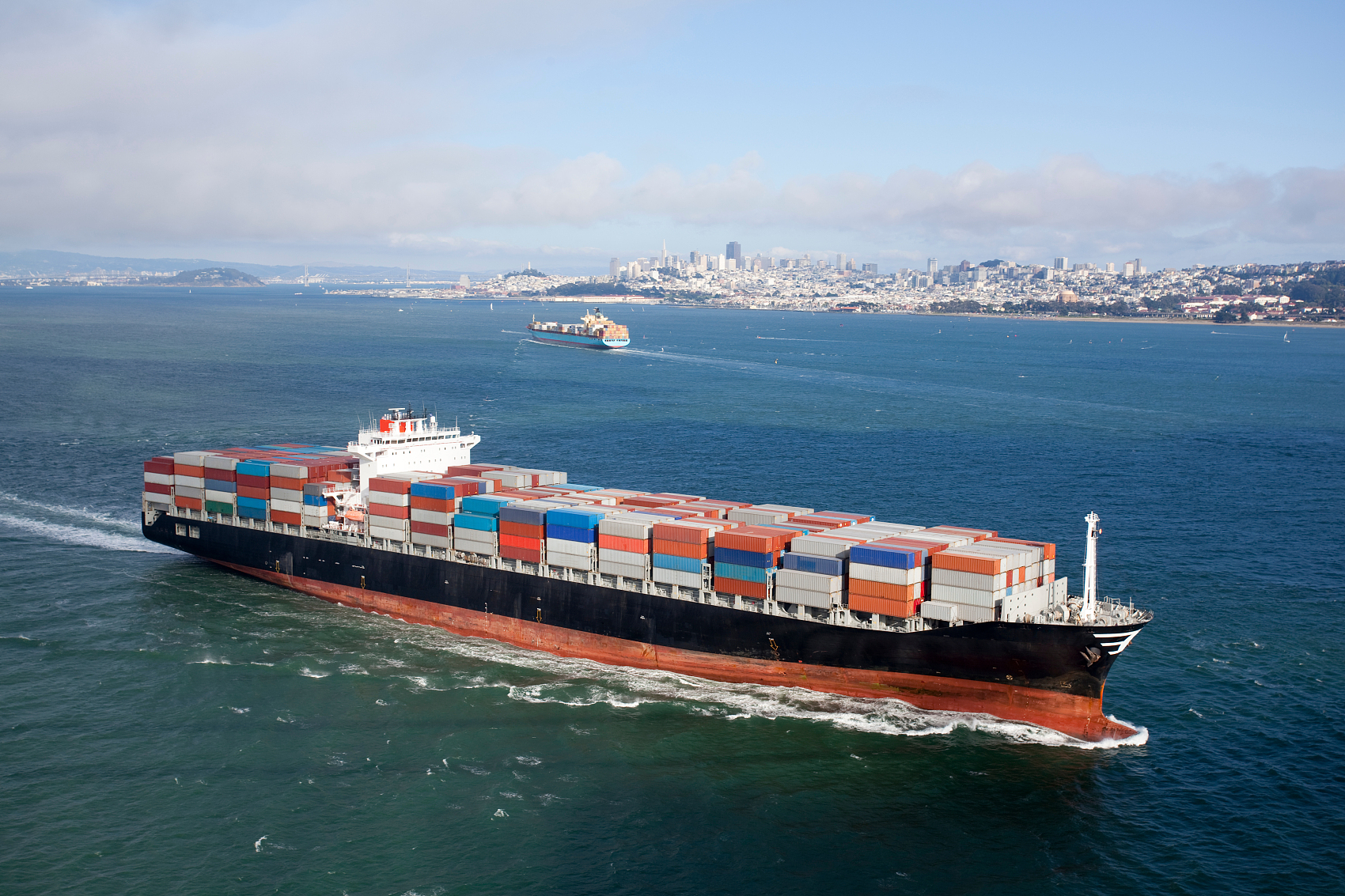
Indeed, these factors range from market dynamics to the specific characteristics of your cargo. Each plays a significant role in the final price you pay for container shipping from China to Chicago.
For example, global demand for shipping, fuel costs, and carrier capacity directly impact ocean freight rates. Moreover, the type and size of the container, along with the port of loading and discharge, also contribute to the total cost.
| Factor | Description | Impact on Cost |
|---|---|---|
| Container Type & Size | 20GP, 40GP, 40HQ, 45HQ containers | Larger containers generally have a higher base rate but lower per-unit cost. |
| Origin & Destination Ports | Specific ports in China (e.g., Shanghai, Ningbo) to Chicago | Port congestion, local drayage, and inland transportation costs vary significantly. |
| Fuel Surcharges (Bunker Adjustment Factor) | Fluctuating costs of marine fuel | A variable charge that can significantly increase or decrease the overall freight rate. |
| Peak Season Surcharges (PSS) | Increased demand during peak shipping periods (e.g., Q3, pre-holidays) | Rates can increase by 15-25% during these times due to limited capacity. |
| General Rate Increases (GRI) | Periodic adjustments by shipping lines | Carriers often implement GRIs to cover operational costs or respond to market changes. |
How Does the Shipping Process Work for FCL China to Chicago?
The FCL shipping process from China to Chicago involves several coordinated steps to ensure smooth delivery. Initially, it begins with booking space on a vessel and preparing the cargo for export.
Subsequently, the container is transported to the port of loading, undergoes customs clearance in China, and then sets sail. Upon arrival in a US port, the cargo must clear US customs before proceeding to its final destination.
Typical Transit Times and Routes for FCL China to Chicago
Understanding the transit time is essential for managing your supply chain and delivery schedules effectively. For FCL shipping from China to Chicago, the primary route involves ocean freight to a US West Coast port, followed by intermodal rail transport to Chicago.
Therefore, the total transit time typically ranges between 25 to 40 days, depending on the specific origin port in China, the carrier, and port congestion. Direct services to East Coast ports are also an option but incur longer ocean transit times.
West Coast Route (e.g., Shanghai to Long Beach/Los Angeles then Rail to Chicago)
Most FCL shipments destined for Chicago utilize major West Coast ports like Long Beach or Los Angeles. This strategy leverages efficient rail networks for onward transportation to the Midwest.
Ocean transit from China to the US West Coast typically takes 14-20 days. Subsequently, the intermodal rail freight journey to Chicago adds another 7-10 days, including drayage and rail yard processing.
East Coast Route (e.g., Shanghai to New York/New Jersey)
Alternatively, some shippers opt for direct ocean freight to US East Coast ports. While this avoids the intermodal rail segment, the sea journey itself is considerably longer.
Ocean transit to the East Coast can take 30-35 days. However, this option might be preferred if your inland destination is closer to an East Coast port, reducing overall drayage costs.
Estimating Your FCL Shipping Costs from China to Chicago
Calculating the precise freight rate for FCL shipping from China to Chicago requires a detailed breakdown of various charges. These costs encompass more than just the ocean freight itself, including origin charges, destination charges, and potential customs duties.
As of Q1 2025, FCL rates have generally stabilized after the volatility seen in previous years, though specific rates can still fluctuate based on fuel surcharges and carrier capacity.
| Cost Component | Description | Typical Range (USD) |
|---|---|---|
| Ocean Freight (Base Rate) | Cost of transporting the container by sea | $4,000 – $6,000 (40HQ) |
| Fuel Surcharge (BAF) | Adjusts for fuel price fluctuations | Varies, typically 15-25% of base rate |
| Terminal Handling Charges (THC) | Costs at origin and destination ports | $200 – $400 (per port) |
| Documentation Fees | Paperwork, manifest, bill of lading | $50 – $150 |
| Customs Brokerage Fees | Handling US import customs clearance | $150 – $300 |
| Drayage (Port to Rail/Warehouse) | Trucking from port to rail yard or initial warehouse | $300 – $700 |
| Intermodal Rail (West Coast to Chicago) | Train transport from West Coast to Chicago | $1,500 – $2,500 |
| Customs Duties & Taxes | Tariffs and taxes based on HS code and value | Varies widely (e.g., 0% to 25%+) |
| Delivery to Final Destination | Trucking from Chicago rail yard to final warehouse | $200 – $600 |
How Does FCL Shipping Compare to Other Shipping Options?
When importing goods from China to Chicago, FCL is a popular choice, but it is not the only option. Comparing FCL with alternatives like Less than Container Load (LCL) and air freight helps determine the most suitable method for your specific needs.
Each shipping method offers distinct advantages and disadvantages concerning cost, speed, and cargo capacity. Therefore, understanding these differences is crucial for effective logistics planning.
| Shipping Method | Cost Range (USD for 15 CBM) | Transit Time (China to Chicago) | Best For | Limitations |
|---|---|---|---|---|
| FCL (Full Container Load) | $4,500 – $6,500 (40HQ) | 25-40 days | Large volumes (15+ CBM), cost-efficiency, direct routing | Longer transit time, requires full container volume |
| LCL (Less than Container Load) | $1,000 – $2,000 | 30-50 days | Smaller volumes (under 15 CBM), flexibility | Higher per-CBM cost, more handling, potential delays |
| Air Freight | $12,000 – $20,000 | 5-10 days | Urgent, high-value, or time-sensitive cargo | Very high cost, volume/weight restrictions, environmental impact |
Which Option Should You Choose?
Selecting the right shipping method depends heavily on your priorities. Consider your budget, the urgency of the shipment, and the nature of your cargo.
For instance, if budget is your primary concern and you have a full container’s worth of goods, FCL is typically the most economical choice. Conversely, if speed is paramount for urgent or high-value goods, air freight becomes more attractive.
Navigating Customs and Compliance for China to Chicago Shipments
Successful FCL shipping from China to Chicago requires diligent attention to customs regulations in both countries. Proper documentation and adherence to import/export laws are paramount to avoid delays and penalties.
Working with an experienced customs brokerage service is often advisable. They can ensure all necessary paperwork is correctly prepared and submitted, streamlining the clearance process.
Key Documents for US Import
Importers must prepare a range of documents to facilitate customs clearance upon arrival in the United States. Inaccurate or incomplete documentation can lead to significant delays and storage fees.
Therefore, ensure you have all required paperwork in order before your shipment departs China.
| Document | Purpose | Issuing Party |
|---|---|---|
| Commercial Invoice | Details goods, value, buyer/seller | Shipper |
| Packing List | Itemizes contents of each package/container | Shipper |
| Bill of Lading (BOL) | Contract of carriage, title to goods | Carrier |
| Customs Bond | Guarantees payment of duties/taxes | Importer/Broker |
| ISF (Importer Security Filing) | Details cargo before loading onto vessel | Importer/Agent |
| Certificate of Origin | Verifies country of manufacture | Shipper/Manufacturer |
Customs Duties and Tariffs
Importers must account for customs duties and tariffs, which can significantly impact the overall landed cost. These charges are determined by the Harmonized System (HS) code of your goods and their country of origin.
Additionally, specific tariffs, such as Section 301 duties on certain Chinese goods, may apply. Consulting with a customs expert can help you understand your obligations and potential duty minimization strategies.
Case Studies: Real-World FCL Shipping from China to Chicago
Examining real-world scenarios provides valuable insights into the complexities and typical outcomes of FCL shipping from China to Chicago. These examples highlight how different factors influence cost and transit times.
These case studies are based on typical rates as of early 2025 and illustrate common challenges and solutions in international logistics. They demonstrate the importance of meticulous planning and reliable freight forwarding.
Case Study 1: Electronics Components for Midwest Distribution
This shipment involved consumer electronics components requiring efficient delivery to a distribution center near Chicago.
| Detail | Description |
|---|---|
| Route | Shanghai, China Chicago, USA (via Long Beach) |
| Cargo | Electronics components, 60 CBM, 12,000 kg |
| Container | 1 x 40HQ |
| Shipping Details | Carrier: COSCO, Port of Loading: Shanghai, Port of Discharge: Long Beach, Route Type: Transshipment via Busan |
| Cost Breakdown | Ocean Freight: $4,800, Origin Charges: $350, Destination Charges: $600, Customs & Duties (estimated): $1,500, Total Landed Cost: $7,250 |
| Timeline | Booking to Loading: 5 days, Sea Transit: 18 days, Customs Clearance: 3 days, Total Door-to-Door: 30 days |
| Key Insight | Efficient intermodal transfer at Long Beach prevented delays. Booking well in advance secured a competitive freight rate for FCL shipping from China to Chicago. |
Case Study 2: Furniture Import for Retail Chain
A furniture retailer needed to import a large volume of flat-pack furniture to their Chicago warehouse, emphasizing cost-effectiveness.
| Detail | Description |
|---|---|
| Route | Ningbo, China Chicago, USA (via Los Angeles) |
| Cargo | Flat-pack furniture, 68 CBM, 9,500 kg |
| Container | 1 x 40HQ |
| Shipping Details | Carrier: MSC, Port of Loading: Ningbo, Port of Discharge: Los Angeles, Route Type: Direct service |
| Cost Breakdown | Ocean Freight: $5,100, Origin Charges: $380, Destination Charges: $650, Customs & Duties (estimated): $2,200, Total Landed Cost: $8,330 |
| Timeline | Booking to Loading: 7 days, Sea Transit: 20 days, Customs Clearance: 4 days, Total Door-to-Door: 35 days |
| Key Insight | Choosing a direct service minimized transshipment risks. Careful planning around Chinese New Year avoided peak season surcharges, optimizing the overall freight rate for FCL shipping from China to Chicago. |
Case Study 3: Industrial Machinery for Manufacturing Plant
This shipment involved heavy industrial machinery, requiring specialized handling and a reliable door-to-door service.
| Detail | Description |
|---|---|
| Route | Qingdao, China Chicago, USA (via Seattle) |
| Cargo | Industrial machinery, 30 CBM, 18,000 kg |
| Container | 1 x 20GP |
| Shipping Details | Carrier: Maersk, Port of Loading: Qingdao, Port of Discharge: Seattle, Route Type: Direct service |
| Cost Breakdown | Ocean Freight: $4,200, Origin Charges: $300, Destination Charges: $550, Customs & Duties (estimated): $1,800, Total Landed Cost: $6,850 |
| Timeline | Booking to Loading: 6 days, Sea Transit: 17 days, Customs Clearance: 3 days, Total Door-to-Door: 28 days |
| Key Insight | The 20GP container was ideal for the heavy cargo, maximizing weight utilization. Selecting a less congested West Coast port like Seattle sometimes offers quicker turnaround for intermodal connections to Chicago. |
Optimizing Your Supply Chain and Freight Rate for FCL Shipping
To secure the most favorable Amazon FBA freight rate for FCL shipping from China to Chicago, strategic planning and an understanding of market dynamics are essential. Several approaches can help streamline your logistics and reduce overall costs.
Moreover, partnering with an experienced freight forwarder can provide invaluable expertise. They can offer insights into current logistics trends and help navigate potential challenges.
Tips for Cost-Saving
Consider these strategies to minimize your FCL shipping expenses. Small adjustments can lead to significant savings over time.
For example, consolidating orders to fill a container completely is a primary way to reduce per-unit shipping costs. Also, explore different shipping lines and routes.
Market Intelligence and Timing
Staying informed about market conditions and seasonal fluctuations is crucial for optimizing your freight rate. Rates typically increase during peak seasons and around major holidays.
Therefore, planning your shipments to avoid these periods can result in substantial savings. Furthermore, booking in advance often secures better rates and guarantees space on vessels.
Conclusion
Ultimately, successfully managing the freight rate for FCL shipping from China to Chicago demands a comprehensive understanding of various cost components, transit routes, and regulatory requirements. Strategic planning, leveraging market intelligence, and partnering with a reliable freight forwarder are key to optimizing your logistics.
By carefully considering all factors, businesses can ensure efficient, cost-effective, and timely delivery of goods, strengthening their supply chain from China to the heart of the USA.
Need a tailored shipping solution?
Ready to optimize your supply chain and secure a competitive freight rate for FCL shipping from China to Chicago? Contact our expert team today for a personalized quote and tailored logistics solutions. We are committed to providing reliable and cost-effective shipping services.