China to USA Container Shipping Pricing: 2026 Comprehensive Cost Guide
Navigating the complexities of china to usa container shipping pricing is a fundamental requirement for businesses managing trans-Pacific supply chains. China Top Freight provides specialized expertise to help importers optimize their logistics budgets while maintaining high delivery standards. Consequently, understanding the various cost components and market trends for 2026 will allow you to make informed decisions for your international trade operations.

Key Factors Influencing China to USA Container Shipping Pricing in 2026
Several variables contribute to the final cost of moving goods across the ocean from Chinese ports to American destinations. Currently, fuel prices and carrier capacity remain the most significant drivers of ocean freight rates 2026, as global trade patterns continue to shift. Additionally, seasonal demand cycles significantly impact how much you pay for space on a vessel during peak months.
Market data suggests that port congestion and labor availability in major hubs like Los Angeles or Savannah also play a critical role in pricing. Therefore, staying updated on regional logistics trends is vital for accurate budgeting and forecasting. Importers should also account for currency fluctuations and international trade policies that might introduce new tariffs or fees throughout the year.
Peak season surcharges 2026 typically emerge between August and October as retailers prepare for the holiday rush. Furthermore, the availability of empty containers in manufacturing hubs like Ningbo or Shenzhen can cause sudden spikes in 20ft container shipping cost and 40ft high cube freight charges. Working with an experienced freight forwarder China to USA helps mitigate these risks through better planning and contract negotiation.
Note: Freight rates are subject to change based on fuel costs, carrier capacity, and seasonal demand. Contact us for a current quote tailored to your specific shipment.
FCL vs LCL: Which Container Option Fits Your Budget?
Choosing between Full Container Load (FCL) and Less than Container Load (LCL) is a primary decision that affects your total expenditure. Sea freight offers the most economical way to transport large volumes, but the specific container type you select matters. FCL is generally preferred for shipments that can fill at least 70 percent of a standard container.
Smaller shipments often benefit from LCL shipping prices from China, where you only pay for the volume your cargo occupies. Conversely, LCL involves more handling and consolidation, which can occasionally lead to longer transit times and higher risk of damage. Many businesses find that once their volume exceeds 15 cubic meters, switching to a 20GP container becomes more cost-effective.
Standard shipping container dimensions dictate how much cargo you can fit and how the pricing is structured. For instance, a 40HQ container provides significantly more volume for a relatively small price increase over a 20GP unit. Because of this, optimizing your packaging to maximize container utilization is one of the most effective ways to lower your landed costs per unit.
| Container Type | Average Capacity | 2026 Price Range (West Coast) | Best For |
|---|---|---|---|
| 20GP Container | 28-30 CBM | $1,800 – $2,500 | Heavy or dense goods |
| 40GP Container | 56-58 CBM | $2,800 – $3,800 | Standard bulk cargo |
| 40HQ Container | 68-70 CBM | $3,200 – $4,500 | Lightweight, high volume |
| LCL (per CBM) | 1-15 CBM | $60 – $110 | Small trial shipments |
How Does Sea Freight Compare to Other Shipping Options?
Comparing sea freight to air or express services reveals significant trade-offs between speed and china to usa container shipping pricing. While ocean transport is the most budget-friendly, air freight offers unmatched speed for urgent or high-value inventory. Indeed, the cost of air shipping can be five to ten times higher than ocean freight for the same weight.
Express services provide the fastest door-to-door delivery but are usually reserved for documents or very small parcels under 100 kilograms. Meanwhile, ocean freight remains the backbone of global commerce due to its ability to handle massive volumes at a fraction of the cost. For many companies, a balanced approach using multiple modes is the most resilient strategy.
Industry benchmarks indicate that sea freight transit times have stabilized in early 2026, though they still range from 15 to 40 days. Consequently, businesses must plan their inventory cycles well in advance to avoid stockouts. If your lead times are short, you might consider a sea-air hybrid solution to balance cost and speed.
| Shipping Method | Cost Range | Transit Time | Limitations |
|---|---|---|---|
| Ocean Freight | Lowest ($2k-$5k) | 18-35 Days | Slowest transit |
| Air Freight | Highest ($8k-$20k) | 3-7 Days | Weight/Size limits |
| Express Courier | Premium ($15k+) | 2-5 Days | Very expensive for bulk |
| Sea-Air Hybrid | Moderate ($5k-$10k) | 12-18 Days | Complex coordination |
Major Shipping Routes and Port to Port Transit Time
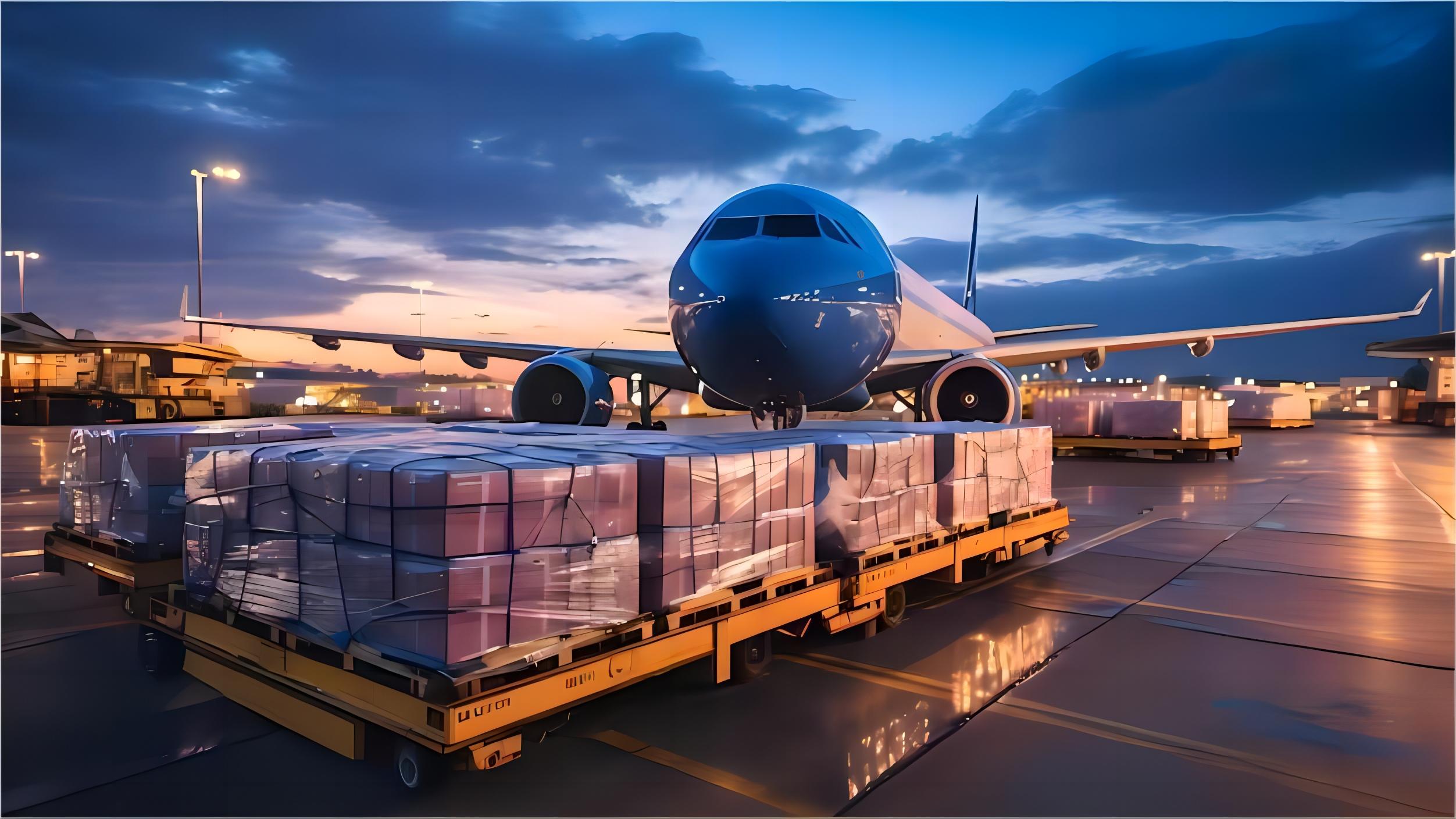
Selecting the right port of entry in the United States is just as important as choosing the loading port in China. Door to door services often rely on the efficiency of these specific gateways to minimize delays. West Coast ports like Long Beach and Los Angeles offer the shortest transit times from Shanghai or Ningbo.
East Coast destinations, such as New York or Savannah, require longer journeys through the Panama Canal or around the Cape. Although these routes take more time, they can be more cost-effective for businesses located in the eastern half of the country. Port to port transit time usually ranges from 14 to 18 days for the West Coast and 30 to 35 days for the East Coast.
Transshipment via intermediate hubs can sometimes offer lower china to usa container shipping pricing but adds complexity to the schedule. Therefore, you should weigh the savings against the potential for delays at connecting ports. Most reliable carriers now offer direct services to major US hubs to ensure maximum predictability for supply chain managers.
Understanding Customs and Documentation Costs
Navigating the legal requirements of international trade is a critical part of managing your total shipping spend. Customs brokerage services ensure that your cargo complies with all US Customs and Border Protection regulations. Failure to provide accurate documentation can lead to expensive fines and lengthy storage charges at the port.
Documentation requirements include the Bill of Lading, Commercial Invoice, and Packing List, among others. Additionally, you must account for import duties from China, which vary significantly based on the Harmonized System (HS) code of your products. Customs clearance fees USA are typically a flat rate per entry but can increase if intensive examinations are required.
Marine insurance costs should also be factored into your budget to protect against loss or damage during the long ocean voyage. Standard policies usually cost a small percentage of the total cargo value but provide essential peace of mind. Without insurance, your business bears the full financial risk of any maritime accidents or cargo mishandling.
| Document Type | Purpose | Typical Cost | Required For |
|---|---|---|---|
| Bill of Lading | Title of goods | Included in freight | All shipments |
| Commercial Invoice | Value declaration | No direct fee | Customs valuation |
| ISF (10+2) Filing | Security filing | $25 – $50 | Ocean imports |
| Customs Bond | Payment guarantee | $500 – $600/yr | All formal entries |
Alternative Strategies for Cost-Effective Logistics
Hybrid solutions like sea-air combinations are becoming increasingly popular for businesses that need faster delivery than ocean freight but cannot afford pure air rates. These services typically involve shipping goods by sea to a hub like Dubai or Singapore and then flying them to the final destination. This strategy can save up to 40 percent compared to standard air freight while cutting transit time in half.
Direct vs Transshipment choices offer another way to balance your china to usa container shipping pricing. While direct routes are faster and more reliable, transshipment options can sometimes save several hundred dollars per container. You should evaluate these options based on the urgency of your inventory needs and the stability of your logistics supply chain management.
Cost-saving strategies also include consolidating multiple small orders into a single FCL shipment at a warehouse in China. This practice, known as buyer’s consolidation, reduces the number of entries and minimizes destination handling fees. Moreover, scheduling your shipments during off-peak weeks can lead to significant discounts from major carriers.
Real-World Case Studies: 2026 Shipping Scenarios
Real-world examples provide the best insight into how china to usa container shipping pricing functions in the current market. These cases reflect actual shipments handled during the first half of 2026, showcasing different strategies and outcomes. By reviewing these scenarios, you can better estimate the landed costs for your own upcoming imports.
[Case Study 1: Electronics from Shanghai] Route: Shanghai, China to Long Beach, USA Cargo: Consumer Electronics, 18 CBM, 4500 kg Container: 20GP Shipping Details: – Carrier: Major carrier – Port of Loading: Shanghai – Port of Discharge: Long Beach – Route Type: Direct Cost Breakdown: – Ocean Freight: $2,150 – Origin Charges: $350 – Destination Charges: $450 – Customs: $1,200 – Total Landed Cost: $4,150 Timeline: – Booking: 4 days – Transit: 15 days – Customs: 2 days – Total: 21 days Key Insight: Direct routing and early booking ensured space during a minor capacity crunch.
[Case Study 2: Furniture from Ningbo] Route: Ningbo, China to Savannah, USA Cargo: Home Furniture, 65 CBM, 8000 kg Container: 40HQ Shipping Details: – Carrier: Global alliance vessel – Port of Loading: Ningbo – Port of Discharge: Savannah – Route Type: Via Panama Canal Cost Breakdown: – Ocean Freight: $4,800 – Origin Charges: $400 – Destination Charges: $650 – Customs: $2,400 – Total Landed Cost: $8,250 Timeline: – Booking: 7 days – Transit: 32 days – Customs: 3 days – Total: 42 days Key Insight: Using the East Coast port saved $1,200 in domestic trucking costs compared to West Coast discharge.

Which Option Should You Choose?
Selecting the right shipping method depends entirely on your specific business priorities and cargo characteristics. If budget is your primary concern and you have a lead time of at least six weeks, sea freight is the clear winner. However, if you are launching a new product or replenishing low stock, the speed of air freight might justify the higher expense.
Volume thresholds are also a major factor in the decision-making process. For shipments under 500 kilograms, express or air freight often proves more efficient due to lower minimum handling fees. Once you move into the 1,000 kilogram or 10 cubic meter range, ocean freight becomes significantly more attractive from a cost-per-unit perspective.
Cargo type considerations should not be overlooked, as hazardous materials or oversized items require specialized handling that influences pricing. Always consult with a professional logistics partner to determine the most compliant and cost-effective route for your specific goods. They can provide a detailed breakdown of all potential charges before you commit to a booking.
Tips for Managing Your Amazon FBA Shipments
Shipping for e-commerce requires a high degree of precision and adherence to strict delivery windows. Amazon FBA services simplify this process by handling the specialized labeling and palletization requirements mandated by fulfillment centers. Consequently, using a forwarder that understands these rules prevents costly rejections at the warehouse gate.
Compliance with Amazon’s standards is essential for maintaining your seller rating and avoiding additional storage fees. Many successful sellers use a combination of sea freight for their main stock and air freight for emergency restocks. This multi-modal approach ensures that your listings remain active even if there are unexpected delays in the ocean supply chain.
Effective inventory management also involves tracking your shipments in real-time to anticipate any potential disruptions. Most modern logistics providers offer digital platforms where you can monitor your containers as they move from China to the USA. This transparency allows you to update your marketing and sales plans based on actual arrival dates.
Future Outlook: Global Logistics Trends in 2026
Looking ahead, the logistics industry is embracing digital transformation and sustainable practices to improve efficiency. Air freight technology is evolving with more fuel-efficient planes, while ocean carriers are investing in greener vessels. These shifts may impact china to usa container shipping pricing as companies begin to factor carbon offsets into their freight rates.
Technological advancements in warehouse automation and AI-driven route optimization are also expected to streamline the trans-Pacific corridor. These innovations help reduce human error and speed up the processing of cargo at both origin and destination ports. As a result, importers can expect more predictable transit times and better visibility throughout the shipping process.
Sustainability is becoming a core requirement for many major retailers, leading to a rise in demand for eco-friendly shipping options. While these services may carry a slight premium initially, they offer long-term benefits in terms of brand reputation and regulatory compliance. Every business should consider how these trends will influence their logistics strategy over the next several years.
Mastering Your Container Shipping Costs
To summarize, successfully managing china to usa container shipping pricing requires a combination of market knowledge, strategic planning, and reliable partnerships. By understanding the differences between FCL and LCL, selecting the right ports, and accounting for all customs requirements, you can significantly reduce your landed costs. Furthermore, staying adaptable to market trends and utilizing hybrid shipping methods will ensure your supply chain remains resilient.
Reliable logistics support is the key to navigating the complexities of 2026 global trade. Whether you are a small business or a large enterprise, the right shipping strategy will provide a competitive edge in the American market. Start planning your next shipment today to lock in the best possible rates and transit times.
Need a tailored shipping solution?
Ready to optimize your supply chain and secure the most competitive china to usa container shipping pricing? Contact our expert team today to receive a personalized quote tailored to your specific cargo needs. Visit our website to learn how we can streamline your international logistics. Send Inquiry: https://chinatopfreight.com/