Container Shipping China to Germany: Your Ultimate Guide
Navigating the complexities of international logistics, especially for routes like China to Germany, demands expertise and precision. Businesses often face challenges such as varying freight rates, extended transit times, and intricate customs procedures. This comprehensive guide from China Top Freight provides solutions, ensuring your cargo reaches its destination efficiently and cost-effectively.
What are the Primary Container Shipping Routes from China to Germany?
Shipping goods from China to Germany predominantly utilizes sea freight, offering cost-effective solutions for bulk cargo. Major ports in China, such as Shanghai, Ningbo, Shenzhen, and Qingdao, serve as key departure points. These ports are gateways to global shipping lanes, connecting directly or via transshipment hubs to Germany’s main ports.
Upon arrival in Germany, ports like Hamburg, Bremerhaven, and Wilhelmshaven act as crucial entry points. From these hubs, cargo is then distributed inland via an extensive network of rail, road, and river transportation. Consequently, understanding these routes is vital for optimizing transit times and overall logistics planning.
How Do Shipping Costs from China to Germany Break Down?
Container shipping costs from China to Germany are influenced by several factors, including container size, shipping method, and current market conditions. These costs typically encompass ocean freight, origin charges, destination charges, and customs duties. Understanding each component is crucial for accurate budgeting.
For instance, a 40-foot container (40HQ) generally costs more than a 20-foot container (20GP) due to its larger volume. Freight rates are also subject to fluctuations based on fuel prices, peak seasons, and global supply chain dynamics. Therefore, obtaining a detailed quote is always recommended to avoid unexpected expenses.
| Cost Component | Description | Typical Range (USD) |
|---|---|---|
| Ocean Freight | Cost for transporting container by sea | $1,800 – $4,200 per container |
| Origin Charges | Terminal handling, documentation, loading in China | $300 – $600 |
| Destination Charges | Terminal handling, documentation, unloading in Germany | $400 – $800 |
| Customs Duties & Taxes | Import duties and VAT in Germany | Varies by commodity and value |
| Inland Transportation | From German port to final destination | $200 – $1,000+ |
What are the Typical Transit Times for Sea Freight from China to Germany?
Transit times for sea freight from China to Germany vary depending on the specific origin and destination ports, as well as the chosen shipping line and service. Direct services offer faster transit, while routes involving transshipment through intermediate ports may take longer. Planning ahead is key to managing expectations.
Generally, a full container load (FCL) shipment can take between 28 to 38 days for port-to-port transit. Less than container load (LCL) shipments might add an extra 3-7 days due to consolidation and deconsolidation processes. Therefore, factoring in these variables is essential for supply chain management.
| Origin Port (China) | Destination Port (Germany) | Average Transit Time (Days) |
|---|---|---|
| Shanghai | Hamburg | 30-35 |
| Ningbo | Bremerhaven | 32-37 |
| Shenzhen | Hamburg | 28-33 |
| Qingdao | Bremerhaven | 33-38 |
| Xiamen | Hamburg | 31-36 |
How Does Sea Freight Compare to Other Shipping Options?
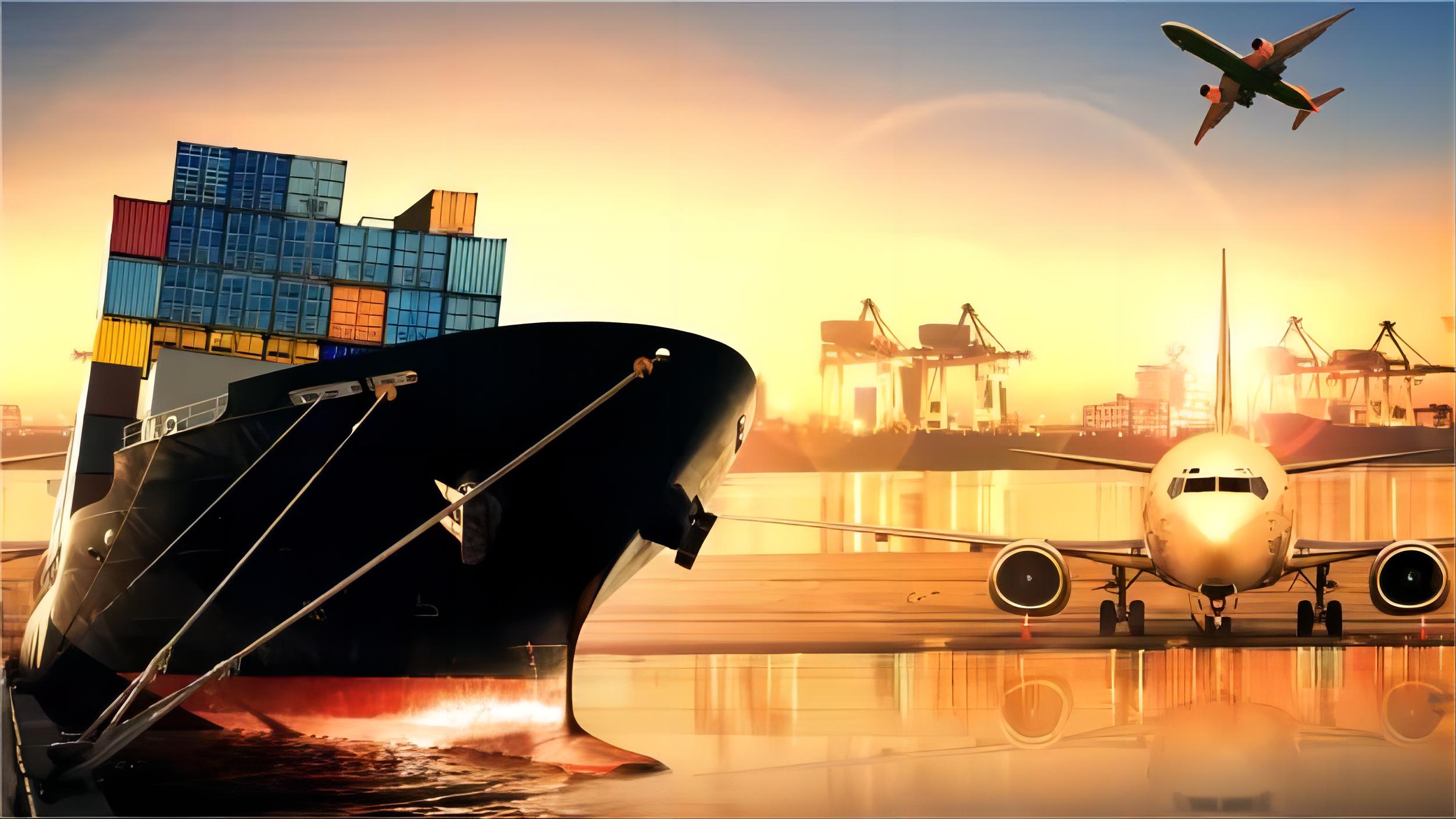
While sea freight is the most common and economical choice for container shipping, alternative methods like air freight and rail freight offer different advantages. Each option caters to specific needs regarding speed, cost, and cargo type. Consequently, choosing the right method significantly impacts your supply chain efficiency.
For instance, air freight provides unparalleled speed for urgent shipments, though at a considerably higher cost. Rail freight, on the other hand, balances speed and cost, offering a viable alternative for certain routes. Evaluating these options against your priorities is crucial.
| Shipping Method | Cost Range (40HQ est.) | Transit Time (China-Germany) | Best For | Limitations |
|---|---|---|---|---|
| Sea Freight (FCL) | $3,000-$4,200 | 28-38 days | Large volumes, heavy goods, cost-effectiveness | Slowest transit, potential port congestion |
| Sea Freight (LCL) | $50-$80/CBM | 35-45 days | Smaller shipments, flexible volumes | Longer transit than FCL, potential damage |
| Rail Freight | $8,000-$12,000 | 18-25 days | Mid-size volumes, faster than sea, cheaper than air | Limited routes, capacity constraints |
| Air Freight | $15,000-$25,000 | 3-7 days | Urgent, high-value, perishable goods | Highest cost, volume/weight restrictions |
Which Option Should You Choose?
Choosing the optimal shipping method depends heavily on your specific business priorities. Budget, urgency, and cargo characteristics play significant roles in this decision. Ultimately, a balanced approach often yields the best results for your supply chain.
For example, if cost is your primary concern and time allows, sea freight remains the superior choice. However, for high-value, time-sensitive goods, the investment in air freight might be justified. Consider your inventory turnover and customer delivery expectations carefully.
What Customs and Documentation are Required for Importing into Germany?
Importing goods from China to Germany necessitates meticulous adherence to customs regulations and documentation. Proper preparation prevents delays and ensures smooth clearance. Therefore, engaging a reliable customs brokerage service is often beneficial.
Key documents typically include the commercial invoice, packing list, bill of lading, and certificate of origin. Additionally, specific products may require import licenses, quality certificates, or conformity declarations. Staying informed about current EU and German import rules is paramount to avoid penalties.
| Document | Purpose | Notes |
|---|---|---|
| Commercial Invoice | Details of goods, value, seller/buyer | Used for customs valuation and duties |
| Packing List | Itemized list of contents per package | Aids customs inspection and cargo handling |
| Bill of Lading (B/L) | Contract of carriage, title to goods | Issued by carrier, essential for cargo release |
| Certificate of Origin | Proves country of manufacture | May be required for trade agreements |
| Import License | Permit for restricted goods | Varies by product category (e.g., certain chemicals) |
Can You Provide Real-World Examples of Container Shipping from China to Germany?
Examining actual case studies provides valuable insights into the practicalities of container shipping. These scenarios highlight various challenges and successful strategies employed by businesses. Such examples demonstrate the importance of tailored logistics solutions.
Case Study 1: E-commerce Bulk Order
A German e-commerce retailer needed to restock a large quantity of consumer electronics from their supplier in Shenzhen. The priority was cost-effectiveness while maintaining a reasonable transit time.
| Detail | Description |
|---|---|
| Route | Shenzhen, China -> Hamburg, Germany |
| Cargo | Consumer Electronics, 60 CBM, 15,000 kg |
| Container | Two 40HQ containers |
| Shipping Details | Carrier: MSC, Port of Loading: Yantian, Port of Discharge: Hamburg, Route Type: Direct |
| Cost Breakdown | Ocean Freight: $7,800, Origin Charges: $1,100, Destination Charges: $1,400, Customs & Duties (estimated): $3,500, Total Landed Cost: $13,800 (Based on Q3 2024 market rates) |
| Timeline | Booking to Loading: 5 days, Sea Transit: 32 days, Customs Clearance: 3 days, Total Door-to-Door: 40 days |
| Key Insight | Direct service minimized transit time and costs for FCL. Efficient customs brokerage prevented delays, crucial for peak season sales. |
Case Study 2: Machinery Parts for Manufacturing
A German manufacturing company required a critical consignment of machine parts from Shanghai. While not extremely urgent, reliability and careful handling were paramount.
| Detail | Description |
|---|---|
| Route | Shanghai, China -> Bremerhaven, Germany |
| Cargo | Precision Machine Parts, 12 CBM, 5,000 kg |
| Container | LCL shipment (Less than Container Load) |
| Shipping Details | Carrier: COSCO (consolidated), Port of Loading: Shanghai, Port of Discharge: Bremerhaven, Route Type: Transshipment via Singapore |
| Cost Breakdown | Ocean Freight: $960, Origin Charges: $250, Destination Charges: $350, Customs & Duties (estimated): $800, Total Landed Cost: $2,360 (Typical rates as of early 2025) |
| Timeline | Booking to Loading: 7 days, Sea Transit: 38 days, Customs Clearance: 4 days, Total Door-to-Door: 49 days |
| Key Insight | LCL was cost-effective for the smaller volume. Choosing a reputable carrier for consolidation ensured cargo safety despite longer transit due to transshipment. |
Case Study 3: Urgent Textile Samples
A fashion brand needed textile samples from Guangzhou delivered to Berlin quickly for an upcoming trade show. Speed was the absolute priority over cost.
| Detail | Description |
|---|---|
| Route | Guangzhou, China -> Berlin, Germany |
| Cargo | Textile Samples, 0.5 CBM, 100 kg |
| Container | Air Cargo (Express Service) |
| Shipping Details | Carrier: Lufthansa Cargo, Port of Loading: Guangzhou Baiyun (CAN), Port of Discharge: Frankfurt (FRA), Route Type: Direct Air Freight |
| Cost Breakdown | Air Freight: $1,500, Origin Charges: $150, Destination Charges: $200, Customs & Duties (estimated): $100, Total Landed Cost: $1,950 (Based on Q1 2025 express rates) |
| Timeline | Booking to Loading: 1 day, Air Transit: 2 days, Customs Clearance: 1 day, Total Door-to-Door: 4 days |
| Key Insight | Air freight was indispensable for the time-sensitive nature of the samples. The higher cost was justified by meeting the critical deadline. |
Disclaimer
Note: Freight rates are subject to change based on fuel costs, carrier capacity, and seasonal demand. Contact us for a current quote tailored to your specific shipment. Market data suggests rates can increase 15-25% during August-October peak season.
Market Context
As of Q1 2025, freight rates from China to Europe have largely stabilized after the Red Sea disruptions of 2024. However, geopolitical events and fuel price volatility continue to influence pricing. Industry benchmarks indicate a general return to pre-pandemic levels for standard routes, with some regional variations. Consequently, staying updated on global logistics trends is vital for importers.
What are the Benefits of a Door-to-Door Shipping Service?
Opting for a door-to-door shipping service simplifies the entire logistics process for importers. This comprehensive solution covers every stage, from pickup at the supplier’s factory in China to final delivery at your warehouse in Germany. Ultimately, it reduces complexity and administrative burden.
Moreover, a single point of contact for the entire journey minimizes miscommunication and potential delays. It often includes customs clearance, terminal handling, and inland transportation. Therefore, this integrated approach allows businesses to focus on their core operations, saving time and resources.
How Can You Optimize Your Container Shipping Strategy?
Optimizing your container shipping strategy involves several key considerations to enhance efficiency and reduce costs. Effective planning and utilization of resources are paramount for successful international trade. Furthermore, leveraging technology and expert advice can provide a significant competitive edge.
Firstly, consider consolidating smaller shipments into LCL to save on costs, or utilize FCL for larger volumes. Secondly, explore different shipping methods like rail freight as a middle-ground between sea and air for certain goods. Lastly, partner with an experienced freight forwarder who can navigate customs and provide transparent tracking. This proactive approach ensures a streamlined supply chain.
Conclusion
Efficient container shipping from China to Germany is crucial for businesses engaged in international trade. Understanding the nuances of routes, costs, transit times, and customs regulations is vital for successful logistics operations. Furthermore, selecting the right shipping method and partnering with a knowledgeable freight forwarder can significantly optimize your supply chain.
By leveraging comprehensive services and strategic planning, you can ensure your goods arrive in Germany reliably and cost-effectively. Ultimately, mastering container shipping from China to Germany empowers your business to thrive in the global marketplace.
Ready to streamline your logistics?
Ready to streamline your container shipping from China to Germany? Contact our experts today for a personalized consultation and a competitive quote tailored to your specific logistics needs. We are committed to providing reliable and efficient solutions for your international freight requirements.