

Container Shortage Solution for FCL Shipping China to Belgium
The global supply chain faces constant challenges, with container shortages being a significant hurdle for businesses relying on FCL shipping from China to Belgium. This situation often leads to increased costs and delays, impacting delivery schedules and profitability. However, strategic planning and expert partnerships can provide a robust container shortage solution for FCL shipping from China to Belgium. This article explores practical strategies to navigate these complexities effectively.
✦
Understanding the FCL Container Shortage from China to Belgium
The current global logistics landscape is marked by persistent container imbalances and port congestion. This directly affects the availability of FCL containers, especially for high-demand routes like China to Belgium. Consequently, shippers face higher freight rates and extended lead times for their cargo.
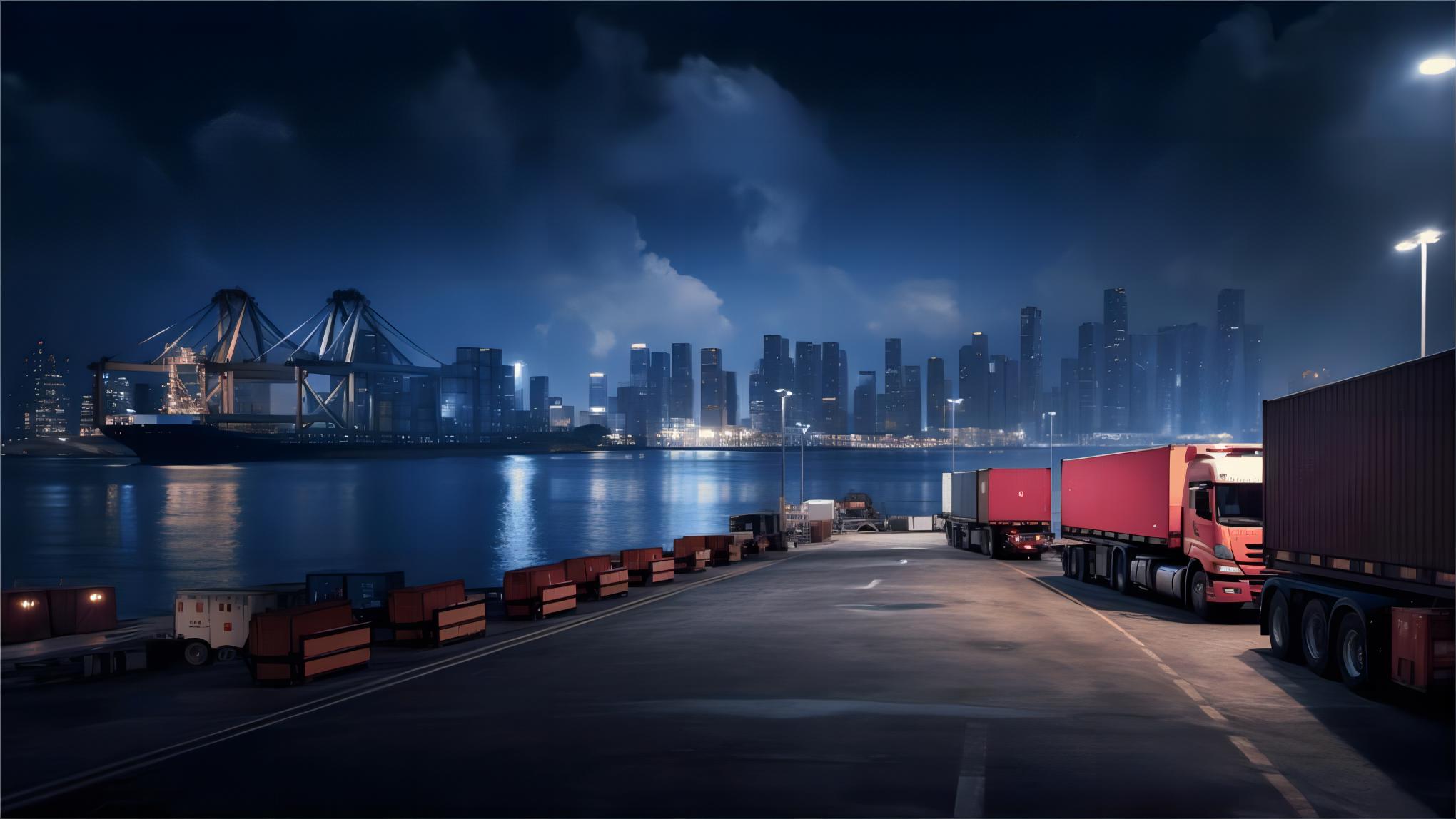
Several factors contribute to this scarcity, including geopolitical events, seasonal peaks, and unexpected surges in consumer demand. Moreover, the efficient repositioning of empty containers remains a complex logistical challenge. Understanding these underlying causes is the first step toward finding a viable container shortage solution for FCL shipping from China to Belgium.
Proactive Strategies for Securing FCL Containers
Early Booking and Flexible Scheduling
Booking your FCL shipments well in advance is paramount in a volatile market. This proactive approach significantly increases your chances of securing container space and preferred vessel schedules. Furthermore, it allows for better negotiation of freight rates, which can reduce overall FCL shipping costs.

Flexibility with shipping dates and port choices can also be a game-changer. Sometimes, shifting your departure by a few days or utilizing a less congested port can yield better container availability. This adaptability helps circumvent peak period congestion and reduce FCL shipping delays from China to Belgium.
Building Strong Carrier and Forwarder Relationships
Establishing strong, long-term relationships with reputable carriers and freight forwarders is invaluable. Preferred partners often receive priority access to equipment and vessel space, even during periods of high demand. Therefore, cultivating these connections can provide a competitive edge during shortages.
A reliable freight forwarder, like China Top Freight, can leverage its network and market intelligence. They can anticipate upcoming challenges and offer alternative solutions, such as alternative routes or less common port combinations. Consequently, this partnership becomes a critical asset for your supply chain management.
Exploring Alternative Routes and Equipment Options
While FCL sea freight is the primary method, exploring alternatives or hybrid solutions can alleviate pressure on traditional routes. For instance, considering rail freight from China to Europe offers a faster transit time than sea, though it might involve transshipment to Belgium. This method provides a viable option for certain cargo types and can be a good container shortage solution.
Furthermore, investigating different container types or sizes, if feasible for your cargo, might open up more availability. Sometimes, a 20GP container is easier to source than a 40HQ, depending on market dynamics. Always assess the cost-effectiveness of such changes to ensure optimal freight rates for China to Belgium.
How Does FCL Sea Freight Compare to Other Shipping Options?
When seeking a container shortage solution for FCL shipping from China to Belgium, it is essential to evaluate all viable transport methods. Each option presents a unique balance of cost, speed, and capacity. Therefore, understanding these trade-offs is crucial for informed decision-making regarding your import from China.
For example, while sea freight remains the most economical for large volumes, its transit times are significantly longer. In contrast, air freight offers speed but at a premium cost. This comparison helps identify the optimal strategy for your specific needs, considering factors like cargo type and urgency.
| Shipping Method | Cost Range (40HQ/CBM) | Transit Time (Days) | Best For | Limitations |
|---|---|---|---|---|
| FCL Sea Freight | $3,000-4,200 (40HQ) | 30-35 | Large volumes, bulk goods, cost-sensitive | Slow, susceptible to port congestion/shortages |
| LCL Sea Freight | $80-120/CBM | 35-45 | Smaller shipments (under 15 CBM), flexible volume | Longer transit, multiple handling points, potential for delays |
| Rail Freight | $8,000-12,000 (40HQ) | 18-25 | Time-sensitive, mid-to-high value goods | Faster than sea, limited capacity, higher cost than sea, less flexible routes |
| Air Freight | $8-15/kg | 5-8 | Urgent, high-value, perishable goods | Highest cost, volume/weight restrictions, carbon footprint |
Which Option Should You Choose?
If budget is your primary concern and you have large, non-urgent cargo, FCL sea freight is typically the best choice. However, during container shortages, securing space might require extra effort and foresight. This method is ideal for stable supply chains and bulk goods.
For time-critical shipments or smaller, valuable goods, air freight provides unparalleled speed. Although significantly more expensive, it bypasses port congestion and container availability issues. Consider this for urgent stock replenishment or high-value electronics.
Meanwhile, rail freight presents a compelling middle-ground for many shippers. It offers a balance of speed and cost, making it suitable for goods that are too slow for sea but too expensive for air. This method is increasingly popular for its efficiency and environmental benefits.
For smaller volumes that do not fill an entire container, LCL (Less than Container Load) shipping is a practical solution. While transit times can be longer due to consolidation, it avoids the commitment of a full container. This flexibility can be advantageous when FCL containers are scarce, helping to manage shipping costs from China to Belgium.
Optimizing Your Supply Chain for China-Belgium FCL Shipments
Enhancing Customs Clearance and Documentation
Efficient customs clearance is vital for avoiding delays at both origin and destination. Ensuring all documentation is accurate and complete prevents costly holdups at Belgian ports. Therefore, partnering with an experienced customs brokerage service is highly recommended for smooth import/export operations.
A professional broker can proactively manage declarations, tariffs, and compliance requirements. This expertise minimizes risks and streamlines the import process into Belgium. Moreover, it helps maintain predictable delivery schedules, crucial for supply chain stability.
Leveraging Door-to-Door Services
Opting for door-to-door services simplifies your logistics significantly. This comprehensive solution handles every step, from factory pickup in China to final delivery in Belgium. Consequently, it reduces your administrative burden and coordination efforts, offering a seamless experience.
A single point of contact for the entire shipping process enhances accountability and transparency. This integrated approach is particularly beneficial when navigating complex supply chain disruptions or when seeking to reduce the stress of managing multiple vendors. It offers peace of mind and operational efficiency.
The Role of Technology in Freight Management
Modern logistics platforms and tracking technologies offer real-time visibility into your shipments. This insight allows for proactive problem-solving and better inventory management, which is crucial during container shortages. Indeed, technological adoption is key to building supply chain resilience.
Utilizing predictive analytics can help anticipate potential delays or capacity crunches. This data-driven approach supports more informed decision-making and helps optimize routes and schedules. Therefore, investing in such tools yields significant returns by improving delivery schedule adherence and reducing unforeseen costs.
Real-World Solutions: Case Studies in FCL Shipping
Exploring real-world scenarios demonstrates how businesses have successfully navigated FCL container shortages from China to Belgium. These examples highlight practical strategies and the outcomes achieved, offering valuable insights for your own shipping needs.
Case Study 1: E-commerce Goods from Shenzhen to Antwerp
This case illustrates how proactive booking and strong carrier relationships can secure vital space even during high demand.
| Detail | Description |
|---|---|
| Route | Shenzhen, China -> Antwerp, Belgium |
| Cargo | Consumer Electronics, 65 CBM, 15,000 kg |
| Container | 40HQ |
| Carrier/Service | COSCO |
| Port of Loading | Shenzhen |
| Port of Discharge | Antwerp |
| Route Type | Direct |
| Ocean Freight (Est. Q3 2024) | $3,800 |
| Origin Charges | $450 |
| Destination Charges | $300 |
| Customs & Duties (est.) | $1,200 |
| Total Landed Cost (est.) | $5,750 |
| Booking to Loading | 7 days |
| Sea Transit | 32 days |
| Customs Clearance | 3 days |
| Total Door-to-Door | 42 days |
| Key Insight | Early booking (3 weeks in advance) secured a direct vessel despite peak season demand, providing a reliable container shortage solution. |
Case Study 2: Industrial Components from Ningbo to Zeebrugge
This example demonstrates the cost benefits of considering transshipment routes for specific cargo types, offering a flexible container shortage solution.
| Detail | Description |
|---|---|
| Route | Ningbo, China -> Zeebrugge, Belgium |
| Cargo | Machine Parts, 25 CBM, 18,000 kg |
| Container | 20GP |
| Carrier/Service | MSC |
| Port of Loading | Ningbo |
| Port of Discharge | Zeebrugge |
| Route Type | Transshipment via Singapore |
| Ocean Freight (Est. early 2025) | $2,500 |
| Origin Charges | $380 |
| Destination Charges | $280 |
| Customs & Duties (est.) | $950 |
| Total Landed Cost (est.) | $4,110 |
| Booking to Loading | 10 days |
| Sea Transit | 38 days |
| Customs Clearance | 4 days |
| Total Door-to-Door | 52 days |
| Key Insight | Opting for a transshipment route offered a significant cost saving for the 20GP container, though with a slightly extended transit time, proving an effective solution for budget-conscious cargo. |
Case Study 3: Seasonal Apparel from Shanghai to Antwerp
This case highlights how a strong forwarder relationship can ensure priority booking and fast turnaround for time-sensitive, seasonal goods, even amidst container scarcity.
| Detail | Description |
|---|---|
| Route | Shanghai, China -> Antwerp, Belgium |
| Cargo | Apparel and Textiles, 68 CBM, 12,000 kg |
| Container | 40HQ |
| Carrier/Service | Maersk |
| Port of Loading | Shanghai |
| Port of Discharge | Antwerp |
| Route Type | Direct |
| Ocean Freight (Est. Q4 2024) | $4,100 |
| Origin Charges | $480 |
| Destination Charges | $320 |
| Customs & Duties (est.) | $1,500 |
| Total Landed Cost (est.) | $6,400 |
| Booking to Loading | 5 days |
| Sea Transit | 30 days |
| Customs Clearance | 2 days |
| Total Door-to-Door | 39 days |
| Key Insight | Despite peak season and container scarcity, a strong forwarder relationship ensured priority booking and a fast turnaround, demonstrating a reliable solution for urgent seasonal goods. |
Navigating Current Market Conditions and Future Outlook
As of Q1 2025, freight rates from China to Europe have stabilized somewhat after the Red Sea disruptions of 2024. However, market volatility persists due to ongoing geopolitical tensions and fluctuating demand. Therefore, staying informed about global logistics trends is essential for effective supply chain planning.
Industry experts predict continued pressure on container availability, especially during traditional peak seasons like before Chinese New Year and the Q3 holiday rush. Businesses should anticipate potential rate increases of 15-25% during these periods. Consequently, proactive planning becomes even more critical for managing FCL shipping costs from China to Belgium.
Nevertheless, investments in new container manufacturing and port infrastructure aim to alleviate long-term shortages. Meanwhile, shippers must adapt by diversifying their strategies and maintaining flexible supply chains. This forward-looking approach ensures resilience against future disruptions.
Note: Freight rates are subject to change based on fuel costs, carrier capacity, and seasonal demand. Contact us for a current quote tailored to your specific shipment.
Partnering for a Seamless FCL Shipping Experience
Finding a reliable logistics partner is arguably the most effective container shortage solution for FCL shipping from China to Belgium. A seasoned freight forwarder offers invaluable expertise in navigating complex international shipping challenges. They act as an extension of your team, providing crucial support.
China Top Freight specializes in optimizing supply chains for the China-Europe route, including Belgium. We provide comprehensive services, from origin consolidation to destination delivery, ensuring your cargo reaches Belgium efficiently. Our extensive network and market insights are at your disposal to secure your FCL shipments.
Your Path to Resilient FCL Shipping
In conclusion, while container shortages pose significant challenges for FCL shipping from China to Belgium, a combination of proactive strategies, diverse shipping options, and strong logistics partnerships can provide effective solutions. By focusing on early booking, leveraging carrier relationships, and optimizing your supply chain, businesses can mitigate risks and ensure timely delivery.
Ultimately, a well-planned approach is the best <a href=”https://chinatopfreight.com/services/door-to-door/”>container shortage solution for FCL shipping from China to Belgium</a>. Partnering with experts allows you to navigate market complexities with confidence, ensuring your goods reach their destination efficiently and cost-effectively.