

40GP FCL Insurance for Machinery from China to Florida: Your Essential Guide
Shipping valuable machinery from China to Florida requires meticulous planning and robust protection. Specifically, securing a 40GP FCL (Full Container Load) for your equipment demands careful consideration of logistics and risk management. This comprehensive guide, brought to you by China Top Freight, delves into the intricacies of ensuring a smooth, secure, and cost-effective journey for your industrial assets.

Why is 40GP FCL Insurance for Machinery from China to Florida Crucial?
Transporting heavy machinery across oceans inherently involves numerous risks. These can range from natural disasters and accidents at sea to cargo damage during loading, unloading, or transit. Consequently, robust marine cargo insurance is not merely an option but a vital safeguard for your investment.
Without adequate coverage, any unforeseen incident could lead to significant financial losses for your business. Therefore, understanding the scope and necessity of this insurance is paramount for importers dealing with valuable industrial equipment. It protects against potential damage, loss, or theft during the entire shipping process.
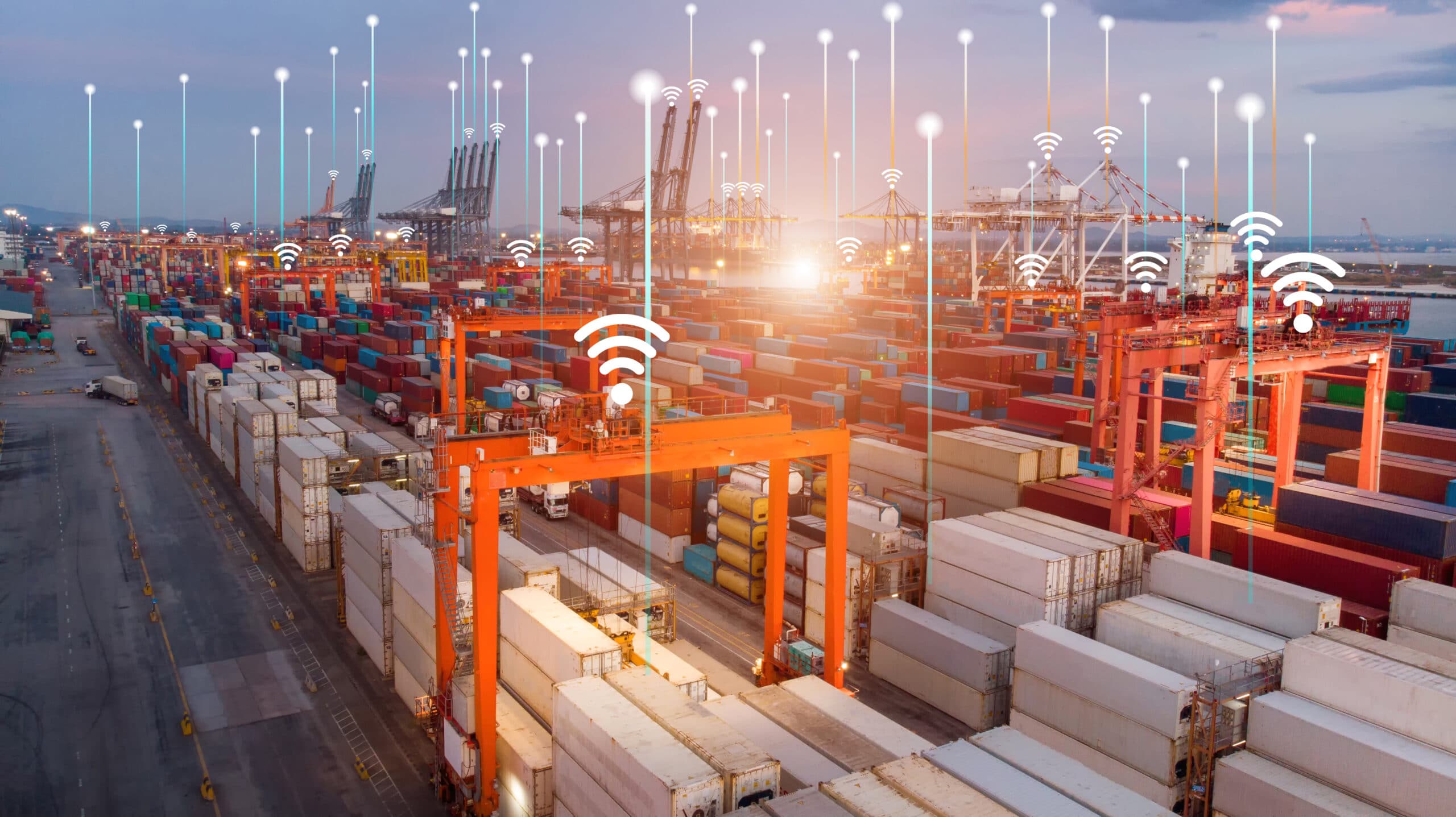
Understanding Your 40GP FCL Shipping Options to Florida
When importing machinery, Full Container Load (FCL) shipping is often the preferred method for its security and efficiency. Utilizing a 40GP container means your machinery occupies the entire container, minimizing handling and potential damage.
Choosing sea freight is typically the most economical option for large, heavy machinery. This method provides ample capacity for substantial equipment, offering a balance between cost-effectiveness and reliable delivery. Nevertheless, transit times are longer compared to air freight, which requires careful planning for your supply chain.
Several factors influence the overall shipping cost and transit time for a 40GP FCL from China to Florida. These include the origin port in China, the destination port in Florida (e.g., Miami, Jacksonville, Port Everglades), carrier selection, and current freight rates. Moreover, seasonal demand and fuel surcharges can significantly impact pricing.
Key Components of Marine Cargo Insurance for Heavy Equipment
Marine cargo insurance policies for machinery are complex and require careful review. Typically, coverage options range from ‘All Risks’ to ‘Free of Particular Average’ (FPA) or ‘With Average’ (WA). ‘All Risks’ provides the broadest protection, covering most external causes of loss or damage, which is highly recommended for high-value machinery.
Crucially, exclusions often apply to inherent vice, war, strikes, riots, and civil commotions, unless specifically endorsed. Therefore, it is essential to discuss your specific machinery type and its vulnerabilities with your insurance provider. Understanding these nuances helps tailor a policy that truly protects your assets during their journey.
Furthermore, the declared value of your machinery directly impacts the premium and potential payout. Accurately assessing the replacement cost, including freight and duties, ensures adequate coverage. Consider additional clauses like ‘warehouse to warehouse’ coverage for comprehensive protection beyond just ocean transit.

Navigating Customs and Compliance for Machinery Imports to Florida
Importing machinery into the United States, particularly Florida, involves strict customs regulations and compliance requirements. Proper documentation, including the Bill of Lading, Commercial Invoice, Packing List, and any necessary permits, is critical for smooth customs clearance. Errors can lead to significant delays and penalties.
Furthermore, machinery often falls under specific HTS (Harmonized Tariff Schedule) codes, which determine applicable import duties and taxes. Engaging a reliable customs brokerage service is invaluable here. They can help classify your goods correctly, prepare all required paperwork, and ensure compliance with U.S. Customs and Border Protection (CBP) regulations.
Additionally, certain types of machinery may be subject to specific agency requirements, such as EPA (Environmental Protection Agency) or FDA (Food and Drug Administration) approvals. Proactive engagement with these requirements prevents costly hold-ups at the port of entry. This proactive approach is essential for efficient import/export operations.
How Does Sea Freight Compare to Other Shipping Options?
While sea freight is the primary method for 40GP FCL machinery, understanding alternatives provides valuable context. Air freight, for example, offers significantly faster transit times but at a much higher cost, making it impractical for most heavy machinery shipments. On the other hand, LCL (Less than Container Load) shipping might seem cheaper per cubic meter for smaller items, but for machinery that fills a 40GP, FCL is more secure and often more cost-effective overall.
Moreover, hybrid solutions like sea-air are generally not suitable for large machinery due to handling complexities and cost. Rail freight is not applicable for direct China to Florida routes, though it plays a role in overland transport within continents. Ultimately, the choice depends on your specific cargo, budget, and urgency.
This comparison highlights why 40GP FCL via sea freight remains the industry standard for shipping heavy industrial equipment over long distances. It balances cost, capacity, and security for valuable assets. Consider the following table for a clearer perspective on general shipping methods for large cargo.
Note: Freight rates are subject to change based on fuel costs, carrier capacity, and seasonal demand. Contact us for a current quote tailored to your specific shipment.
| Shipping Method | Cost Range (40GP equivalent) | Transit Time (China to Florida) | Best For | Limitations |
|---|---|---|---|---|
| Sea Freight (FCL) | $4,000 – $6,500+ | 30-45 days | Heavy, bulky, non-urgent machinery | Slowest transit, port congestion risk |
| Air Freight (Special Cargo) | $15,000 – $35,000+ | 5-10 days | Urgent, high-value, smaller components | Extremely high cost, size/weight restrictions |
| LCL Sea Freight (for smaller parts) | $50 – $100/CBM | 35-50 days | Small machinery, parts, less than 15 CBM | More handling, potential delays, less secure for entire machinery |
Real-World Scenarios: 40GP FCL Machinery Shipments to Florida
Exploring actual case studies provides practical insights into the complexities and solutions for shipping machinery. These examples demonstrate the importance of meticulous planning, proper documentation, and robust insurance. They also highlight typical transit times and cost components for shipping to North America.
Case Study 1: CNC Machine from Shanghai to Miami
This case exemplifies a standard 40GP FCL shipment of high-value manufacturing equipment. The client prioritized comprehensive insurance and a reliable delivery schedule. Understanding the nuances of large machinery transport is essential for such operations.
| Detail | Description |
|---|---|
| Route | Shanghai, China Miami, Florida (Port of Miami) |
| Cargo | 1 x CNC Milling Machine, 28 CBM, 12,000 kg |
| Container | 40GP FCL |
| Shipping Details | Carrier: COSCO; Port of Loading: Shanghai; Port of Discharge: Miami; Route Type: Direct |
| Cost Breakdown (Based on Q4 2024 rates) | Ocean Freight: $5,200; Origin Charges: $450; Destination Charges: $600; Customs & Duties (est): $1,800; Total Landed Cost: $8,050 |
| Timeline | Booking to Loading: 5 days; Sea Transit: 32 days; Customs Clearance: 3 days; Total Door-to-Door: 40 days |
| Key Insight | Comprehensive ‘All Risks’ marine cargo insurance was crucial due to the machinery’s high value and sensitivity, providing peace of mind. |
Case Study 2: Agricultural Equipment from Ningbo to Jacksonville
This shipment involved bulky agricultural machinery requiring careful crating and securing within the 40GP container. The client opted for a door-to-door solution to simplify logistics. Efficient cargo handling was a key success factor here.
| Detail | Description |
|---|---|
| Route | Ningbo, China Jacksonville, Florida (JAXPORT) |
| Cargo | Various agricultural implements, 25 CBM, 9,500 kg |
| Container | 40GP FCL |
| Shipping Details | Carrier: Maersk; Port of Loading: Ningbo; Port of Discharge: Jacksonville; Route Type: Transshipment via Busan |
| Cost Breakdown (Typical rates as of early 2025) | Ocean Freight: $4,800; Origin Charges: $400; Destination Charges: $550; Customs & Duties (est): $1,500; Total Landed Cost: $7,250 |
| Timeline | Booking to Loading: 7 days; Sea Transit: 38 days; Customs Clearance: 4 days; Total Door-to-Door: 49 days |
| Key Insight | Careful internal bracing and professional crating ensured no damage despite the transshipment. The longer transit time was acceptable given the cost savings. |
Which Shipping and Insurance Strategy is Right for Your Machinery?
Choosing the optimal strategy for your 40GP FCL machinery from China to Florida depends heavily on your specific business priorities. Consider these key criteria to make an informed decision. Each factor plays a significant role in overall logistics trends and efficiency.
Firstly, if your primary concern is minimizing shipping costs, then standard sea freight with a reliable carrier is your best bet. Be prepared for longer transit times and potential port congestion. Secondly, for critical equipment where speed is paramount, air freight might be considered for smaller, high-value components, though not typically for a full 40GP of heavy machinery. However, this comes at a substantial premium.
Regarding cargo type, delicate or high-precision machinery absolutely warrants ‘All Risks’ marine cargo insurance. Robust industrial equipment might tolerate slightly less comprehensive coverage, but it’s rarely advisable to skimp on insurance. Finally, for volume thresholds, FCL is clearly superior for a 40GP shipment, offering better security and unit cost efficiency than attempting to split it into LCL. Always assess your specific needs against market data.

Optimizing Your Supply Chain for Machinery from China
Effective supply chain management is crucial for successful international machinery imports. This involves careful planning from the factory floor in China to your final destination in Florida. Consider aspects like factory lead times, pre-shipment inspections, and efficient cargo handling at both ends.
Leveraging technology for container tracking and real-time updates can significantly enhance visibility and control. Furthermore, building strong relationships with experienced freight forwarders can streamline your logistics. They offer expertise in navigating complex international regulations and customs procedures, ensuring a smoother delivery schedule.
Ultimately, a well-optimized supply chain reduces risks, minimizes delays, and controls overall shipping costs. This holistic approach ensures your 40GP FCL insurance for machinery from China to Florida is part of a larger, robust import strategy. It’s about more than just transport; it’s about integrated logistics.
Ensuring Secure and Efficient Machinery Imports to Florida
Successfully importing machinery via 40GP FCL from China to Florida demands a comprehensive strategy. This strategy must integrate reliable shipping methods, robust marine cargo insurance, and expert customs compliance. Understanding each component minimizes risks and ensures your valuable assets arrive safely and on schedule.
By partnering with experienced logistics providers, you can navigate the complexities of international trade with greater ease. Ultimately, prioritizing protection and efficiency for your 40GP FCL insurance for machinery from China to Florida safeguards your investment and supports your business operations. Always seek current market rates and tailored solutions for your specific needs.
Ready to streamline your logistics?
Ready to secure your next 40GP FCL machinery shipment from China to Florida? Contact us today for a personalized quote and expert advice on marine cargo insurance and seamless logistics. Let us help you navigate the complexities of international freight with confidence.
Request Quote